
Still breaking out well after your teens? You're far from alone. Adult acne is very common, especially among women in their 20s, 30s and 40s, and it can be frustrating when you thought pimples were something you'd left behind in high school.
The good news is that adult acne has understandable causes, and a gentle, consistent routine can make a real difference. Here's what's going on with your skin, and how to support it.
What Is Adult Acne?
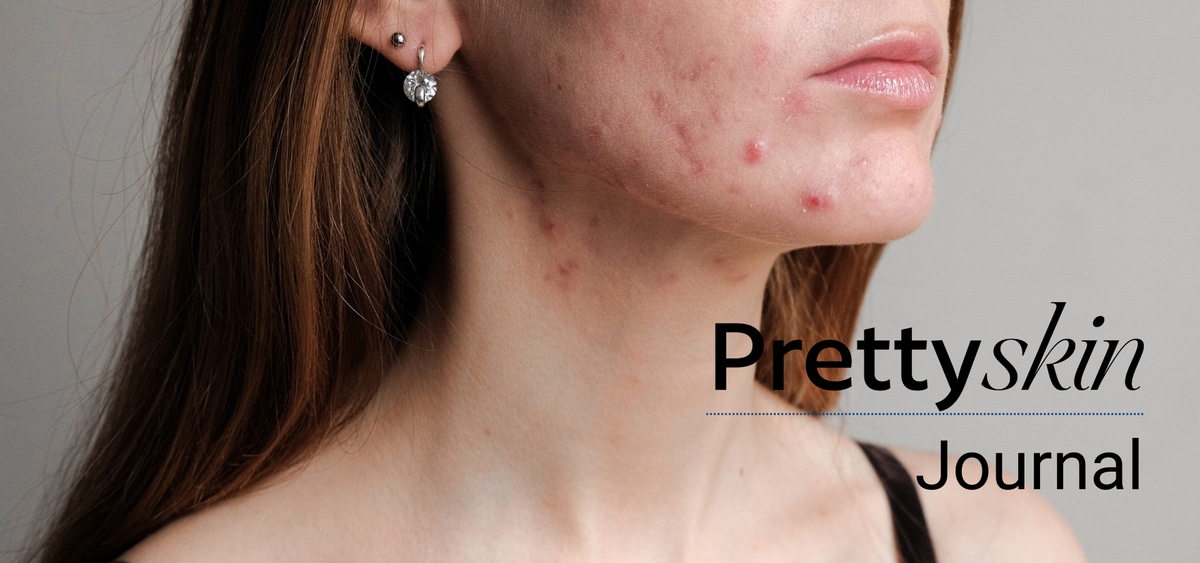
Adult acne is acne that continues past your teenage years or appears for the first time in adulthood. It often shows up as:
• Red, tender pimples and cysts, particularly around the jawline, chin and lower face
• Blackheads and whiteheads
• Clogged pores
• Post-acne marks that linger long after a pimple has healed
Teen acne tends to concentrate in the T-zone, while adult breakouts often sit lower on the face and can be deeper and more inflamed.
Why Does Adult Acne Happen?
In short, adult acne happens when excess oil, dead skin cells and acne-causing bacteria build up in your pores, causing inflammation. Several things can drive that process.
1. Hormonal changes
Hormonal fluctuations are one of the most common triggers. Shifts around your menstrual cycle, pregnancy, stopping or starting hormonal contraception, and conditions such as PCOS can increase oil production and lead to breakouts, often along the jawline and chin.
2. Stress
When you're stressed, your body releases hormones like cortisol, which can ramp up oil production and aggravate inflammation. Many people notice a flare-up during busy or tough periods.
3. The wrong skincare (or too much of it)
Heavy, pore-clogging products can contribute to breakouts. So can over-cleansing and over-exfoliating. Stripping your skin can damage your moisture barrier, which may leave it irritated and even oilier.
4. Diet and lifestyle
The research on diet and acne is still developing, but some people notice links between high-glycaemic foods or dairy and their breakouts. Poor sleep, sweaty workouts without a rinse afterwards, and touching your face can also play a role.
5. Genetics
If your parents had acne into adulthood, you're more likely to as well. It isn't a reflection of how clean you are.
6. Hair and makeup products
Oily hair products, pillowcases that aren't washed often, and makeup that isn't removed properly can all add to clogged pores.
How to Care for Adult Acne-Prone Skin
The goal is simple: clear pores, calm inflammation and protect your skin barrier. Here's a routine to build on.
Step 1: Cleanse thoroughly but gently
If you wear makeup or sunscreen, double cleansing helps remove everything without leaving residue in your pores.
• SKIN1004 Madagascar Centella Light Cleansing Oil ($29): A light first cleanse to melt away SPF, makeup and excess oil.
• Anua Heartleaf Quercetinol Pore Deep Cleansing Foam ($20): A pore-focused second cleanse to leave skin feeling fresh and clean.
Step 2: Unclog pores with a BHA
Salicylic acid (BHA) is oil-soluble, so it can work inside the pore to help clear built-up oil and dead skin cells.
• Cosrx BHA Blackhead Power Liquid ($29): A popular leave-on exfoliant for blackheads and congested pores. Start 2 to 3 times a week and build up as your skin allows.
Step 3: Treat and soothe with targeted serums
• Anua Azelaic Acid 10 Hyaluron Redness Soothing Serum ($35): Azelaic acid is a favourite for blemish-prone, red or sensitive skin, and this serum pairs it with hydrating hyaluronic acid.
• Anua Niacinamide 10% + TXA 4% Serum ($33): Niacinamide is well loved for balancing the look of oil and uneven tone, which makes it a great partner for post-blemish marks.
Step 4: Moisturise (yes, even if you're oily)
Acne-prone skin still needs hydration. Skipping moisturiser can push skin to produce even more oil.
• Cosrx Centella Blemish Cream ($29): A light cream designed with blemish-prone skin in mind.
• Purito SEOUL Oat-In Calming Gel Cream ($27): A soothing gel texture that suits oily, sensitive or reactive skin.
Step 5: Wear sunscreen every morning
Sun exposure can darken post-acne marks and make them last longer. A lightweight sunscreen is essential, especially with Australian UV levels.
• Beauty of Joseon Relief Sun Aqua-Fresh Rice + B5 ($25.95): A fresh, lightweight SPF that's easy to wear daily.
Step 6: Spot treat without picking
Picking can lead to scarring and prolonged marks. A hydrocolloid patch protects the area and helps keep your hands off it.
• Cosrx Acne Pimple Master Patch ($6): 24 patches for blemishes that have come to a head.
Want it all in one place?
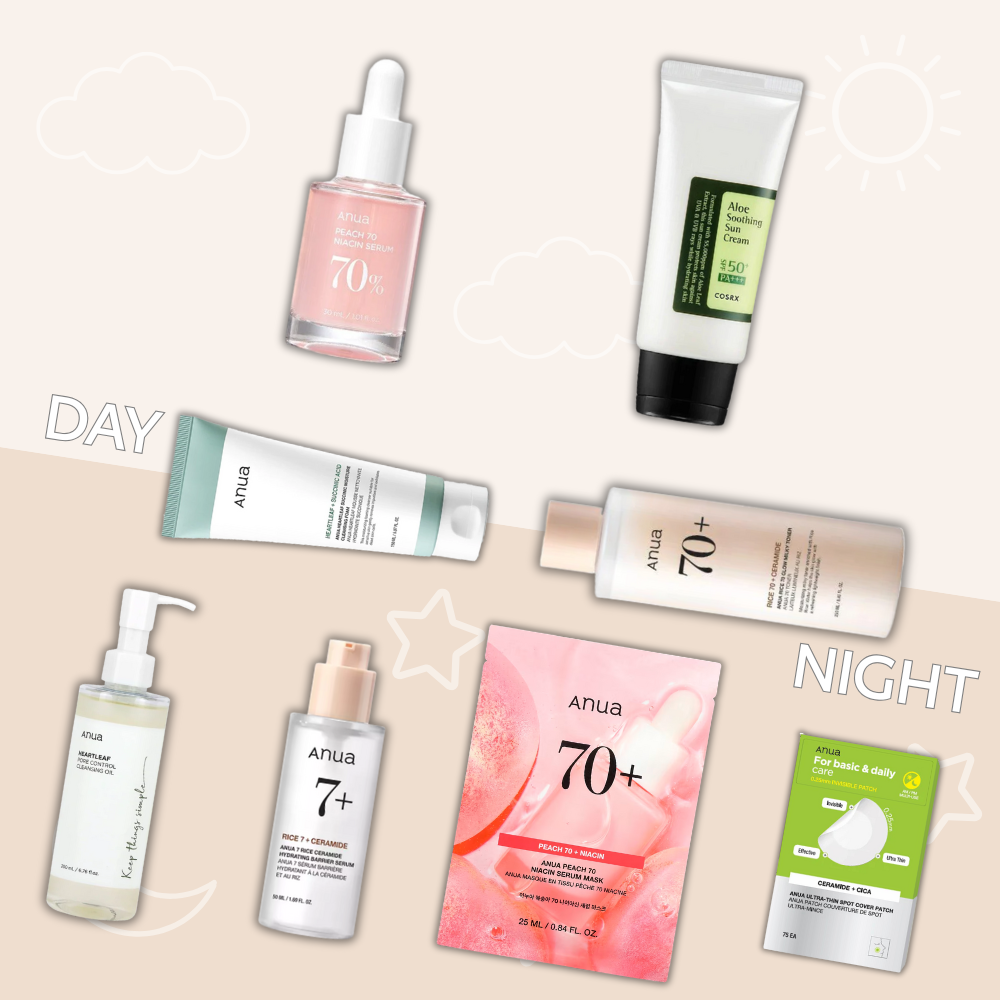
Our Acne-Prone (Day & Night Bundle) brings a complete routine together for $190 (usually $204), so you can start without guessing. Not sure where to begin? Take our Skin Quiz or browse the full Acne Control collection.
Tips for Getting the Best Results
• Introduce one new product at a time. If your skin reacts, you'll know what caused it.
• Patch test first, especially with actives like BHA or azelaic acid.
• Be patient. Skin usually needs 6 to 8 weeks of consistent use before you can fairly judge a routine.
• Don't over-exfoliate. More isn't better. Stinging, tightness or peeling are signs to scale back.
• Wash pillowcases weekly and clean your phone screen regularly.
• Hands off. Picking prolongs healing and raises the risk of marks and scars.
When to See a Doctor or Dermatologist
Skincare can do a lot, but it can't do everything. Please see a GP or dermatologist if your acne is:
• Painful, deep or cystic
• Leaving scars
• Not improving after 2 to 3 months of consistent care
• Affecting your confidence or mental wellbeing
• Appearing alongside irregular periods or other hormonal symptoms
Prescription options exist and can be very effective. If you're pregnant, planning a pregnancy or breastfeeding, check with your doctor before using active ingredients such as salicylic acid.
Adult Acne FAQs
Why am I getting acne as an adult?
Adult acne is most often linked to hormonal changes, stress, genetics and skincare habits. Excess oil, dead skin cells and bacteria clog pores and cause inflammation.
Why do I get acne on my jawline and chin?
Breakouts in this area are commonly associated with hormonal fluctuations, such as those around your menstrual cycle.
Can I use moisturiser if I have acne?
Yes. Hydrated skin has a stronger barrier and can better tolerate acne treatments. Choose a light, gel-style or non-greasy formula.
How long does it take for an acne routine to work?
Most people need around 6 to 8 weeks of consistent use to see meaningful change.
Is salicylic acid good for adult acne?
Salicylic acid (BHA) can help unclog pores and is popular for blackheads and congestion. Introduce it slowly and always wear sunscreen.
Can I use a pimple patch on every pimple?
Patches work best on pimples that have come to a head. They also help stop you from picking.
What's the best K-beauty routine for acne-prone skin?
A gentle double cleanse, a BHA or azelaic acid treatment, a lightweight moisturiser and daily SPF is a solid foundation. Our Acne Control collection has everything you need.
Final Thoughts
Adult acne is common, it's manageable, and it isn't your fault. With a gentle routine, a little patience and the right support, you can help your skin feel calmer, clearer and more comfortable.
Ready to start? Shop our Acne Control collection and enjoy free shipping on orders over $65.
This article is for general information only and isn't medical advice. If you have persistent or severe acne, or a medical condition, please speak with your doctor or dermatologist.