


Type: Travel Sets
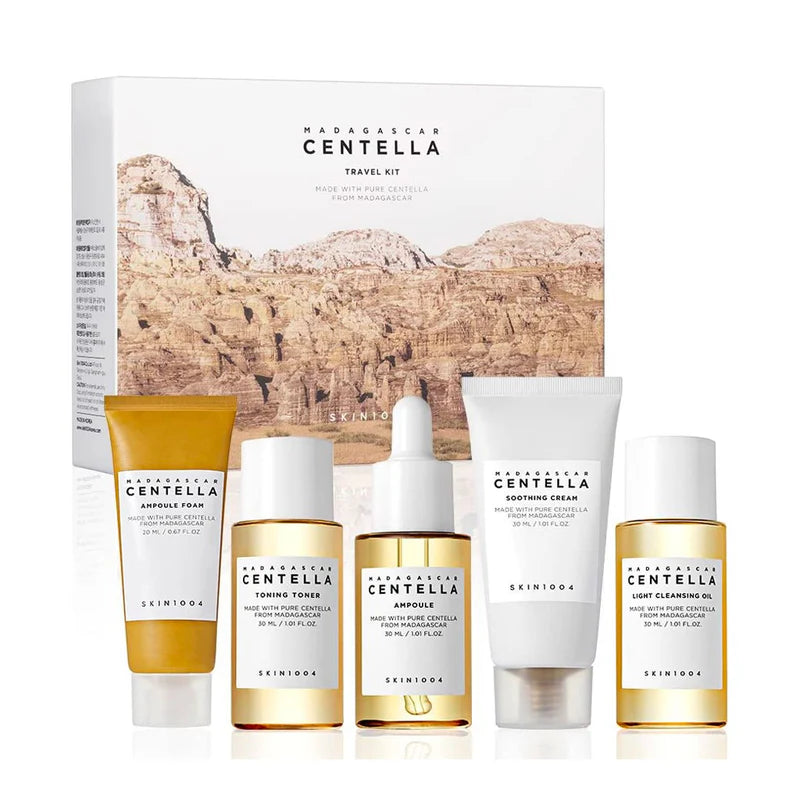
SKIN1004 Madagascar Centella Travel Kit


Type: Travel Sets
SKIN1004 Madagascar Centella Ampoule Kit (Mini Ampoule 4 Types)
Recently viewed products
Our Journals

NAD+ Skin Benefits: The Cellular Energy Molecule Behind the K-Beauty Glow-Up
NAD+ Skin Benefits: The Cellular Energy Molecule Behind the K-Beauty Glow-Up If you've been anywhere near K-beauty TikTok lately, you've probably seen it: NAD+. It's showing up in ampoules, essences, and serums everywhere, and the NAD+ skin benefits it's linked to are quickly making it one of the most talked-about ingredients in anti-aging skincare. But what actually is NAD+, and does it live up to the hype? Let's break it down — and introduce the two hero products bringing it to your routine. What Is NAD+? NAD+ (nicotinamide adenine dinucleotide) is a coenzyme found in every single cell in your body. Think of it as a tiny power source: it helps your cells convert nutrients into usable energy (ATP), while also supporting DNA repair and keeping your cellular machinery running smoothly. Here's the catch — your body's natural NAD+ levels decline as you age, dropping significantly by the time you hit your 40s and 50s. Less NAD+ means your cells have less fuel to repair, regenerate, and defend themselves. That decline shows up in your energy levels, your metabolism, and yes — your skin. How NAD+ Affects the Body Before we get to skin specifically, it's worth understanding why NAD+ has become such a buzzword in longevity and wellness circles generally. Researchers have linked restoring NAD+ levels (through precursors or supplementation) to a number of body-wide effects, including support for: Mitochondrial function — helping cells produce energy more efficiently Muscle function and metabolism — including better glucose handling and insulin sensitivity Cellular repair processes — supporting the body's natural maintenance systems Healthy aging markers more broadly It's worth noting that a lot of this research is still evolving, and the long-term effects of NAD+ supplementation on human lifespan aren't fully settled yet. But the underlying biology — that NAD+ fuels essential repair processes and that we lose it as we age — is well established. What Are the Skin Benefits of NAD+? So how does a cellular energy molecule translate into a skincare ingredient? Here are the core NAD+ skin benefits dermatologists and formulators point to: 1. Powers Skin Cell Energy and Renewal Just like it fuels cells throughout the body, NAD+ helps skin cells generate the energy they need for turnover, repair, and regeneration. More cellular energy generally means a more resilient, better-functioning skin barrier. 2. Supports Collagen Production and Firmness NAD+ activates a family of proteins called sirtuins (notably SIRT1 and SIRT6), which help regulate collagen production and maintain tissue structure. This is a big part of why NAD+ skincare is marketed around firmness and elasticity. 3. Helps Defend Against Environmental and UV Damage Research on skin fibroblasts has shown that NAD+ can help protect skin cells against damage from both UV exposure and everyday cellular stress, supporting the skin's natural defense and repair mechanisms. 4. Boosts Hydration and Radiance By supporting healthier, better-functioning skin cells, NAD+ is associated with improved hydration retention and a more radiant, "lit-from-within" look. 5. Complements — Not Replaces — Your Routine It's important to set realistic expectations: topical NAD+ isn't an overnight miracle. Most experts describe it as a complement to a solid skincare routine (think of it alongside niacinamide, peptides, and SPF) rather than a stand-alone fix. Results build gradually with consistent use. The Key Skin Benefits of NAD+ at a Glance ✨ Firmer, more elastic-feeling skin ✨ Smoother texture and reduced appearance of fine lines ✨ Improved hydration and plumpness ✨ Support for the skin's natural repair and renewal processes ✨ A brighter, more radiant overall complexion ✨ Added resilience against environmental stressors Our NAD+ Hero Products at Pretty Skin Cosmetics Ready to add NAD+ to your routine? Here are the two stars of our NAD+ skincare lineup: 🌟 medicube EGF NAD+ Firming Serum This ampoule pairs NAD+ with EGF (epidermal growth factor) and collagen extract for an intensive firming treatment. It's formulated to target six aging-prone zones — forehead, eye area, smile lines, and neck — with a lightweight, fast-absorbing, watery-elastic texture that never feels sticky. If your main concerns are sagging, loss of volume, and overall tiredness in the skin, this is your go-to. Best for: firmness, lifting, and revitalizing tired or aging skin 👉 Shop the medicube EGF NAD+ Firming Serum 🌟 numbuzin No.9 NAD+ Bio Lifting-sil Essence This fan-favorite NAD+ peptide serum combines NAD+ with a blend of 50 peptides and adenosine in a stretchy, thread-like essence-serum hybrid. It's designed to be used on the face, neck, and body, making it a versatile pick for anyone dealing with sagging skin, fine lines, or uneven elasticity anywhere it shows up. Many users describe visibly firmer, plumper skin with consistent use. Best for: all-over elasticity support, fine lines, and a smoother, lifted look 👉 Shop the numbuzin No.9 NAD+ Bio Lifting-sil Essence How to Add NAD+ Skincare to Your Routine Cleanse and tone as usual Apply your NAD+ serum or ampoule (2–3 drops or pumps) Gently pat into skin until absorbed Follow with moisturizer to lock everything in Don't skip SPF in the morning — protecting your skin barrier helps preserve the benefits you're building Frequently Asked Questions About NAD+ Skin Benefits Is NAD+ good for skin? Yes — NAD+ supports skin cell energy production, collagen regulation via sirtuins, and cellular repair, which together support firmer, more resilient, better-hydrated skin over time. How long does NAD+ take to show results on skin? Most brands and users report visible improvements in texture, firmness, and hydration after several weeks of consistent daily use, rather than overnight. NAD+ works best as part of an ongoing routine. Can I use NAD+ serum with other actives like niacinamide or peptides? Yes. NAD+ pairs well with niacinamide and peptides — in fact, many NAD+ formulas (like the two featured above) are built around these combinations for enhanced firming and barrier support. Is NAD+ skincare suitable for all skin types? Generally yes, as NAD+ itself is well tolerated. As with any new active, patch test first, especially if you have sensitive or reactive skin. What's the difference between NAD+ and NMN in skincare? NMN (nicotinamide mononucleotide) is a precursor your body converts into NAD+. Some newer formulas use NMN instead of, or alongside, NAD+ directly — both are aimed at supporting the same cellular energy and repair pathways. The Takeaway NAD+ is one of the more genuinely interesting ingredients to hit skincare in recent years — it's not just a trend borrowed from wellness culture, it's backed by real biology about how our cells age and repair themselves. While it won't replace the fundamentals of a good skincare routine, adding a NAD+ skincare product can give your skin an extra layer of support for firmness, texture, and radiance over time. Ready to try it for yourself? Shop the medicube EGF NAD+ Firming Serum and numbuzin No.9 NAD+ Bio Lifting-sil Essence now at Pretty Skin Cosmetics. As with any new active ingredient, patch test first and give your skin a few weeks of consistent use to see results.
Learn more
Copper Peptides for Skin: What They Are, Their Benefits, and How to Use Them
If you've spent any time browsing the skincare aisle or scrolling dermatology forums lately, you've probably noticed one ingredient popping up again and again: copper peptides. Once a niche ingredient known mostly to wound-care researchers, copper peptides have become one of the most talked-about actives in modern anti-aging skincare — and for good reason. In this guide, we'll break down what copper peptides actually are, the science behind how they work, their key benefits for your skin, and how to choose a high-quality copper peptide serum — including a closer look at Dr Rejuall Copper Peptide Serum, a product gaining attention for its formulation and results. What Are Copper Peptides? Copper peptides are small fragments of protein bound to a copper ion. The most studied form in skincare is GHK-Cu (glycyl-histidyl-lysine copper), a naturally occurring peptide complex found in human plasma, saliva, and urine that declines in concentration as we age. Originally studied for its role in wound healing during the 1970s, GHK-Cu was later found to stimulate collagen and elastin production, support antioxidant activity, and help regulate skin repair processes — which is why it eventually made its way from clinical research into cosmetic formulations. How Do Copper Peptides Work on Skin? Copper peptides interact with skin at a cellular level in several ways: Signal skin repair mechanisms – GHK-Cu is recognized by skin cells as a signal to begin remodeling and repair, similar to how the body responds to minor injury. Stimulate collagen and elastin synthesis – Copper is a cofactor for enzymes (like lysyl oxidase) involved in building and cross-linking collagen fibers, which support skin firmness. Support antioxidant defense – Copper peptides help activate superoxide dismutase (SOD), an enzyme that neutralizes free radicals linked to premature aging. Encourage healthy cell turnover – By supporting fibroblast activity, copper peptides can help skin renew more efficiently over time. Key Benefits of Copper Peptides for Skin 1. Supports Firmer, More Elastic-Looking Skin By promoting collagen and elastin production, copper peptides may help skin appear more resilient and less prone to sagging over time. 2. Helps Reduce the Look of Fine Lines and Wrinkles Consistent use is associated with a smoother-looking skin texture and softened appearance of fine lines, making it a popular choice in anti-aging routines. 3. Calms and Soothes Stressed Skin Copper peptides have anti-inflammatory properties that may help calm redness and support the skin barrier, making them suitable even for sensitive or post-procedure skin. 4. Antioxidant Protection Their role in activating antioxidant enzymes helps defend skin against environmental stressors like pollution and UV-induced free radical damage. 5. Supports Skin Repair and Barrier Recovery Because of their wound-healing origins, copper peptides are often used to help skin recover after treatments like microneedling, laser resurfacing, or chemical peels. 6. May Improve Skin Tone and Texture Regular use is linked to a more even-looking complexion and smoother skin surface with continued application. Featured Product: Dr Rejuall Copper Peptide Serum Among the growing number of copper peptide products on the market, Dr Rejuall Copper Peptide Serum stands out as a formulation designed to deliver these benefits in a stable, Why it's worth considering: Targeted GHK-Cu formulation – Designed to support visible improvements in firmness, texture, and the appearance of fine lines with consistent use. Repair-focused approach – Positioned for those looking to support skin recovery and resilience, including after in-office treatments (always follow your provider's aftercare guidance). Lightweight, fast-absorbing texture – Formulated to layer easily into a broader skincare routine without feeling heavy or greasy. Antioxidant support – Helps skin defend against everyday environmental stressors alongside its repair benefits. If you're looking to add a copper peptide serum to your routine, Dr Rejuall Copper Peptide Serum is a strong option to research and consider, particularly for those focused on firming and repair-driven skincare goals. (Individual results vary. As with any active skincare ingredient, patch test first and consult a dermatologist if you have specific skin concerns.) How to Use Copper Peptide Serum Cleanse your face and pat dry. Apply a few drops of copper peptide serum to face and neck. Avoid layering directly with vitamin C or strong acids (like AHAs/BHAs) in the same routine — copper can oxidize vitamin C and reduce efficacy of both. Use one in the AM and the other in the PM, or on alternating days. Follow with moisturizer to lock in hydration. Always finish your morning routine with SPF. Use consistently — most people report noticeable changes in skin texture and firmness after 8–12 weeks of regular use. Copper Peptides vs. Retinol vs. Vitamin C Ingredient Best For Pairs Well With Use Caution With Copper Peptides Firming, repair, antioxidant support Hyaluronic acid, niacinamide Vitamin C, direct acids (same application) Retinol Cell turnover, wrinkle reduction Moisturizers, SPF Copper peptides (alternate use) Vitamin C Brightening, antioxidant protection SPF, ferulic acid Copper peptides, retinol (same application) Many skincare routines rotate copper peptides with vitamin C or retinol on alternating days or AM/PM schedules to get the benefits of each without reducing effectiveness. Frequently Asked Questions Are copper peptides safe for sensitive skin? Generally yes — copper peptides are known for being gentle and are often recommended for sensitive or recovering skin. As always, patch test new products first. Can I use copper peptides every day? Yes, most copper peptide serums, including Dr Rejuall Copper Peptide Serum, are formulated for daily use as part of a consistent routine. How long until I see results from copper peptides? Most users notice initial improvements in texture within 4–6 weeks, with more visible firming results around 8–12 weeks of consistent use. Do copper peptides help with acne scars? Their role in supporting skin repair and collagen remodeling makes copper peptides a popular ingredient in scar-support routines, though results vary by scar type and severity. Final Thoughts Copper peptides have earned their place as a science-backed, multitasking ingredient — supporting firmness, repair, and antioxidant protection in one step. Whether you're building an anti-aging routine or supporting skin recovery, a well-formulated copper peptide serum like Dr Rejuall Copper Peptide Serum can be a valuable addition to your skincare lineup. This article is for informational purposes only and does not constitute medical advice. Consult a dermatologist before starting any new skincare regimen, especially if you have underlying skin conditions
Learn more
K-Beauty in Australia 2026: Trendy Korean Skincare for Real Skin Problems
K-Beauty in Australia 2026: Trendy Korean Skincare for Real Skin Problems Korean skincare has moved well past its "10-step routine" reputation. In Australia in 2026, K-beauty is less about novelty and more about function: calming irritated skin, rebuilding a damaged barrier, and handling the specific stress that Australian conditions put on your face — harsh UV, dry inland air, and constant aircon. Whether you're 19 and battling breakouts or 55 and focused on skin firmness, there's a Korean skincare approach built for you. This guide breaks down what's actually trending, why it matters for Australian skin, and how to match it to the skin problem you're dealing with right now — not just what's popular on social media. Why Korean Skincare Keeps Growing in Australia Australia's climate is genuinely tough on skin. Strong year-round UV accelerates pigmentation and premature ageing, while air conditioning indoors and dry heat outdoors strip moisture from the skin barrier. Korean formulations were built around exactly this kind of repair-and-protect philosophy, using lightweight textures that hydrate deeply without feeling heavy in Australian humidity or heat. That's a big part of why K-beauty has settled into everyday routines from Melbourne to Perth, rather than staying a niche interest. The Biggest Korean Skincare Trends for 2026 1. "Bloom Skin" Replaces "Glass Skin" Glass skin — the ultra-glossy, poreless look — is giving way to "bloom skin": even-toned, strengthened and genuinely healthy-looking skin rather than a high-shine finish. The goal is a strong skin barrier first, glow second. For anyone with reactive or damaged skin, this shift is good news, because the routines behind it prioritise repair over intensity. 2. Regenerative Ingredients: PDRN, Exosomes and NMN The ingredient story of 2026 is biotech. PDRN (a repair-focused molecule derived from salmon DNA fragments), exosomes, and NMN are appearing in ampoules and serums aimed at supporting the skin's own renewal process, rather than just sitting on the surface. These are increasingly used for regeneration and long-term skin quality, not just anti-ageing. 3. Derma-Cosmetics and Clinical-Grade Formulas Korean brands are blurring the line between skincare and pharmacy-grade treatment, with clinically tested formulas becoming mainstream rather than premium-only. This "derma-cosmetic" category is particularly relevant if you're managing a persistent issue like acne, rosacea-prone skin, or a compromised barrier from over-exfoliating. 4. Simpler Routines, Smarter Layering The multi-step routine hasn't disappeared, but the emphasis has shifted to consistency over complexity. Cleanse gently, hydrate deeply, treat with purpose, and protect daily — that four-part structure is replacing the idea that more steps automatically means better skin. 5. Oil Cleansing, Refined Double cleansing with an oil-based first step remains a K-beauty staple, but 2026 formulas are more barrier-conscious, designed to remove sunscreen and makeup without stripping the skin — useful for anyone using SPF daily, which in Australia should be everyone. 6. Sustainability as a Baseline Expectation Traceable ingredient sourcing and refillable packaging are becoming standard rather than a selling point, matching a broader shift in what Australian shoppers expect from beauty brands. Quick take: If you only remember one thing from 2026's K-beauty trends, it's this — the routines have gotten simpler, but the ingredients have gotten smarter. Fewer steps, more targeted actives. Matching K-Beauty Trends to Your Skin Problem Trend-chasing only helps if it's solving something. Here's how the current wave of Korean skincare maps onto common concerns across age groups. Skin Concern What's Trending That Helps Who It Tends to Suit Acne & breakouts Azelaic acid serums, niacinamide, gentle oil cleansing Teens to early 30s, oily or combination skin Sensitivity & barrier damage Centella asiatica (cica), fragrance-free formulas, PDRN essences Any age, especially after over-exfoliating or retinoid use Dullness & uneven tone Ginseng essences, niacinamide, vitamin-based brighteners 25–45, sun-exposed or fatigued skin Fine lines & loss of firmness Peptides, PDRN + NMN blends, regenerative ampoules 35–65 Dryness from AC or dry heat Ceramide moisturisers, hydrating essence layering Any age, particularly office workers and inland climates K-Beauty Isn't Just for Women One of the clearer shifts in the Australian market is more men adopting Korean skincare, drawn by its focus on results over gender-branded packaging. Men dealing with post-shave irritation, oiliness, or the same barrier and pigmentation issues as anyone else can follow the identical trend list above — Cica for irritation, niacinamide for oil control and tone, PDRN or peptides once fine lines start showing. The routine logic doesn't change; only the concern being treated does. A Simple 2026-Style Routine to Start With Cleanse: oil-based cleanser first if you wear sunscreen or makeup, followed by a gentle water-based cleanser. Cleansing Oil Foam Wash 2. Treat: one targeted serum or ampoule for your main concern (acne, sensitivity, brightness, or firmness). For redness and post acne marks For dehrydated skin for barrier support and fine wrinkles For Brightening dull skin 3. Hydrate: an essence or lightweight moisturiser with ceramides or PDRN to support the barrier. Dr. Rejuall L-Ceramide Barrier Cream Dr.Althea Barrier Cream 4. Protect: broad-spectrum SPF every morning, non-negotiable given Australia's UV levels. Introduce one new active at a time and give it two to four weeks before judging results — Korean skincare is generally built for consistency rather than overnight change. Frequently Asked Questions Is Korean skincare suitable for Australia's climate? Yes. The lightweight, barrier-focused nature of most K-beauty formulas suits Australia's combination of strong UV, dry air conditioning, and dry inland heat, which all place extra stress on the skin barrier. Is Korean skincare only for women? No. The approach is built around skin condition, not gender, so men managing breakouts, oiliness, sensitivity or early ageing can follow the same trends and ingredients. What is PDRN and why is it trending in 2026? PDRN is a regenerative ingredient derived from salmon DNA fragments, used to support skin repair and hydration. It has moved from in-clinic treatments into everyday serums and ampoules over the past two years. What age group can use K-beauty products? Effectively any age. Younger skin often leans toward oil control and acne-focused products, while skin from the mid-30s onward tends to add peptides, PDRN and richer barrier-repair formulas. Pretty Skin Journal is an independent skincare guide covering Korean beauty trends for Australian readers. This article is for general information and isn't a substitute for advice from a dermatologist about persistent skin conditions.
Learn more