


Type: Essence/Serum
Arencia Vitamin C booster shot


Type: Essence/Serum
Arencia PDRN Booster Shot Serum, Rosy-PDRN & Peptides for Glowy, Healthy Skin, 30ml
Recently viewed products
Our Journals

Adult Acne: Why It Happens and How to Calm Breakouts
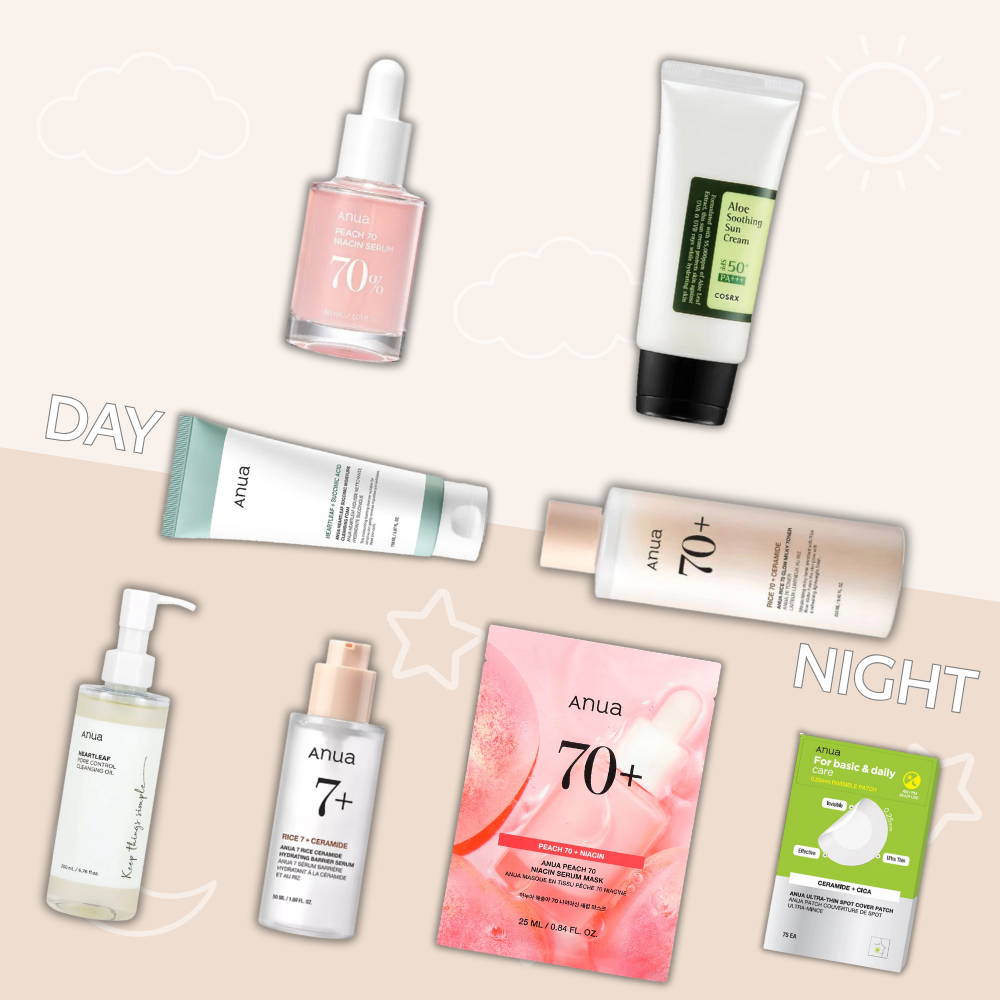
Still breaking out well after your teens? You're far from alone. Adult acne is very common, especially among women in their 20s, 30s and 40s, and it can be frustrating when you thought pimples were something you'd left behind in high school. The good news is that adult acne has understandable causes, and a gentle, consistent routine can make a real difference. Here's what's going on with your skin, and how to support it. What Is Adult Acne? Adult acne is acne that continues past your teenage years or appears for the first time in adulthood. It often shows up as: • Red, tender pimples and cysts, particularly around the jawline, chin and lower face • Blackheads and whiteheads • Clogged pores • Post-acne marks that linger long after a pimple has healed Teen acne tends to concentrate in the T-zone, while adult breakouts often sit lower on the face and can be deeper and more inflamed. Why Does Adult Acne Happen? In short, adult acne happens when excess oil, dead skin cells and acne-causing bacteria build up in your pores, causing inflammation. Several things can drive that process. 1. Hormonal changes Hormonal fluctuations are one of the most common triggers. Shifts around your menstrual cycle, pregnancy, stopping or starting hormonal contraception, and conditions such as PCOS can increase oil production and lead to breakouts, often along the jawline and chin. 2. Stress When you're stressed, your body releases hormones like cortisol, which can ramp up oil production and aggravate inflammation. Many people notice a flare-up during busy or tough periods. 3. The wrong skincare (or too much of it) Heavy, pore-clogging products can contribute to breakouts. So can over-cleansing and over-exfoliating. Stripping your skin can damage your moisture barrier, which may leave it irritated and even oilier. 4. Diet and lifestyle The research on diet and acne is still developing, but some people notice links between high-glycaemic foods or dairy and their breakouts. Poor sleep, sweaty workouts without a rinse afterwards, and touching your face can also play a role. 5. Genetics If your parents had acne into adulthood, you're more likely to as well. It isn't a reflection of how clean you are. 6. Hair and makeup products Oily hair products, pillowcases that aren't washed often, and makeup that isn't removed properly can all add to clogged pores. How to Care for Adult Acne-Prone Skin The goal is simple: clear pores, calm inflammation and protect your skin barrier. Here's a routine to build on. Step 1: Cleanse thoroughly but gently If you wear makeup or sunscreen, double cleansing helps remove everything without leaving residue in your pores. • SKIN1004 Madagascar Centella Light Cleansing Oil ($29): A light first cleanse to melt away SPF, makeup and excess oil. • Anua Heartleaf Quercetinol Pore Deep Cleansing Foam ($20): A pore-focused second cleanse to leave skin feeling fresh and clean. Step 2: Unclog pores with a BHA Salicylic acid (BHA) is oil-soluble, so it can work inside the pore to help clear built-up oil and dead skin cells. • Cosrx BHA Blackhead Power Liquid ($29): A popular leave-on exfoliant for blackheads and congested pores. Start 2 to 3 times a week and build up as your skin allows. Step 3: Treat and soothe with targeted serums • Anua Azelaic Acid 10 Hyaluron Redness Soothing Serum ($35): Azelaic acid is a favourite for blemish-prone, red or sensitive skin, and this serum pairs it with hydrating hyaluronic acid. • Anua Niacinamide 10% + TXA 4% Serum ($33): Niacinamide is well loved for balancing the look of oil and uneven tone, which makes it a great partner for post-blemish marks. Step 4: Moisturise (yes, even if you're oily) Acne-prone skin still needs hydration. Skipping moisturiser can push skin to produce even more oil. • Cosrx Centella Blemish Cream ($29): A light cream designed with blemish-prone skin in mind. • Purito SEOUL Oat-In Calming Gel Cream ($27): A soothing gel texture that suits oily, sensitive or reactive skin. Step 5: Wear sunscreen every morning Sun exposure can darken post-acne marks and make them last longer. A lightweight sunscreen is essential, especially with Australian UV levels. • Beauty of Joseon Relief Sun Aqua-Fresh Rice + B5 ($25.95): A fresh, lightweight SPF that's easy to wear daily. Step 6: Spot treat without picking Picking can lead to scarring and prolonged marks. A hydrocolloid patch protects the area and helps keep your hands off it. • Cosrx Acne Pimple Master Patch ($6): 24 patches for blemishes that have come to a head. Want it all in one place? Our Acne-Prone (Day & Night Bundle) brings a complete routine together for $190 (usually $204), so you can start without guessing. Not sure where to begin? Take our Skin Quiz or browse the full Acne Control collection. Tips for Getting the Best Results • Introduce one new product at a time. If your skin reacts, you'll know what caused it. • Patch test first, especially with actives like BHA or azelaic acid. • Be patient. Skin usually needs 6 to 8 weeks of consistent use before you can fairly judge a routine. • Don't over-exfoliate. More isn't better. Stinging, tightness or peeling are signs to scale back. • Wash pillowcases weekly and clean your phone screen regularly. • Hands off. Picking prolongs healing and raises the risk of marks and scars. When to See a Doctor or Dermatologist Skincare can do a lot, but it can't do everything. Please see a GP or dermatologist if your acne is: • Painful, deep or cystic • Leaving scars • Not improving after 2 to 3 months of consistent care • Affecting your confidence or mental wellbeing • Appearing alongside irregular periods or other hormonal symptoms Prescription options exist and can be very effective. If you're pregnant, planning a pregnancy or breastfeeding, check with your doctor before using active ingredients such as salicylic acid. Adult Acne FAQs Why am I getting acne as an adult? Adult acne is most often linked to hormonal changes, stress, genetics and skincare habits. Excess oil, dead skin cells and bacteria clog pores and cause inflammation. Why do I get acne on my jawline and chin? Breakouts in this area are commonly associated with hormonal fluctuations, such as those around your menstrual cycle. Can I use moisturiser if I have acne? Yes. Hydrated skin has a stronger barrier and can better tolerate acne treatments. Choose a light, gel-style or non-greasy formula. How long does it take for an acne routine to work? Most people need around 6 to 8 weeks of consistent use to see meaningful change. Is salicylic acid good for adult acne? Salicylic acid (BHA) can help unclog pores and is popular for blackheads and congestion. Introduce it slowly and always wear sunscreen. Can I use a pimple patch on every pimple? Patches work best on pimples that have come to a head. They also help stop you from picking. What's the best K-beauty routine for acne-prone skin? A gentle double cleanse, a BHA or azelaic acid treatment, a lightweight moisturiser and daily SPF is a solid foundation. Our Acne Control collection has everything you need. Final Thoughts Adult acne is common, it's manageable, and it isn't your fault. With a gentle routine, a little patience and the right support, you can help your skin feel calmer, clearer and more comfortable. Ready to start? Shop our Acne Control collection and enjoy free shipping on orders over $65. This article is for general information only and isn't medical advice. If you have persistent or severe acne, or a medical condition, please speak with your doctor or dermatologist.
Learn more
Dry Brushing Benefits: What It Does for Your Skin and Health (Plus a Step-by-Step Guide)
Have you ever seen a wooden brush on a friend's bathroom shelf and wondered what it's for? That's probably a dry brush, and it's one of the simplest, most affordable additions to a body care routine. Here's everything you need to know: what dry brushing is, what it does for your skin and health, and exactly how to do it at home. What Is Dry Brushing? Dry brushing (also called dry body brushing) is a self-care technique where you use a firm, natural-bristle brush on dry skin, usually before a shower, with long, gentle strokes toward your heart. The practice has roots in traditional wellness routines around the world, including Ayurvedic garshana massage, and it's become popular again as part of modern skincare and body care routines. What Does Dry Brushing Do to Your Skin? When you brush dry skin, the bristles do a few helpful things: • Exfoliate the surface. The bristles lift away dead skin cells, which can leave your skin looking brighter and feeling smoother. • Help products absorb. With dead skin cells out of the way, your body oil or moisturiser can spread more evenly and sink in better. • Stimulate the skin. The brushing action increases circulation at the surface, which is why your skin may look slightly pink and feel warm afterwards. • Soften rough patches. Regular, gentle brushing may help with dry, flaky areas and the rough bumps some people get on their arms and thighs. Dry Brushing Benefits for Your Skin and Health 1. Smoother, softer-feeling skin This is the most reliable benefit. Physical exfoliation removes buildup, so skin often feels noticeably silkier after just a few sessions. 2. A natural glow By clearing away dull, dead skin cells, dry brushing can leave your skin looking more radiant and even-toned. 3. A boost in circulation The brushing motion stimulates blood flow to the skin's surface, which is why many people describe it as invigorating. 4. Support for ingrown hairs Gentle exfoliation can help prevent dead skin from trapping hairs, so it's a nice companion to shaving or waxing (just not right after). 5. A relaxing self-care ritual Taking five minutes before your shower to slow down is good for your mood too. Many people find it a calming, energising start to the day. What about lymphatic drainage, detox and cellulite? You'll often see dry brushing linked to "detoxing," lymphatic drainage and reducing cellulite. Here's the honest picture: your liver and kidneys do the detoxing, and there isn't strong scientific evidence that dry brushing removes toxins or permanently erases cellulite. Some people feel it gives a temporary smoothing effect, but it's best treated as a skin-feel and self-care benefit rather than a medical treatment. Who Should Be Careful With Dry Brushing? Dry brushing is gentle when done correctly, but skip it or check with your doctor or dermatologist first if you have: • Eczema, psoriasis, rosacea or very sensitive skin • Sunburn, cuts, rashes, open wounds or active breakouts on the area • Skin conditions such as infections or recent surgery sites • Varicose veins (avoid brushing directly over them) Also avoid brushing over moles, and never brush on irritated skin. How to Dry Brush: Step-by-Step Guide What you'll need: A dry body brush with natural bristles (soft to medium for beginners), plus a moisturiser or body oil for afterwards. Step 1: Start with dry skin. Brush before your shower, when your skin is completely dry. Wet skin is more delicate and the brush won't glide as well. Step 2: Begin at your feet. Start with the soles and tops of your feet, then move up your legs. Use long, smooth strokes upward, toward your heart. Step 3: Work up your legs and hips. Brush your calves, thighs and buttocks in long sweeping strokes. Use small circles around your knees and ankles. Step 4: Move to your arms. Start at your hands and brush up your arms toward your shoulders, again heading toward your heart. Step 5: Brush your stomach and chest gently. Use lighter pressure on these more sensitive areas. Brush your stomach in a soft clockwise circle, and be extra gentle across your chest. Avoid nipples and any sensitive skin. Step 6: Brush your back. If you have a long-handled brush, brush upward from your lower back toward your shoulders. Step 7: Shower and moisturise. Hop in the shower to rinse away the loosened skin cells. Afterwards, pat dry and apply your favourite body lotion or oil while your skin is still slightly damp. Pro tips • The whole routine takes about 3 to 5 minutes. • Use light to medium pressure. Your skin should look slightly pink, never red or sore. • Keep it to 2 to 3 times a week to start. Daily brushing can be too much for many skin types. • Don't brush your face with a body brush. Use a softer brush made for facial skin. How to Care for Your Dry Brush • Wash your brush with mild soap and warm water every 1 to 2 weeks. • Let it air dry completely, bristles down, away from steamy bathrooms. • Replace it every 6 to 12 months, or sooner if the bristles are frayed. Dry Brushing FAQs Does dry brushing really work? It works as a gentle physical exfoliation method that can leave skin smoother and more radiant. It isn't proven to detox the body or remove cellulite. How often should you dry brush? Most people do well with 2 to 3 times a week. If your skin feels sensitive, scale back. Should you dry brush before or after a shower? Before. Brush dry skin first, then shower to rinse off, then moisturise. What time of day is best for dry brushing? Morning is popular because many people find it energising, but anytime before a shower works. Can you dry brush if you have sensitive skin? Choose a soft-bristle brush, use very light pressure and patch test first. If you have a skin condition, check with a dermatologist. What's the best dry brush for beginners? Look for a natural-bristle brush with soft to medium bristles and a comfortable handle or strap. Final Thoughts Dry brushing is a simple, budget-friendly way to treat your skin to some extra care. Done gently and consistently, it can help you enjoy smoother, glowing, softer-feeling skin, and it turns your shower prep into a little moment of calm. Pair it with a nourishing moisturiser and a few good body care staples, and your skin will thank you. This article is for general information only and isn't medical advice. If you have a skin condition or health concern, please speak with your doctor or dermatologist.
Learn more
NAD+ Skin Benefits: The Cellular Energy Molecule Behind the K-Beauty Glow-Up
NAD+ Skin Benefits: The Cellular Energy Molecule Behind the K-Beauty Glow-Up If you've been anywhere near K-beauty TikTok lately, you've probably seen it: NAD+. It's showing up in ampoules, essences, and serums everywhere, and the NAD+ skin benefits it's linked to are quickly making it one of the most talked-about ingredients in anti-aging skincare. But what actually is NAD+, and does it live up to the hype? Let's break it down — and introduce the two hero products bringing it to your routine. What Is NAD+? NAD+ (nicotinamide adenine dinucleotide) is a coenzyme found in every single cell in your body. Think of it as a tiny power source: it helps your cells convert nutrients into usable energy (ATP), while also supporting DNA repair and keeping your cellular machinery running smoothly. Here's the catch — your body's natural NAD+ levels decline as you age, dropping significantly by the time you hit your 40s and 50s. Less NAD+ means your cells have less fuel to repair, regenerate, and defend themselves. That decline shows up in your energy levels, your metabolism, and yes — your skin. How NAD+ Affects the Body Before we get to skin specifically, it's worth understanding why NAD+ has become such a buzzword in longevity and wellness circles generally. Researchers have linked restoring NAD+ levels (through precursors or supplementation) to a number of body-wide effects, including support for: Mitochondrial function — helping cells produce energy more efficiently Muscle function and metabolism — including better glucose handling and insulin sensitivity Cellular repair processes — supporting the body's natural maintenance systems Healthy aging markers more broadly It's worth noting that a lot of this research is still evolving, and the long-term effects of NAD+ supplementation on human lifespan aren't fully settled yet. But the underlying biology — that NAD+ fuels essential repair processes and that we lose it as we age — is well established. What Are the Skin Benefits of NAD+? So how does a cellular energy molecule translate into a skincare ingredient? Here are the core NAD+ skin benefits dermatologists and formulators point to: 1. Powers Skin Cell Energy and Renewal Just like it fuels cells throughout the body, NAD+ helps skin cells generate the energy they need for turnover, repair, and regeneration. More cellular energy generally means a more resilient, better-functioning skin barrier. 2. Supports Collagen Production and Firmness NAD+ activates a family of proteins called sirtuins (notably SIRT1 and SIRT6), which help regulate collagen production and maintain tissue structure. This is a big part of why NAD+ skincare is marketed around firmness and elasticity. 3. Helps Defend Against Environmental and UV Damage Research on skin fibroblasts has shown that NAD+ can help protect skin cells against damage from both UV exposure and everyday cellular stress, supporting the skin's natural defense and repair mechanisms. 4. Boosts Hydration and Radiance By supporting healthier, better-functioning skin cells, NAD+ is associated with improved hydration retention and a more radiant, "lit-from-within" look. 5. Complements — Not Replaces — Your Routine It's important to set realistic expectations: topical NAD+ isn't an overnight miracle. Most experts describe it as a complement to a solid skincare routine (think of it alongside niacinamide, peptides, and SPF) rather than a stand-alone fix. Results build gradually with consistent use. The Key Skin Benefits of NAD+ at a Glance ✨ Firmer, more elastic-feeling skin ✨ Smoother texture and reduced appearance of fine lines ✨ Improved hydration and plumpness ✨ Support for the skin's natural repair and renewal processes ✨ A brighter, more radiant overall complexion ✨ Added resilience against environmental stressors Our NAD+ Hero Products at Pretty Skin Cosmetics Ready to add NAD+ to your routine? Here are the two stars of our NAD+ skincare lineup: 🌟 medicube EGF NAD+ Firming Serum This ampoule pairs NAD+ with EGF (epidermal growth factor) and collagen extract for an intensive firming treatment. It's formulated to target six aging-prone zones — forehead, eye area, smile lines, and neck — with a lightweight, fast-absorbing, watery-elastic texture that never feels sticky. If your main concerns are sagging, loss of volume, and overall tiredness in the skin, this is your go-to. Best for: firmness, lifting, and revitalizing tired or aging skin 👉 Shop the medicube EGF NAD+ Firming Serum 🌟 numbuzin No.9 NAD+ Bio Lifting-sil Essence This fan-favorite NAD+ peptide serum combines NAD+ with a blend of 50 peptides and adenosine in a stretchy, thread-like essence-serum hybrid. It's designed to be used on the face, neck, and body, making it a versatile pick for anyone dealing with sagging skin, fine lines, or uneven elasticity anywhere it shows up. Many users describe visibly firmer, plumper skin with consistent use. Best for: all-over elasticity support, fine lines, and a smoother, lifted look 👉 Shop the numbuzin No.9 NAD+ Bio Lifting-sil Essence How to Add NAD+ Skincare to Your Routine Cleanse and tone as usual Apply your NAD+ serum or ampoule (2–3 drops or pumps) Gently pat into skin until absorbed Follow with moisturizer to lock everything in Don't skip SPF in the morning — protecting your skin barrier helps preserve the benefits you're building Frequently Asked Questions About NAD+ Skin Benefits Is NAD+ good for skin? Yes — NAD+ supports skin cell energy production, collagen regulation via sirtuins, and cellular repair, which together support firmer, more resilient, better-hydrated skin over time. How long does NAD+ take to show results on skin? Most brands and users report visible improvements in texture, firmness, and hydration after several weeks of consistent daily use, rather than overnight. NAD+ works best as part of an ongoing routine. Can I use NAD+ serum with other actives like niacinamide or peptides? Yes. NAD+ pairs well with niacinamide and peptides — in fact, many NAD+ formulas (like the two featured above) are built around these combinations for enhanced firming and barrier support. Is NAD+ skincare suitable for all skin types? Generally yes, as NAD+ itself is well tolerated. As with any new active, patch test first, especially if you have sensitive or reactive skin. What's the difference between NAD+ and NMN in skincare? NMN (nicotinamide mononucleotide) is a precursor your body converts into NAD+. Some newer formulas use NMN instead of, or alongside, NAD+ directly — both are aimed at supporting the same cellular energy and repair pathways. The Takeaway NAD+ is one of the more genuinely interesting ingredients to hit skincare in recent years — it's not just a trend borrowed from wellness culture, it's backed by real biology about how our cells age and repair themselves. While it won't replace the fundamentals of a good skincare routine, adding a NAD+ skincare product can give your skin an extra layer of support for firmness, texture, and radiance over time. Ready to try it for yourself? Shop the medicube EGF NAD+ Firming Serum and numbuzin No.9 NAD+ Bio Lifting-sil Essence now at Pretty Skin Cosmetics. As with any new active ingredient, patch test first and give your skin a few weeks of consistent use to see results.
Learn more