
Open a Korean woman's skincare shelf and you will almost always find one product sitting between the cleanser and the serum that Western routines skip entirely. It might be called a lotion, a softener, a first essence, or a prep step. Whatever the label, its function is the same: it sets the skin's condition before anything else is applied. That step is what many people are missing.
What a Skin-Balancing Lotion Actually Is
In Western skincare, a lotion usually means a moisturiser. In Korean skincare, the word lotion refers to a lightweight fluid - thinner than a serum in many cases - that is applied early in the routine to hydrate, balance pH, and prepare the skin's surface for absorption.
A skin-balancing lotion specifically targets the skin's equilibrium. After cleansing, even with a gentle low-pH cleanser, the skin's pH shifts slightly. Active sebum, dead cells, and surface bacteria need to be brought back into a stable state. That is what this product category does. It is a reset step.
The pH Logic Behind the Product
Healthy skin sits at a pH of roughly 4.5 to 5.5. This acidity supports the acid mantle - the protective film on the skin's surface that keeps bacteria, irritants, and moisture loss in check. Cleansing disrupts this balance temporarily. Applying serums and actives to skin that has not yet rebalanced means those products are working in a slightly compromised environment.
A good skin-balancing lotion brings the pH back to an optimal level within minutes. This is not just theoretical - products applied to properly pH-balanced skin absorb more efficiently and cause fewer reactions. The skin-balancing lotion is essentially making everything else work better.
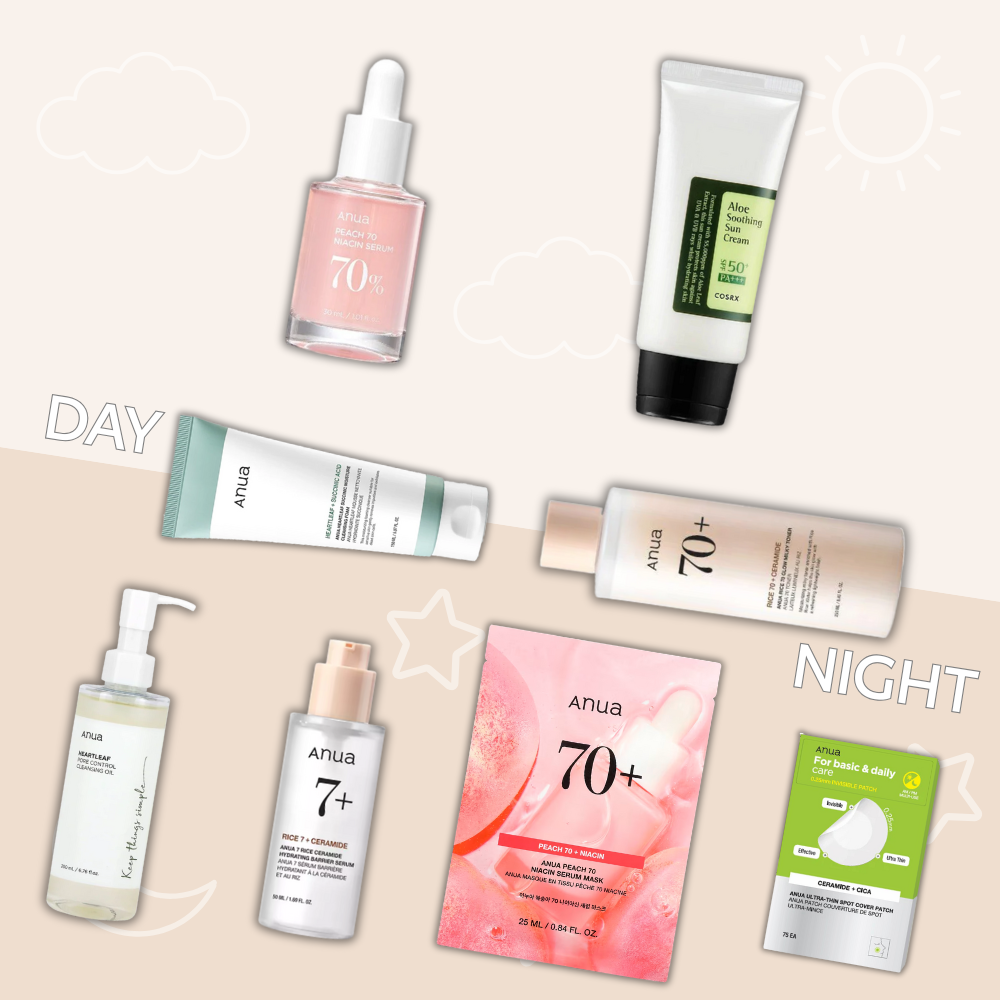
BEST SELLING TONER/LOTIONS


Why Korean Routines Prioritise This Step
Korean skincare culture is built on the concept of skin health as daily maintenance. The goal is not to fix problems with a single powerful product but to keep conditions consistently good so problems rarely form. A balancing step supports this philosophy because it prevents the micro-disruptions that accumulate into visible skin issues over time.
Korean dermatologists frequently note that skin sensitivity and reactivity are often traced back to compromised surface conditions rather than ingredient sensitivities. By keeping the surface balanced consistently, the skin stays in a state where it can tolerate, absorb, and benefit from other products.
Key Ingredients in Effective Lotions
- Witch hazel or green tea extract - natural astringents that tighten pores and calm oiliness without drying
- Niacinamide - regulates sebum production and reinforces the barrier while evening out tone
- Centella asiatica - anti-inflammatory support that calms reactive skin after cleansing
- Glycerin and hyaluronic acid - lightweight humectants to restore surface hydration immediately
- Fermented extracts - improve absorption of subsequent layers and support microbiome balance
Who Benefits Most From This Product
People with combination skin - oily in the T-zone but dry on the cheeks - get one of the clearest benefits. An effective lotion helps reduce oil in congested areas without pulling moisture from drier zones. It is one of the few skincare steps that genuinely addresses both issues in one application.
Those with sensitive or reactive skin also benefit significantly. The stabilising effect on pH and surface condition means their more active products - acids, retinol, brightening serums - are introduced to skin that is calm and prepared rather than slightly stressed from cleansing.
How to Use It Correctly in a Routine
Timing and Application
Apply after cleansing and before any serums or essences. The skin should still be slightly damp from rinsing. Pat the lotion gently onto the face rather than wiping or swiping - this minimises friction on freshly cleaned skin and encourages even absorption. Wait 30 to 60 seconds before applying the next layer.
Morning vs Evening Use
Morning use focuses on preparation - getting the skin ready to absorb SPF and any antioxidant serums effectively. Evening use focuses on recovery - resetting the skin after daily exposure to pollution, UV, and stress before applying repair-focused products like retinol or ceramides. Both serve different but equally valid purposes.
Popular Korean Approaches to Skin Balancing
Some Korean routines use a toner and a lotion as two separate early steps. The toner removes the last traces of impurities and adds the first layer of hydration. The balancing lotion follows to anchor the skin's condition before serums. Others combine both functions in a single balancing toner-lotion hybrid.
The 7-skin method - a well-known Korean technique of patting a lightweight toner or lotion onto the skin in seven thin layers - grew out of this balancing philosophy. The idea is that each thin layer absorbs fully before the next is added, building deep hydration gradually rather than in one heavy application.
What Happens When You Skip This Step
Skin that goes from cleanser directly to serum without a balancing step often shows patchy absorption. Some areas take up the serum well, others do not. Active ingredients can cause irritation on spots where the pH is still off. Over time, this inconsistency contributes to uneven results and skin that seems unpredictable. You should invest in good products available at Pretty Skin Cosmetics and start taking care of your skin now.
Skipping the balance step also means the serums that follow need to do extra work compensating for surface inconsistencies. Products last shorter, results are less reliable, and the routine feels less effective than the ingredient quality should deliver.
FAQ
Q1: Is a balancing skin lotion the same as a toner?
Ans: Not exactly. Toners vary widely in function - some are astringent, some are purely hydrating. A skin-balancing lotion is more specific in purpose: it targets pH correction and skin condition stability. Some toners perform this function, but not all toners are balancing lotions.
Q2: Can I use a balancing lotion if I have dry skin?
Ans: Yes. Many balancing lotions are formulated with hydrating humectants that suit dry skin well. The key is to choose one without alcohol or strong astringents. Look for centella, glycerin, or fermented ingredient-based formulas if your skin tends toward dryness.
Q3: How is a Korean skin-balancing lotion different from a Western face lotion?
Ans: A Western face lotion is a moisturiser - it is the final step in a routine. A Korean skin-balancing lotion is a preparatory step applied early in the routine. The consistency is much thinner and the function is completely different - it is about creating optimal surface conditions, not about sealing in moisture.