
Dull skin is one of the most common complaints people bring to skincare conversations. It is not the same as dry skin or oily skin. Dullness is a specific problem where the surface of your skin stops reflecting light the way healthy skin does. It looks flat, grey, or uneven, and it tends to make everything else about your complexion look worse.
The good news is that dullness is one of the more responsive skin concerns when you target it correctly. Brightening essences and serums are designed specifically for this, and with the right formulas and consistent use, the change can be visible within a matter of weeks.
Why Skin Becomes Dull in the First Place
Skin becomes dull for several interconnected reasons. Dead skin cells accumulate on the surface faster than they are naturally shed, creating an uneven texture that scatters light. Dehydration reduces the skin's volume and plumpness, making the surface appear flat. Melanin clusters from old sun damage or post-acne marks create uneven patches that break up the skin's natural clarity.
Pollution, stress, poor sleep, and an inconsistent routine all accelerate this process. The result is skin that looks tired even when you are not.
What Brightening Essences Do
An essence sits between a toner and a serum in a skincare routine. It is lighter than a serum but more concentrated than a standard toner. Brightening essences deliver a first layer of active ingredients directly after cleansing, when the skin is at its most receptive.
For dull skin, the most effective essences contain galactomyces ferment filtrate, niacinamide, or rice bran extract. These ingredients improve cell turnover, even out pigmentation, and add a layer of hydration that makes the skin look more awake and reflective. Glowing skin products at this stage of the routine create the base that everything applied afterwards builds on.
BEST BRIGHTENING ESSENCES


What Brightening Serums Do
Serums are more concentrated than essences and target concerns at a deeper level. A brightening serum applied after an essence works on the specific mechanisms driving your dullness, whether that is pigmentation, slow cell turnover, or dehydration at a deeper layer.
The most effective brightening serums combine multiple actives that complement each other. Vitamin C provides antioxidant protection and inhibits melanin production. Niacinamide interrupts the transfer of pigment to the skin's surface. Alpha-arbutin targets dark spots without the irritation that stronger acids can cause.
How Essences and Serums Work Together
Using an essence and a serum together is not doubling up unnecessarily. They work at different speeds and depths. The essence provides rapid, surface-level brightening and hydration that you can feel immediately. The serum drives longer-term change by working deeper into the skin tissue.
Together, they create a compounding effect. The essence prepares and hydrates the skin so the serum can penetrate more effectively. The serum delivers the actives that produce visible change over weeks. This is why the combination consistently outperforms using either one alone.
Building a Brightening Routine That Works
Step 1 - Start With the Right Cleanser
Brightening starts with clean skin. A low-pH gel cleanser removes dead cell buildup and pollution without stripping the moisture that your subsequent products need to work with. Avoid high-foaming cleansers that leave skin feeling tight.
Step 2 - Layer Your Essence
Apply your brightening essence to slightly damp skin immediately after cleansing. Press it gently into the skin with your hands rather than rubbing it in. This application technique improves absorption and triggers a warming response that helps the skin accept the active ingredients.
Step 3 - Apply Your Brightening Serum
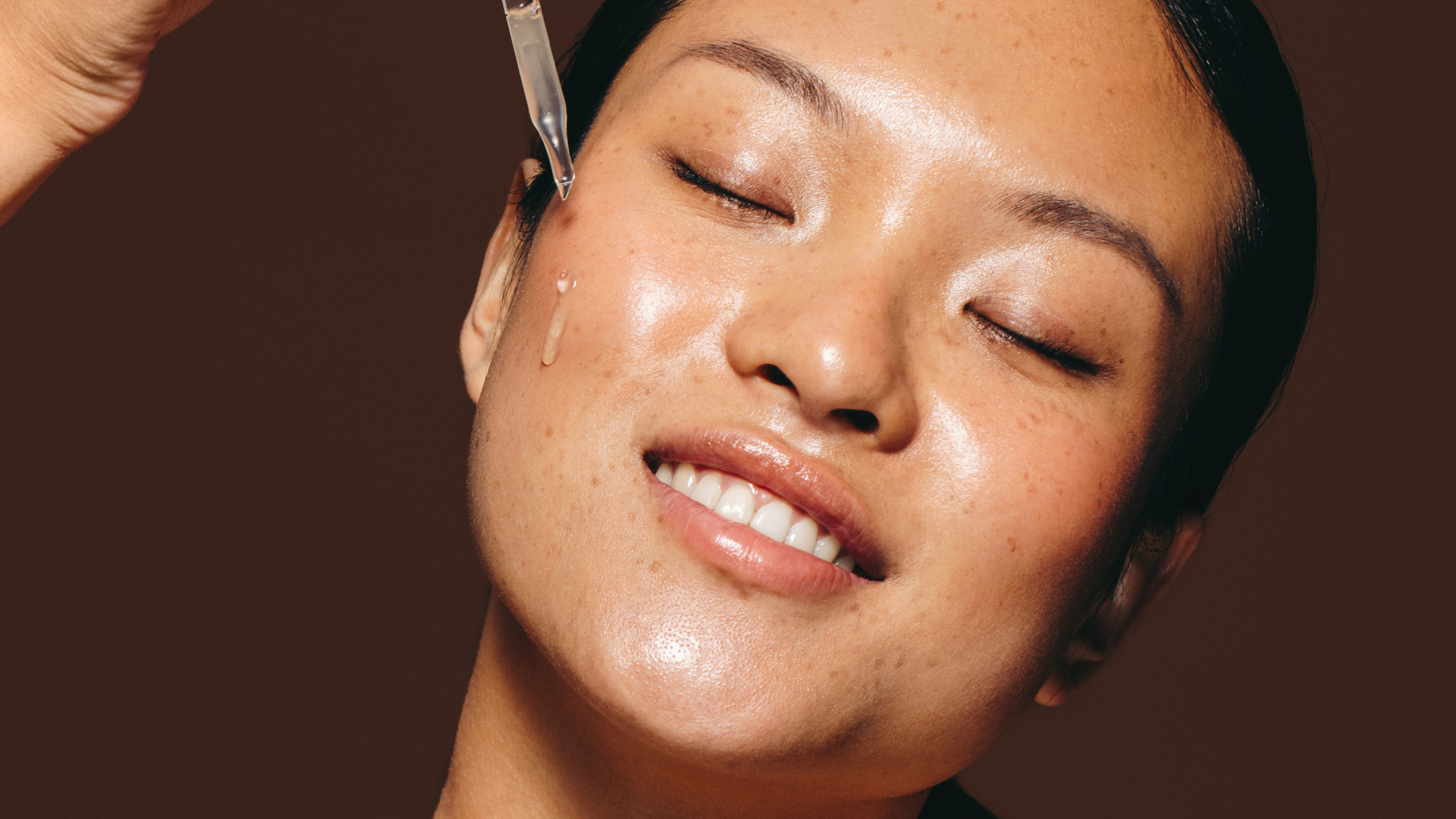
Wait 30 to 60 seconds after your essence before applying your serum. Use three to four drops and warm them between your fingers before pressing them into the skin. Focus on areas with uneven tone, dark marks, or visible dullness.
Step 4 - Lock in With Hydrating Skincare
Hydrating skincare at this stage is essential. Brightening actives like vitamin C and niacinamide work best in a well-hydrated environment. A moisturiser with ceramides and hyaluronic acid seals in the previous layers and keeps the skin barrier intact so the actives can do their work without causing sensitivity.
Step 5 - SPF Every Morning Without Exception
Every brightening ingredient in your routine is working to reduce pigmentation. UV exposure reverses that work in real time. SPF 30 at minimum, applied as the final morning step, is not optional when you are using a brightening routine. It is what makes the routine actually work.
Results You Can Expect Week by Week
- Week 1 - skin feels more hydrated and looks less flat
- Week 2 - surface texture begins to smooth as cell turnover improves
- Week 3 to 4 - overall radiance visibly increases, skin looks more awake
- Week 5 to 6 - dark marks and uneven patches begin to fade noticeably
- Week 8 and beyond - skin tone is significantly more even and reflective
Which Skin Types Respond Best
Dull skin responds to brightening routines across all skin types, but the formula choices should match your skin's characteristics. Oily skin does best with lightweight Hydrating essence and vitamin C serums that do not add heaviness. Dry skin benefits from essences with added humectants and richer serums with hyaluronic acid built in. Sensitive skin responds well to galactomyces-based formulas and niacinamide rather than higher concentrations of vitamin C.
What Slows Results Down
- Inconsistent application - skipping days resets the progress the formula is building
- No SPF in the morning - UV exposure drives new pigmentation faster than serums can fade it
- Using too many activities at once - adding multiple new products simultaneously causes irritation that stalls progress
- Expecting overnight results - brightening is a gradual process that requires at least four weeks of daily use
FAQ
Q: Can I use a brightening essence and serum if I have acne-prone skin?
Ans: Yes. Look for formulas with niacinamide as the primary brightening active. It is anti-inflammatory, helps regulate sebum, and fades post-acne marks without triggering breakouts.
Q: Is vitamin C safe to use every day?
Ans: Yes, when the concentration is appropriate for your skin type. Start with ten percent concentration and build up gradually. Use it in the morning and pair it with SPF, since UV exposure degrades vitamin C rapidly.
Q: Why does my skin still look dull after using brightening products for weeks?
Ans: The most common reason is SPF skipping, which allows new pigmentation to form faster than the serum can fade existing marks. The second most common reason is dehydration. Brightening actives work poorly on skin that lacks sufficient moisture. Add a hydrating essence or toner to your routine and ensure your moisturiser contains ceramides.