


Type: Pimple Patches
Cosrx Acne Pimple Master Patch


Type: Pimple Patches
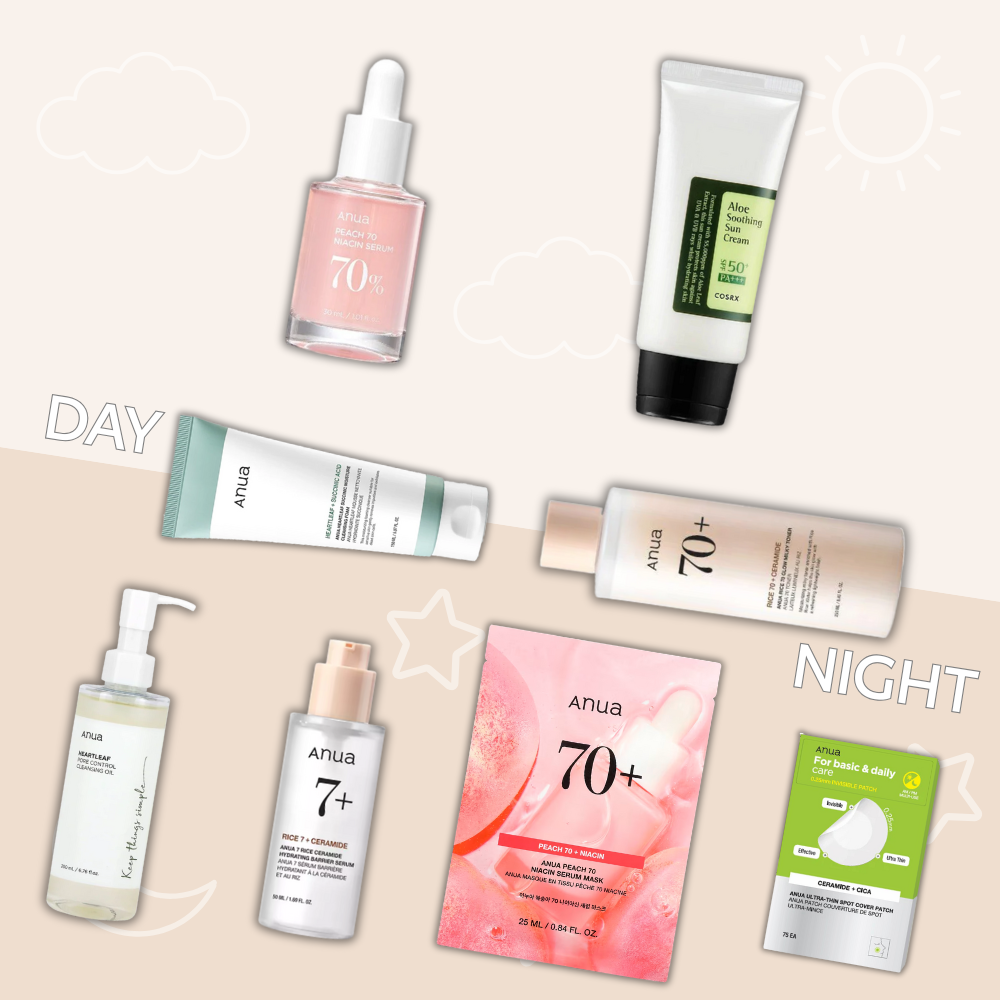
Anua Ultra Thin Spot Cover Patch


Type: Pimple Patches
Cosrx AC Collection Acne Patch


Type: Pimple Patches
Cosrx Master Patch Basic


Type: Pimple Patches
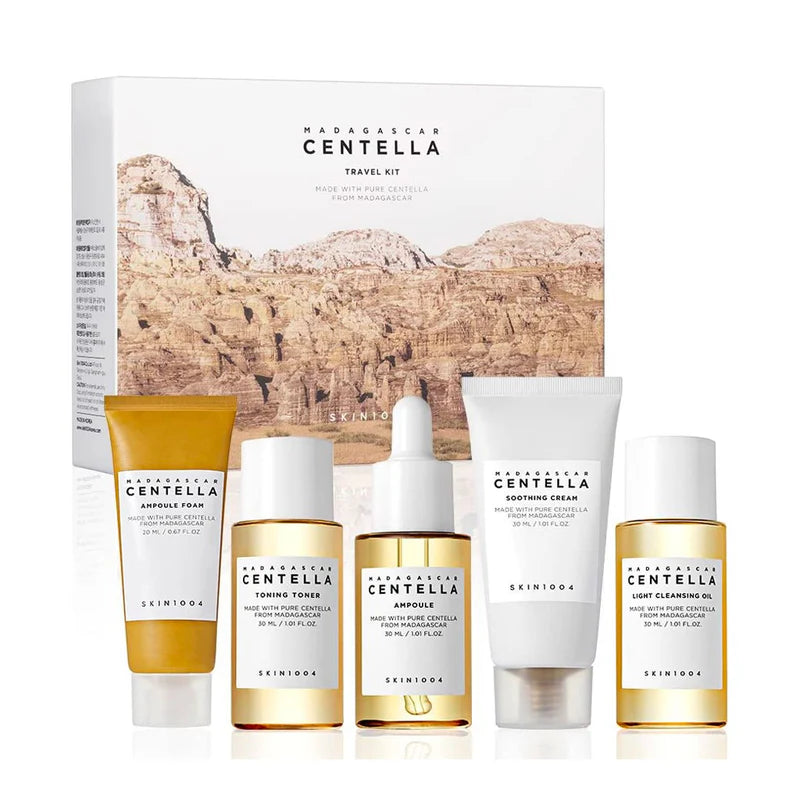
SKIN1004 Spot Cover Patch
Recently viewed products
Our Journals

Niacinamide vs Vitamin C: Which One Is Right for Your Skin?
78% of Australians report uneven skin tone as their top skincare concern. Yet most people do not know which active ingredient actually fixes it. Niacinamide and Vitamin C are both powerful. But they work differently. Choosing the wrong one wastes time and money. This guide breaks it all down clearly. What Is Niacinamide? Niacinamide is a form of Vitamin B3. It is water-soluble. It works inside the skin's surface layers. It blocks the transfer of melanin to skin cells. Melanin is the pigment that causes dark spots. Fewer transfers mean fewer spots over time. Niacinamide also reduces redness. It strengthens the skin barrier. It controls excess oil production, too. This makes it suitable for almost every skin type. Sensitive skin? Fine. Oily skin? Works well. Dry skin? Still effective. Niacinamide is stable. It does not break down in light or heat. It does not need to be stored specially. This makes it a very practical active ingredient for daily use. BEST NIACINAMIDE SERUMS What Is Vitamin C? Vitamin C is an antioxidant. Its scientific name is ascorbic acid. It fights free radicals. Free radicals are unstable molecules that damage skin cells. Vitamin C stops that damage. It also blocks an enzyme called tyrosinase. Tyrosinase triggers melanin production. Blocking it means less pigment forms in the first place. Vitamin C supports collagen synthesis, too. Collagen keeps skin firm and plump. Less collagen means more fine lines. Vitamin C helps maintain healthy collagen levels. This is why it is popular in brightening skincare routines targeting both dullness and early signs of ageing. However, Vitamin C is unstable. It oxidises when exposed to air and light. An oxidised Vitamin C product turns orange or yellow. It loses its effectiveness fast. Packaging matters enormously with Vitamin C products. BEST VITAMIN C SERUMS How Each One Targets Skin Brightness Brightening skincare is not just about making skin lighter. It is about achieving an even, radiant, and healthy-looking complexion. Niacinamide works gradually. It interrupts the melanin delivery pathway. Results appear over 8 to 12 weeks of consistent use. It is gentle. It rarely irritates. It pairs well with most other actives. Vitamin C works at the source. It stops pigment from forming. It also gives a more immediate glow. The antioxidant action means skin looks brighter within days. Long-term use delivers deeper correction of dark spots and post-acne marks. Both ingredients are clinically studied. Both are proven. But they target brightness through different biological mechanisms. Which Skin Types Benefit Most? Skin type matters when choosing between these two actives. Niacinamide suits: oily skin, acne-prone skin, sensitive skin, and rosacea-prone skin. It calms inflammation. It does not trigger breakouts. It is non-comedogenic. Vitamin C suits: dull skin, sun-damaged skin, ageing skin, and skin with stubborn dark spots. It delivers antioxidant protection. It boosts radiance quickly. If your skin is reactive or easily irritated, start with niacinamide. If your concern is dullness and sun damage, reach for Vitamin C first. Can You Use Both Together? Yes. Niacinamide and Vitamin C can be used together. There was an old concern that combining them caused a reaction called niacin flush. Modern research has largely dismissed this. The concentrations used in skincare products are too low to cause this reaction. A simple approach: apply Vitamin C in the morning for antioxidant protection. Apply niacinamide in the evening for repair and barrier support. Alternatively, look for formulas that already combine both. A well-formulated Korean serum may already contain both actives in stable, effective concentrations. Korean formulation science is particularly advanced in combining actives without irritation. Where Does a Hydrating Toner Fit In? A hydrating toner is not just about moisture. It prepares the skin. It balances pH levels after cleansing. It allows actives like niacinamide and Vitamin C to absorb more efficiently. Apply your hydrating toner before your serum. This creates a hydrated base. Actives penetrate more deeply into a well-hydrated skin surface. Skipping this step reduces the effectiveness of everything applied after. Look for toners containing hyaluronic acid, panthenol, or beta-glucan. These ingredients draw water into the skin and hold it there. How to Build a Complete Brightening Routine A complete routine does not need to be complicated. It needs to be consistent. Morning routine: Cleanser, hydrating toner, Vitamin C serum, Korean moisturiser, SPF. This sequence delivers antioxidant protection and hydration throughout the day. Evening routine: Cleanser, hydrating toner, niacinamide serum, Korean moisturiser. This sequence focuses on repair, brightening, and barrier restoration overnight. SPF is non-negotiable. Without sun protection, no brightening active will deliver lasting results. UV exposure triggers fresh pigmentation daily. All the actives in the world cannot outpace daily UV damage. What Results Should You Realistically Expect? Skincare actives are not instant fixes. Realistic expectations matter. With Vitamin C: expect a visible glow within 2 to 4 weeks. Spot fading takes 8 to 12 weeks minimum. With Niacinamide: expect pore refinement and oil control within 4 weeks. Significant tone evening takes 10 to 12 weeks. Consistency is the only variable you fully control. Using an active twice a week delivers a fraction of the results of daily use. Commit to the routine. Track progress with photos every four weeks. Why Pretty Skin Cosmetics Is Worth Knowing? Pretty Skin Cosmetics is an Australian-based retailer curating authentic Korean skincare for modern routines. The brand carefully selects products that genuinely work without overcomplicating daily skincare. Their range includes brightening serums, hydrating toners, and skin-barrier-supporting moisturisers. Everything is chosen with real skin concerns in mind. Pretty Skin Cosmetics is building a community of people who want considered, effective, and fuss-free skincare. If you are ready to take your routine seriously, Pretty Skin Cosmetics is the place to start. FAQs Q1. Can I use niacinamide every day? Ans: Yes. Niacinamide is gentle enough for twice-daily use. Most clinical studies use a 5% concentration applied morning and evening. Start with once daily if your skin is sensitive. Q2. What percentage of Vitamin C is effective? Ans: A concentration between 10% and 20% is clinically effective. Below 10% shows minimal results. Above 20% increases irritation risk without a significant added benefit. 15% is a reliable starting point. Q3. Why does my Vitamin C serum turn orange? Ans: Oxidation. Ascorbic acid degrades when exposed to light and air. An orange or brown serum has lost most of its potency. Store Vitamin C products in a dark, cool place. Replace them every three to four months once opened. Q4. Is a Korean serum better than a standard serum for brightening? Ans: Korean serum formulations often combine multiple brightening actives in a single, lightweight formula. They are designed for layering. This multi-active approach can deliver faster, more comprehensive results compared to single-active formulas. Q5. Do I need a separate moisturiser if my serum is hydrating? Ans: Yes. A serum delivers actives. A moisturiser seals them in. Even the most hydrating serum does not replace a Korean moisturiser. The moisturiser forms a protective film over the skin. It locks in everything applied underneath it.
Learn more
The Difference Between Toners, Essences, and Serums Explained
When it comes to making a skincare routine, it is easy to feel that there are so many choices. You might have come across a few terms like toner, essence, and serum, but how are they different? Also, which one should you apply first? A big part of having glowing and smooth skin lies in understanding the role of each product. Beginning with moisture, a hydrating and brightening serum can significantly change your skin's hydration level and general feel. Here is a breakdown of these products, their compatibility, and a few suggestions from Pretty Skin Cosmetics that can work well for you. What a Toner Does for Your Skin Refreshing, Balancing, and Prepping Toner is usually the first liquid step after washing your face. It has a simple but quite important role as it renews the skin, cleans away any remnants of cleanser or makeup, and supports the skin's natural pH balance. Today, toners are no longer just a step for cleansing. A lot of them aim at providing hydration and soothing the skin if it gets irritated. They essentially prepare your skin to benefit the most from subsequent products. Here are the main benefits of using a toner: Hydrates and refreshes the skin Prepares your skin for serums and moisturizers Helps refine pores and reduce redness A nice thing from Pretty Skin Cosmetics is the Anua Rice 70 Glow Milky Toner. This is a very light, calming toner that would be perfect for adding moisture to your skin and at the same time, getting it ready for the following steps. It is quite easy to use a toner. Basically, you have two options: you can take a cotton pad soaked with the product or use your hands to softly pat it on your face and neck. The goal is to let your skin absorb it quickly so it’s ready for the next layer. BEST SELLING TONERS What an Essence Actually Is Deep Hydration and Skin Boost Essence is a kind of skincare product that is used after toner and before serum. Imagine it as a very light booster that helps your skin to enjoy the maximum benefits of the next treatments. It is more hydrating than a toner but lighter than a serum. Essences may include mild active substances that can deeply treat your skin while still feeling light. They are a staple of Korean skincare regimens because of their moisturizing and prepping advantages. Key benefits of essences include: Provides deep hydration and preps the skin Enhances the absorption of serums and treatments Delivers gentle active ingredients like humectants and plant extracts The Beauty of Joseon Glow Serum by Pretty Skin Cosmetics is an excellent example of a product that combines the qualities of an essence and a light serum. It not only hydrates and brightens your skin but also makes it more receptive to other treatments. Essences typically have a watery consistency or are slightly viscous. After cleansing your face, you apply them with your hands by gently patting the skin instead of rubbing it. This way, your skin absorbs all the moisture. How Serums Stand Out Concentrated Treatment for Specific Concerns Serums are the strength of a skincare routine. They hold a great concentration of active ingredients designed to address particular skin issues. Whether it is wrinkles, pigmentation, dryness, or dullness, serums offer a range of benefits that your skin cannot get from toners or essences alone. Why You Should Include a Serum Delivers targeted active ingredients deep into your skin Improves texture, firmness, and brightness Works best when layered under a moisturizer For example, Pretty Skin Cosmetics has Anua 7 Rice Ceramide Hydrating Barrier Serum and Anua Niacinamide 10% +TXA 4% Serum in its product line. Both these products are perfect for hydrating, repairing the skin barrier, and dealing with the uneven skin tone. A moisturizing serum like this one is a perfect way to ensure your skin is extremely hydrated and also gets the active ingredients exactly where they are needed. Normally, serums are more viscous than toners or essences. Most of the time, you use a dropper to apply them, concentrating on small areas and lightly patting them in to help them get fully absorbed. Layering Your Skincare Routine Simple Step-By-Step Order The sequence in which skincare products are applied can greatly influence the outcome. Essentially, the lighter products should be applied first, then the heavier, more potent ones. A typical routine looks like this: Cleanser washing the face and removing makeup and dirt Toner refreshes the skin and restores the pH balance Essence hydration and creating the perfect base for the next steps Serum applies a concentrated layer of active ingredients Moisturizer seals the skin to keep the benefits By following this sequence, each product enhances the one that comes after it. Your skin can fully absorb the active ingredients without any barriers. Quick Comparison of Toners, Essences, and Serums Texture and Purpose Toner – very light, refreshing, and balancing Essence – light to slightly thick, deeply hydrating and priming Serum – thicker, concentrated, and targeted When to Use Each Product Type: TonerBest After: CleansingMain Purpose: Refresh and balance the skinAdditional Benefits: Helps remove leftover impurities after cleansing Prepares skin for better absorption of subsequent products Restores natural pH balance Can soothe and calm irritated skin Product Type: EssenceBest After: TonerMain Purpose: Deep hydration and prep for treatmentAdditional Benefits: Provides lightweight, concentrated hydration Enhances the effectiveness of serums and treatments Strengthens skin barrier Can improve texture and radiance over time Product Type: SerumBest After: EssenceMain Purpose: Targeted treatment for specific concernsAdditional Benefits: Highly concentrated ingredients for problem areas Can address concerns like dark spots, wrinkles, or acne Supports skin regeneration and repair Works synergistically with moisturizers for maximum results Choosing What Works for You Match Products to Skin Goals If hydration is your main concern, start with a toner and follow with an essence If you have specific issues like pigmentation, dryness, or uneven texture, incorporate a serum with active ingredients like hyaluronic acid or niacinamide Not everyone needs all three steps. Focus on what supports your skin’s needs best Using products from Pretty Skin Cosmetics ensures you get quality ingredients designed for hydration, repair, and overall skin wellness. Wrap Up Using the right combination of toner, essence, and serum can transform your routine and help you achieve healthier, glowing skin. By choosing carefully and layering products from trusted sources like Pretty Skin Cosmetics, your skin gets the hydration, treatment, and protection it needs to look and feel its best. FAQs Q1: What is the main difference between toner and essence? Ans: Toner refreshes and balances the skin after cleansing. Essence hydrates more deeply and preps the skin for treatments that follow. Q2: Can I skip essence and go straight to serum? Ans: Yes, essence is optional. Serums are concentrated treatments that work effectively even if you skip the essence step. Q3: Do I need a separate serum for hydration and treatment? Ans: Not always. Some serums, like the Anua 7 Rice Ceramide Hydrating Barrier Serum, combine hydration and active treatment in one product.
Learn more
Acne-Prone Skin 101: Causes, Care, and Clear Results
Almost 85% of the population faces acne at one time or another. It may develop during the teenage years and persist into adulthood. Having breakouts is quite disappointing, especially when they keep coming back. The answer is not to apply more products. The answer is to comprehend your skin and give it the right treatment. Acne, prone skin becomes irritated by pore blockage, excess oil, bacteria, and inflammation. A lot of people think that acne only refers to oily skin, but even dry or combination skin can develop acne. Once the skin barrier is compromised, the skin becomes more susceptible to stress, hormones, and harsh ingredients. Just when the acne seems to be gone, why does it come back? To understand, keep reading! What Truly Triggers Breakouts Acne isn't something that just happens on the surface of your skin. Your skin actually produces oil naturally to keep itself healthy. A mixture of this oil, thats normally on your skin, and the dead skin cells will cause blocked pores. Bacteria will then infiltrate the clogged pores, and the immune system will react with inflammation. That is the reason for the redness, swelling, and painful pimples. Hormones are the main factor. Stress makes your skin produce more oil. If you don't get enough sleep, your skin won't heal as fast. Overloading your skin with skincare or makeup products can cause the skin to be coated with debris. By simply doing some of your daily routines, such as frequently touching your face, your skin might break out even more. If you know the root of the problem, you will be able to treat acne more efficiently instead of just guessing. BEST SELLING PRODUCTS FOR ACNE CONTROL The Power of a Balanced Routine Skincare in 2026 is less about multiple steps and more about regularly following the same simple steps. Usually, a minimalist skincare routine will give you the best results. Initially, use a mild cleanser that can get rid of impurities and, at the same time, leave the natural oils undisturbed. After that, apply a treatment product which targets your skin problem. Complete the routine with a light moisturiser and sunscreen for the daytime. There is a common belief that moisturiser can clog pores and thus people with acne avoid it. Actually, a good skincare routine with moisturisers can hydrate the skin and make the barrier strong, which, in turn, prevents the skin from secreting too much oil. Once the skin barrier is soothed and well taken care of, the inflammation is naturally lessened. Gentle Exfoliation Makes a Difference One of the major causes of clogged pores is a layer of dead skin. Exfoliating is a great way to remove dead skin buildup and also gives a nice, smooth texture. The error that most newbies make is going for very harsh scrubs. An easy chemical exfoliant or Korean exfoliators can be safer and more beneficial to your acne-prone skin than harsh ones. Such alternatives enhance the skin surface without causing micro-tearing or irritation. Only one or two times weekly use of exfoliation is recommended. Overdoing it can deteriorate the skin's barrier and lead to skin sensitivity. The right exfoliation can be a great ally for a good, clear skin without causing any stress. Treating Marks After Acne Frequently, discolorations occur after the acne has cleared. These post-inflammatory marks are caused by the inflammation process and may last for several weeks or months. They are not permanent acne scars, and fading them away needs patience. If you add a brightening serum to your nighttime skincare regimen, it will gradually reduce uneven skin tone. Niacinamide and vitamin C, for example, are very good for the skin and result in a more even and smooth appearance. It is not about how fast you get the results, but rather how consistent you are. Ridding the skin of pimples is just one part of the equation in having clear skin. The other factors that contribute to radiant skin are an even skin tone and a healthy skin texture. Why Korean Skincare Is Changing Acne Care Worldwide, we see a shift from harsh treatments to gentle skincare routines. Korean skincare Australia has become well-known for its emphasis on calming, repairing and strengthening the skin barrier rather than excessively drying out acne. Such regimens typically pack soothing elements like centella asiatica and green tea. Rather than stripping oil, they essentially try to get the skin back to its natural state. This method fits like a glove for sensitive, acne-prone skin, prone skin which easily gets irritated when exposed to strong acids. The premise is straightforward. When your skin is calm, it is able to heal faster. Lifestyle Habits That Shape Your Skin Even the most effective skincare products cannot be expected to completely control acne if your everyday habits are totally the opposite of what is good for your skin. Your skin is a reflection of your sleep, diet, stress levels, and hygiene, etc. Not getting enough sleep causes your body, including your skin, to be inflamed. For some people, high sugar intake might be the cause of their worsening breakouts. Dirty pillowcases and unwashed makeup brushes are a source of bacteria that come into contact with your face. Making little lifestyle changes will lead to visible improvement in the long run. Healthy skin is a mirror of internal harmony. When Professional Help Is Necessary When pimples get really sore, deep, or leave scars, professional help is the way to go. A dermatologist might issue you medications that work on hormonal or cystic acne far beyond what you can get in a drug store. If you are willing to take care of your skin right away, you'll be able to avoid scars that last a lifetime and save yourself the hassle. Having acne is nothing unusual, and getting medical help is just as usual. Patience Creates Real Results The biggest mistake that a lot of people make is that they keep changing products very quickly. It takes six to eight weeks at least for acne treatments to show a significant change. It's a biological process through which skin renews itself. Notice your progress only once a month instead of constantly. You might have some deteriorating days even before you have some really good days. It does not necessarily mean your regimen is not working. It is through consistent efforts that your skin will be healthy, not through instant miracles. FAQs 1. How long should I try a new acne product before changing it? You should give it a try for at least six weeks unless you get irritation or a negative reaction. 2. Is exfoliation safe for acne-prone skin? Yes, but you should only do it once or twice a week and use gentle scrubs. 3. Does stress really cause acne? Stress can stir up the production of oil and inflammation, thereby causing breakouts. When you keep your stress at bay, your skin tends to stay clearer.
Learn more