

Almost 85% of the population faces acne at one time or another. It may develop during the teenage years and persist into adulthood. Having breakouts is quite disappointing, especially when they keep coming back.
The answer is not to apply more products. The answer is to comprehend your skin and give it the right treatment.
Acne, prone skin becomes irritated by pore blockage, excess oil, bacteria, and inflammation. A lot of people think that acne only refers to oily skin, but even dry or combination skin can develop acne. Once the skin barrier is compromised, the skin becomes more susceptible to stress, hormones, and harsh ingredients.
Just when the acne seems to be gone, why does it come back? To understand, keep reading!
What Truly Triggers Breakouts
Acne isn't something that just happens on the surface of your skin. Your skin actually produces oil naturally to keep itself healthy. A mixture of this oil, thats normally on your skin, and the dead skin cells will cause blocked pores. Bacteria will then infiltrate the clogged pores, and the immune system will react with inflammation. That is the reason for the redness, swelling, and painful pimples.
Hormones are the main factor. Stress makes your skin produce more oil. If you don't get enough sleep, your skin won't heal as fast. Overloading your skin with skincare or makeup products can cause the skin to be coated with debris. By simply doing some of your daily routines, such as frequently touching your face, your skin might break out even more.
If you know the root of the problem, you will be able to treat acne more efficiently instead of just guessing.
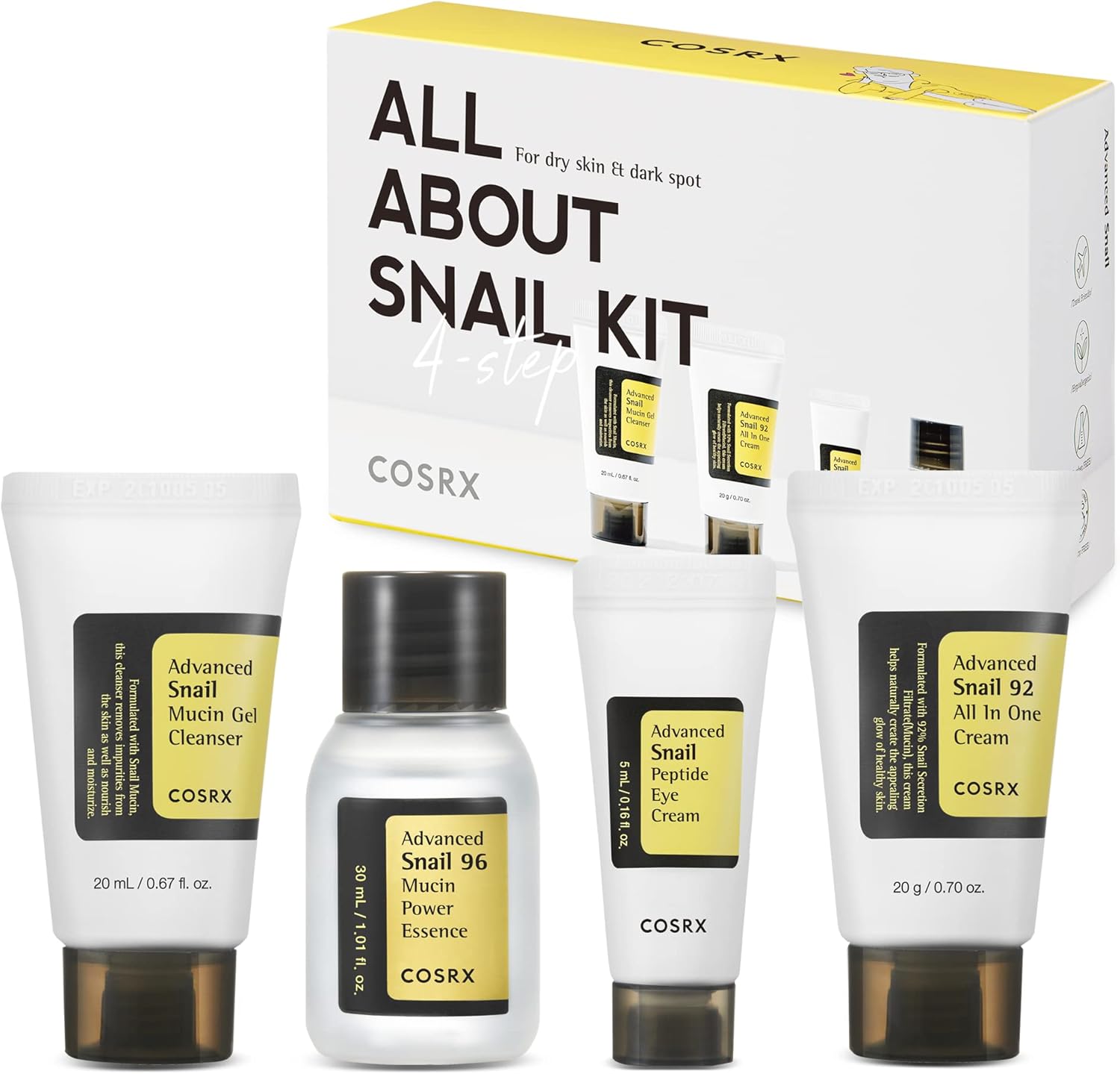
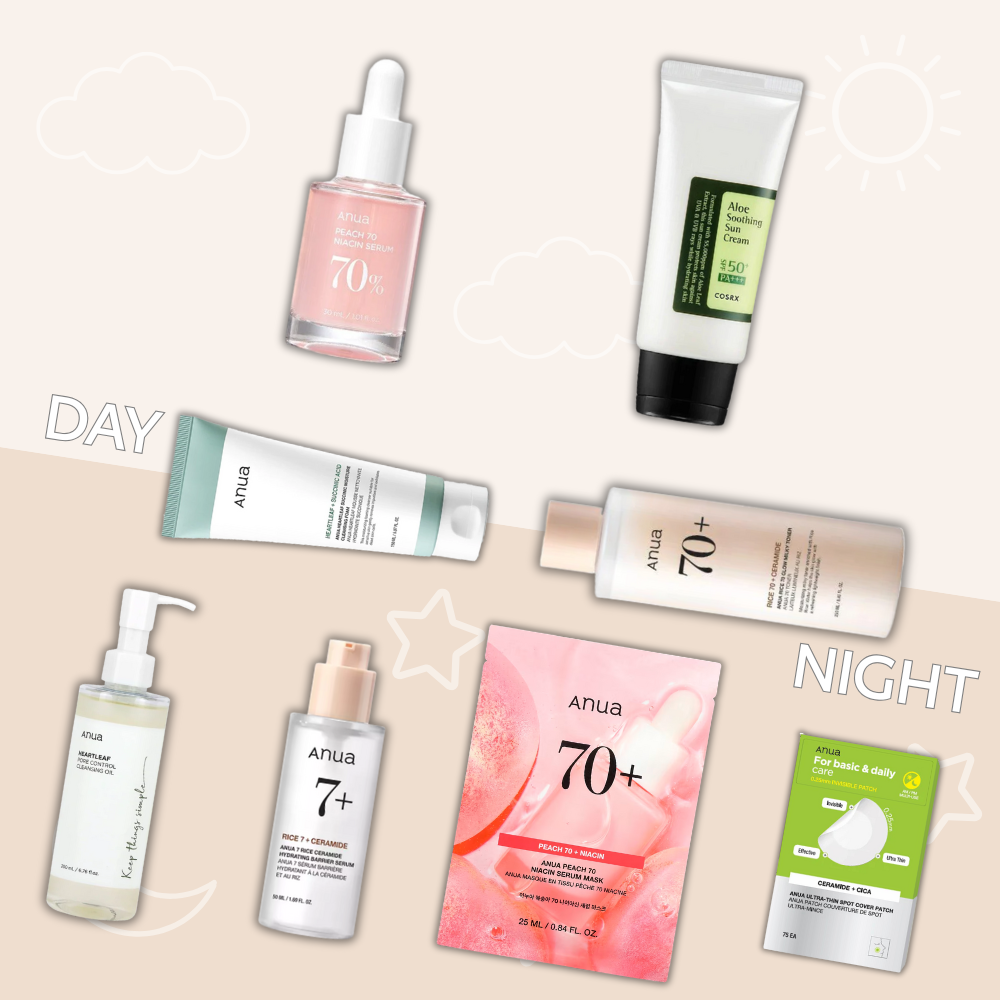
BEST SELLING PRODUCTS FOR ACNE CONTROL


The Power of a Balanced Routine
Skincare in 2026 is less about multiple steps and more about regularly following the same simple steps. Usually, a minimalist skincare routine will give you the best results.
Initially, use a mild cleanser that can get rid of impurities and, at the same time, leave the natural oils undisturbed. After that, apply a treatment product which targets your skin problem. Complete the routine with a light moisturiser and sunscreen for the daytime.
There is a common belief that moisturiser can clog pores and thus people with acne avoid it. Actually, a good skincare routine with moisturisers can hydrate the skin and make the barrier strong, which, in turn, prevents the skin from secreting too much oil. Once the skin barrier is soothed and well taken care of, the inflammation is naturally lessened.
Gentle Exfoliation Makes a Difference
One of the major causes of clogged pores is a layer of dead skin. Exfoliating is a great way to remove dead skin buildup and also gives a nice, smooth texture. The error that most newbies make is going for very harsh scrubs.
An easy chemical exfoliant or Korean exfoliators can be safer and more beneficial to your acne-prone skin than harsh ones. Such alternatives enhance the skin surface without causing micro-tearing or irritation. Only one or two times weekly use of exfoliation is recommended. Overdoing it can deteriorate the skin's barrier and lead to skin sensitivity.
The right exfoliation can be a great ally for a good, clear skin without causing any stress.
Treating Marks After Acne
Frequently, discolorations occur after the acne has cleared. These post-inflammatory marks are caused by the inflammation process and may last for several weeks or months. They are not permanent acne scars, and fading them away needs patience.
If you add a brightening serum to your nighttime skincare regimen, it will gradually reduce uneven skin tone. Niacinamide and vitamin C, for example, are very good for the skin and result in a more even and smooth appearance. It is not about how fast you get the results, but rather how consistent you are.
Ridding the skin of pimples is just one part of the equation in having clear skin. The other factors that contribute to radiant skin are an even skin tone and a healthy skin texture.
Why Korean Skincare Is Changing Acne Care
Worldwide, we see a shift from harsh treatments to gentle skincare routines. Korean skincare Australia has become well-known for its emphasis on calming, repairing and strengthening the skin barrier rather than excessively drying out acne.
Such regimens typically pack soothing elements like centella asiatica and green tea. Rather than stripping oil, they essentially try to get the skin back to its natural state. This method fits like a glove for sensitive, acne-prone skin, prone skin which easily gets irritated when exposed to strong acids.
The premise is straightforward. When your skin is calm, it is able to heal faster.
Lifestyle Habits That Shape Your Skin
Even the most effective skincare products cannot be expected to completely control acne if your everyday habits are totally the opposite of what is good for your skin. Your skin is a reflection of your sleep, diet, stress levels, and hygiene, etc.
Not getting enough sleep causes your body, including your skin, to be inflamed. For some people, high sugar intake might be the cause of their worsening breakouts. Dirty pillowcases and unwashed makeup brushes are a source of bacteria that come into contact with your face.
Making little lifestyle changes will lead to visible improvement in the long run. Healthy skin is a mirror of internal harmony.
When Professional Help Is Necessary
When pimples get really sore, deep, or leave scars, professional help is the way to go. A dermatologist might issue you medications that work on hormonal or cystic acne far beyond what you can get in a drug store. If you are willing to take care of your skin right away, you'll be able to avoid scars that last a lifetime and save yourself the hassle. Having acne is nothing unusual, and getting medical help is just as usual.
Patience Creates Real Results
The biggest mistake that a lot of people make is that they keep changing products very quickly. It takes six to eight weeks at least for acne treatments to show a significant change. It's a biological process through which skin renews itself.
Notice your progress only once a month instead of constantly. You might have some deteriorating days even before you have some really good days. It does not necessarily mean your regimen is not working.
It is through consistent efforts that your skin will be healthy, not through instant miracles.
FAQs
1. How long should I try a new acne product before changing it?
You should give it a try for at least six weeks unless you get irritation or a negative reaction.
2. Is exfoliation safe for acne-prone skin?
Yes, but you should only do it once or twice a week and use gentle scrubs.
3. Does stress really cause acne?
Stress can stir up the production of oil and inflammation, thereby causing breakouts. When you keep your stress at bay, your skin tends to stay clearer.