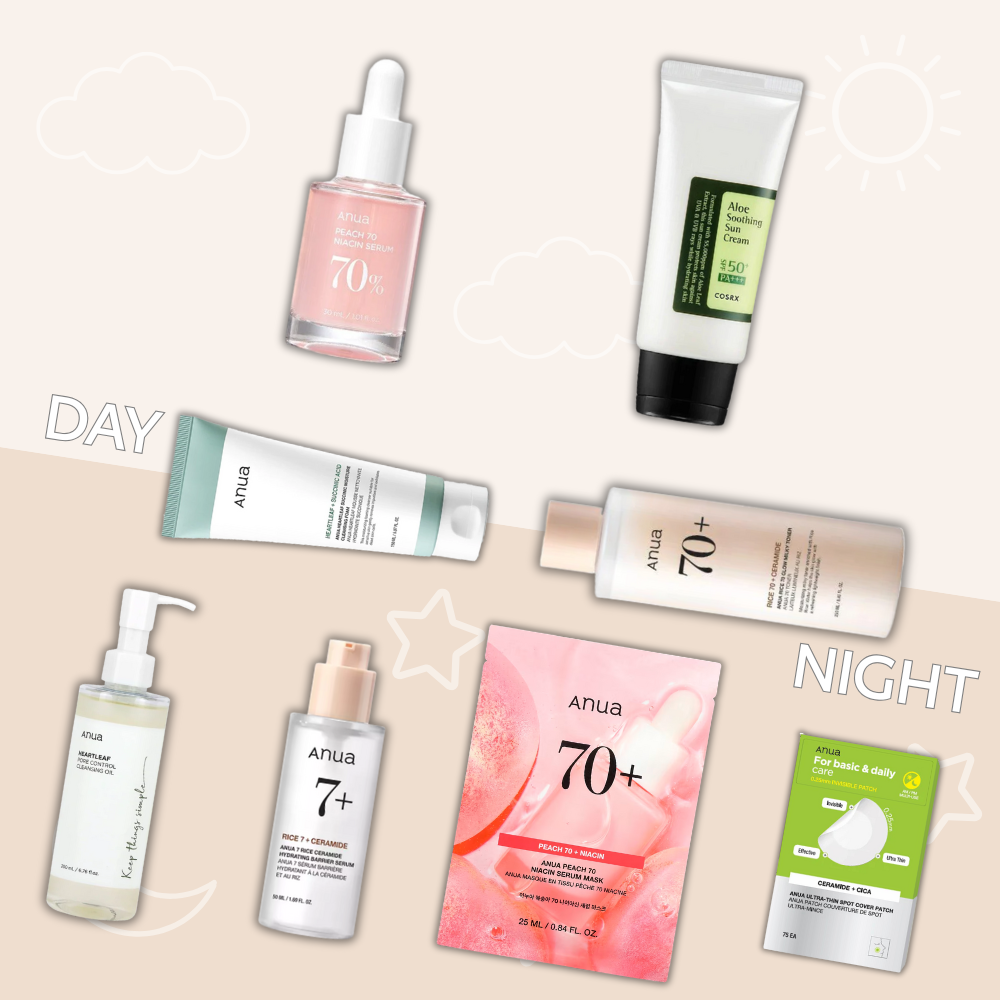



Type: Facial Cleanser
Anua Heartleaf Quercetinol Pore Deep Cleansing Foam


Type: Makeup Remover
SKIN1004 Madagascar Centella Light Cleansing Oil


Type: Facial Cleanser
Beauty of Joseon Green Plum Refreshing Cleanser

Type: Makeup Remover
Beauty of Joseon Ginseng Cleansing Oil


Type: Makeup Remover
Round Lab 1025 Dokdo Cleansing Oil


Type: Facial Cleanser
SKIN1004 Madagascar Centella Ampoule Foam


Type: Facial Cleanser
Round Lab 1025 Dokdo Cleanser


Type: Facial Cleanser
Cosrx Advanced Snail Mucin Power Gel Cleanser


Type: Makeup Remover
Anua Heartleaf Pore Control Cleansing Oil Mild


Type: Facial Cleanser
Purito SEOUL Oat In Gentle Exfoliating Face Cleanser
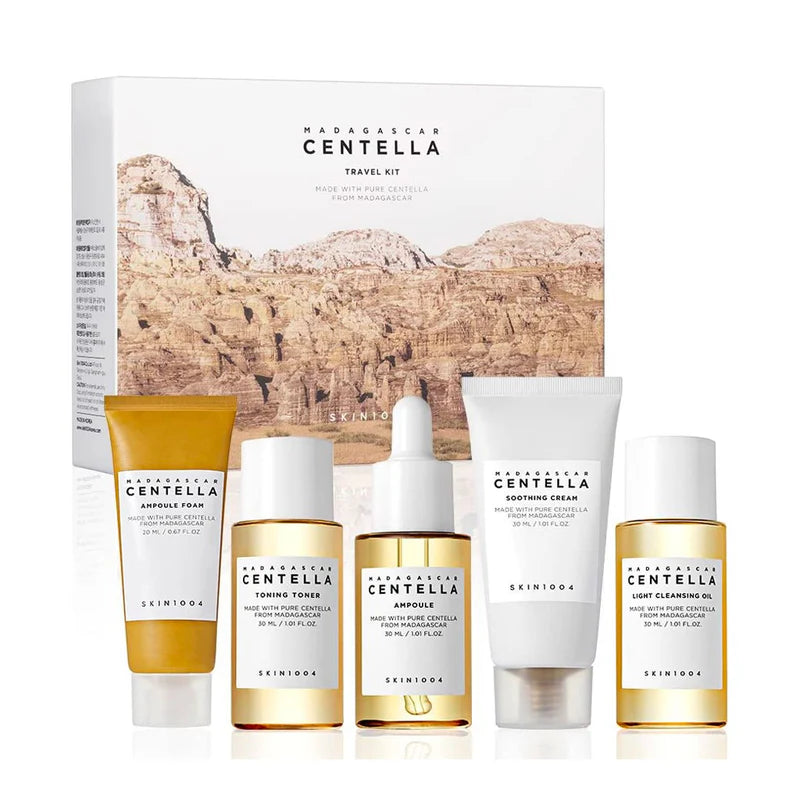

Type: Travel Sets
SKIN1004 Madagascar Centella Travel Kit


Type: Non Sheet Mask
SKIN1004 Madagascar Centella Poremizing Quick Clay Stick Mask


Type: Facial Cleanser
Shiseido Senka Perfect Whip Foam


Type: Facial Cleanser
Shiseido Senka Perfect Whip Collagen In


Type: Facial Cleanser
Cosrx Salicylic Acid Daily Gentle Cleanser


Type: Facial Cleanser
Anua Rice Enzyme Brightening Cleansing Powder

Type: Facial Cleanser
Anua Heartleaf Succinic Moisture Cleansing Foam


Type: Makeup Remover
Anua Heartleaf Pore Control Cleansing Oil
Recently viewed products
Our Journals

The Difference Between Toners, Essences, and Serums Explained
When it comes to making a skincare routine, it is easy to feel that there are so many choices. You might have come across a few terms like toner, essence, and serum, but how are they different? Also, which one should you apply first? A big part of having glowing and smooth skin lies in understanding the role of each product. Beginning with moisture, a hydrating and brightening serum can significantly change your skin's hydration level and general feel. Here is a breakdown of these products, their compatibility, and a few suggestions from Pretty Skin Cosmetics that can work well for you. What a Toner Does for Your Skin Refreshing, Balancing, and Prepping Toner is usually the first liquid step after washing your face. It has a simple but quite important role as it renews the skin, cleans away any remnants of cleanser or makeup, and supports the skin's natural pH balance. Today, toners are no longer just a step for cleansing. A lot of them aim at providing hydration and soothing the skin if it gets irritated. They essentially prepare your skin to benefit the most from subsequent products. Here are the main benefits of using a toner: Hydrates and refreshes the skin Prepares your skin for serums and moisturizers Helps refine pores and reduce redness A nice thing from Pretty Skin Cosmetics is the Anua Rice 70 Glow Milky Toner. This is a very light, calming toner that would be perfect for adding moisture to your skin and at the same time, getting it ready for the following steps. It is quite easy to use a toner. Basically, you have two options: you can take a cotton pad soaked with the product or use your hands to softly pat it on your face and neck. The goal is to let your skin absorb it quickly so it’s ready for the next layer. BEST SELLING TONERS What an Essence Actually Is Deep Hydration and Skin Boost Essence is a kind of skincare product that is used after toner and before serum. Imagine it as a very light booster that helps your skin to enjoy the maximum benefits of the next treatments. It is more hydrating than a toner but lighter than a serum. Essences may include mild active substances that can deeply treat your skin while still feeling light. They are a staple of Korean skincare regimens because of their moisturizing and prepping advantages. Key benefits of essences include: Provides deep hydration and preps the skin Enhances the absorption of serums and treatments Delivers gentle active ingredients like humectants and plant extracts The Beauty of Joseon Glow Serum by Pretty Skin Cosmetics is an excellent example of a product that combines the qualities of an essence and a light serum. It not only hydrates and brightens your skin but also makes it more receptive to other treatments. Essences typically have a watery consistency or are slightly viscous. After cleansing your face, you apply them with your hands by gently patting the skin instead of rubbing it. This way, your skin absorbs all the moisture. How Serums Stand Out Concentrated Treatment for Specific Concerns Serums are the strength of a skincare routine. They hold a great concentration of active ingredients designed to address particular skin issues. Whether it is wrinkles, pigmentation, dryness, or dullness, serums offer a range of benefits that your skin cannot get from toners or essences alone. Why You Should Include a Serum Delivers targeted active ingredients deep into your skin Improves texture, firmness, and brightness Works best when layered under a moisturizer For example, Pretty Skin Cosmetics has Anua 7 Rice Ceramide Hydrating Barrier Serum and Anua Niacinamide 10% +TXA 4% Serum in its product line. Both these products are perfect for hydrating, repairing the skin barrier, and dealing with the uneven skin tone. A moisturizing serum like this one is a perfect way to ensure your skin is extremely hydrated and also gets the active ingredients exactly where they are needed. Normally, serums are more viscous than toners or essences. Most of the time, you use a dropper to apply them, concentrating on small areas and lightly patting them in to help them get fully absorbed. Layering Your Skincare Routine Simple Step-By-Step Order The sequence in which skincare products are applied can greatly influence the outcome. Essentially, the lighter products should be applied first, then the heavier, more potent ones. A typical routine looks like this: Cleanser washing the face and removing makeup and dirt Toner refreshes the skin and restores the pH balance Essence hydration and creating the perfect base for the next steps Serum applies a concentrated layer of active ingredients Moisturizer seals the skin to keep the benefits By following this sequence, each product enhances the one that comes after it. Your skin can fully absorb the active ingredients without any barriers. Quick Comparison of Toners, Essences, and Serums Texture and Purpose Toner – very light, refreshing, and balancing Essence – light to slightly thick, deeply hydrating and priming Serum – thicker, concentrated, and targeted When to Use Each Product Type: TonerBest After: CleansingMain Purpose: Refresh and balance the skinAdditional Benefits: Helps remove leftover impurities after cleansing Prepares skin for better absorption of subsequent products Restores natural pH balance Can soothe and calm irritated skin Product Type: EssenceBest After: TonerMain Purpose: Deep hydration and prep for treatmentAdditional Benefits: Provides lightweight, concentrated hydration Enhances the effectiveness of serums and treatments Strengthens skin barrier Can improve texture and radiance over time Product Type: SerumBest After: EssenceMain Purpose: Targeted treatment for specific concernsAdditional Benefits: Highly concentrated ingredients for problem areas Can address concerns like dark spots, wrinkles, or acne Supports skin regeneration and repair Works synergistically with moisturizers for maximum results Choosing What Works for You Match Products to Skin Goals If hydration is your main concern, start with a toner and follow with an essence If you have specific issues like pigmentation, dryness, or uneven texture, incorporate a serum with active ingredients like hyaluronic acid or niacinamide Not everyone needs all three steps. Focus on what supports your skin’s needs best Using products from Pretty Skin Cosmetics ensures you get quality ingredients designed for hydration, repair, and overall skin wellness. Wrap Up Using the right combination of toner, essence, and serum can transform your routine and help you achieve healthier, glowing skin. By choosing carefully and layering products from trusted sources like Pretty Skin Cosmetics, your skin gets the hydration, treatment, and protection it needs to look and feel its best. FAQs Q1: What is the main difference between toner and essence? Ans: Toner refreshes and balances the skin after cleansing. Essence hydrates more deeply and preps the skin for treatments that follow. Q2: Can I skip essence and go straight to serum? Ans: Yes, essence is optional. Serums are concentrated treatments that work effectively even if you skip the essence step. Q3: Do I need a separate serum for hydration and treatment? Ans: Not always. Some serums, like the Anua 7 Rice Ceramide Hydrating Barrier Serum, combine hydration and active treatment in one product.
Learn more
Acne-Prone Skin 101: Causes, Care, and Clear Results
Almost 85% of the population faces acne at one time or another. It may develop during the teenage years and persist into adulthood. Having breakouts is quite disappointing, especially when they keep coming back. The answer is not to apply more products. The answer is to comprehend your skin and give it the right treatment. Acne, prone skin becomes irritated by pore blockage, excess oil, bacteria, and inflammation. A lot of people think that acne only refers to oily skin, but even dry or combination skin can develop acne. Once the skin barrier is compromised, the skin becomes more susceptible to stress, hormones, and harsh ingredients. Just when the acne seems to be gone, why does it come back? To understand, keep reading! What Truly Triggers Breakouts Acne isn't something that just happens on the surface of your skin. Your skin actually produces oil naturally to keep itself healthy. A mixture of this oil, thats normally on your skin, and the dead skin cells will cause blocked pores. Bacteria will then infiltrate the clogged pores, and the immune system will react with inflammation. That is the reason for the redness, swelling, and painful pimples. Hormones are the main factor. Stress makes your skin produce more oil. If you don't get enough sleep, your skin won't heal as fast. Overloading your skin with skincare or makeup products can cause the skin to be coated with debris. By simply doing some of your daily routines, such as frequently touching your face, your skin might break out even more. If you know the root of the problem, you will be able to treat acne more efficiently instead of just guessing. BEST SELLING PRODUCTS FOR ACNE CONTROL The Power of a Balanced Routine Skincare in 2026 is less about multiple steps and more about regularly following the same simple steps. Usually, a minimalist skincare routine will give you the best results. Initially, use a mild cleanser that can get rid of impurities and, at the same time, leave the natural oils undisturbed. After that, apply a treatment product which targets your skin problem. Complete the routine with a light moisturiser and sunscreen for the daytime. There is a common belief that moisturiser can clog pores and thus people with acne avoid it. Actually, a good skincare routine with moisturisers can hydrate the skin and make the barrier strong, which, in turn, prevents the skin from secreting too much oil. Once the skin barrier is soothed and well taken care of, the inflammation is naturally lessened. Gentle Exfoliation Makes a Difference One of the major causes of clogged pores is a layer of dead skin. Exfoliating is a great way to remove dead skin buildup and also gives a nice, smooth texture. The error that most newbies make is going for very harsh scrubs. An easy chemical exfoliant or Korean exfoliators can be safer and more beneficial to your acne-prone skin than harsh ones. Such alternatives enhance the skin surface without causing micro-tearing or irritation. Only one or two times weekly use of exfoliation is recommended. Overdoing it can deteriorate the skin's barrier and lead to skin sensitivity. The right exfoliation can be a great ally for a good, clear skin without causing any stress. Treating Marks After Acne Frequently, discolorations occur after the acne has cleared. These post-inflammatory marks are caused by the inflammation process and may last for several weeks or months. They are not permanent acne scars, and fading them away needs patience. If you add a brightening serum to your nighttime skincare regimen, it will gradually reduce uneven skin tone. Niacinamide and vitamin C, for example, are very good for the skin and result in a more even and smooth appearance. It is not about how fast you get the results, but rather how consistent you are. Ridding the skin of pimples is just one part of the equation in having clear skin. The other factors that contribute to radiant skin are an even skin tone and a healthy skin texture. Why Korean Skincare Is Changing Acne Care Worldwide, we see a shift from harsh treatments to gentle skincare routines. Korean skincare Australia has become well-known for its emphasis on calming, repairing and strengthening the skin barrier rather than excessively drying out acne. Such regimens typically pack soothing elements like centella asiatica and green tea. Rather than stripping oil, they essentially try to get the skin back to its natural state. This method fits like a glove for sensitive, acne-prone skin, prone skin which easily gets irritated when exposed to strong acids. The premise is straightforward. When your skin is calm, it is able to heal faster. Lifestyle Habits That Shape Your Skin Even the most effective skincare products cannot be expected to completely control acne if your everyday habits are totally the opposite of what is good for your skin. Your skin is a reflection of your sleep, diet, stress levels, and hygiene, etc. Not getting enough sleep causes your body, including your skin, to be inflamed. For some people, high sugar intake might be the cause of their worsening breakouts. Dirty pillowcases and unwashed makeup brushes are a source of bacteria that come into contact with your face. Making little lifestyle changes will lead to visible improvement in the long run. Healthy skin is a mirror of internal harmony. When Professional Help Is Necessary When pimples get really sore, deep, or leave scars, professional help is the way to go. A dermatologist might issue you medications that work on hormonal or cystic acne far beyond what you can get in a drug store. If you are willing to take care of your skin right away, you'll be able to avoid scars that last a lifetime and save yourself the hassle. Having acne is nothing unusual, and getting medical help is just as usual. Patience Creates Real Results The biggest mistake that a lot of people make is that they keep changing products very quickly. It takes six to eight weeks at least for acne treatments to show a significant change. It's a biological process through which skin renews itself. Notice your progress only once a month instead of constantly. You might have some deteriorating days even before you have some really good days. It does not necessarily mean your regimen is not working. It is through consistent efforts that your skin will be healthy, not through instant miracles. FAQs 1. How long should I try a new acne product before changing it? You should give it a try for at least six weeks unless you get irritation or a negative reaction. 2. Is exfoliation safe for acne-prone skin? Yes, but you should only do it once or twice a week and use gentle scrubs. 3. Does stress really cause acne? Stress can stir up the production of oil and inflammation, thereby causing breakouts. When you keep your stress at bay, your skin tends to stay clearer.
Learn more
How To Get Rid Of Oily Skin?
Oily skin is typically accompanied by shine, spots, and the pores getting clogged more often. When you identify the reasons behind your skin's overproduction of oil and apply the appropriate measures to control the oiliness, you will gradually get the skin that is not only balanced but also healthy in appearance. With a consistent routine and carefully chosen products, oily skin can stay fresh, clear, and comfortable without feeling greasy. Keep on reading to discover the best tips and treatments for managing oily skin effectively. Understanding Why Skin Becomes Oily The overproduction of sebum by the sebaceous glands beyond what is actually required leads to the development of oily skin. Hormonal fluctuations, psychological stress, nutritional intake, and the surroundings are all factors that affect the secretion of oil. When there is too much sebum, it becomes difficult for the pores to breathe, and the skin can even develop acne. On the other hand, the absence of sebum will make the skin vulnerable and unprotected. One must get to know their skin type and the roots of oiliness before paving the way towards managing it. BEST SELLING PRODUCTS FOR OIL CONTROL Gentle Cleansing Techniques Properly cleansing your face is crucial if you want to keep your oily skin under control. A mild foaming cleanser can be applied twice a day, and this will help you to get rid of dirt, sweat, and oil without your skin feeling dry. Salicylic acid, glycolic acid, or tea tree oil are some of the ingredients that can help you achieve the goal of less shiny skin and clearer pores. Please, do not use harsh soaps or alcohol, based cleansers because they can damage the skin and result in more oil production. Also, hot water can irritate the skin because it overstimulates the sebaceous glands, so it is better to use lukewarm water. Exfoliation for Clearer Skin Exfoliating gets rid of dead skin cells, which are the main cause of blocked pores. For oily skin, chemical exfoliators like AHAs (alpha hydroxy acids) or BHAs (beta hydroxy acids) work best. Besides enhancing the appearance of the skin, they also help to decrease the amount of oil and keep the skin surface even. Using physical scrubs can damage your skin; therefore, it's better to use chemical exfoliants or masks specifically made for oily skin. How Korean Beauty Products Can Help Korean beauty products are well-known all over the world for their innovative and mild methods. Korean beauty products' lightweight formulas, hydrating essences, and sheet masks deliver the needed moisture without being greasy. Centella asiatica, green tea, and hyaluronic acid are just a few of the ingredients that help calm inflammation, control oil secretion, and give off a healthy glow. By adding these products to your skincare regimen, you can get better skin texture and less shine. The Importance of Moisturizing A lot of people with oily skin tend to skip moisturizers because they are afraid their skin will get even more oily. Using a light, non, comedogenic moisturizer is a must. When your skin is dehydrated, it will give false signals to your sebaceous glands, which will then produce more oil, and thus the problem will be aggravated. Gel, based moisturizers or those containing aloe vera, niacinamide, and hyaluronic acid moisturize your skin without making it feel sticky. Regular use will help keep your sebum production in check, and thus your skin will become more balanced. Sun Protection for Oily Skin Spending time in the sun without protection can make oily skin even oilier and may lead to acne. Therefore, it is advisable to use a sunscreen that is either non, comedogenic or light in texture to keep your skin safe every day. Usually, Korean beauty brands provide a range of skincare products including sun protection ones, which are specifically designed for oily skin to ensure the skin stays protected without feeling heavy. Furthermore, consistent application of sun protection not only keeps the skin properly hydrated but also prevents the skin from ageing prematurely, thus working with your skincare regimen. Lifestyle Choices That Affect Oil Production What we eat and how we behave largely determine our skin condition in general. Consuming a lot of sweet things, junk foods, and dairy could lead to more oil secretion, whereas drinking plenty of water along with having a diet rich in fruits and vegetables is beneficial for healthy skin. Besides, uncontrolled stress and irregular sleeping habits can cause excessive oil secretion. While cortisol, a hormone that is released when one is stressed, is responsible for making skin produce more oil. Therefore, one can keep his/her skin balanced by relaxing through meditation, working out, or simply getting enough sleep. Masks and Treatments for Oily Skin Face masks can be a great way to get rid of excess oil and take down the shine on your face. Clay masks, charcoal masks, and oil-absorbing treatments not only help to unclog pores but also work in reducing the level of greasiness. For best results, use them once or twice a week. Do not use masks excessively, as this can result in the removal of necessary oils and damage to the skin barrier. Regular use of masks will get you a clearer and more balanced skin. Makeup Tips for Oily Skin Using the correct makeup is one of the ways to keep your skin from getting even more oily. Using a non, comedogenic, oil, oil-free foundation, primer, and powder that can be left on your skin will help it breathe and thus reduce the chances of a breakout. The use of mattifying products and setting sprays can keep your look fresh all day long. Make sure you remove all your makeup at the end of the day. When products are left on your skin overnight, they clog pores and cancel out the benefits of your skincare routine. FAQs 1. Can oily skin become dehydrated?Ans: Definitely, if you use harsh treatments or wash too often, your oily skin can become dehydrated. You can prevent this by cleaning gently and keeping your skin hydrated properly at the same time as controlling the shine. 2. Are Korean beauty products effective for oily skin?Ans: Korean beauty products are great for the skin of the face that produces more oil, since a lot of these products are made with oily skin in mind. The use of lightweight, non, comedogenic ingredients that help control sebum also allows the skin to stay hydrated. 3. How often should oily skin be exfoliated?Ans: 1 to 2 times per week is enough. Too much exfoliating will irritate your skin and make it produce even more oil. Chemical exfoliants are better than scrubs. 4. Can diet affect oily skin?Ans: Yes, eliminating processed foods, sugar, and fried foods and at the same time staying hydrated and eating nutrient-rich foods, can reduce oil production and thus improve the condition of the skin.
Learn more