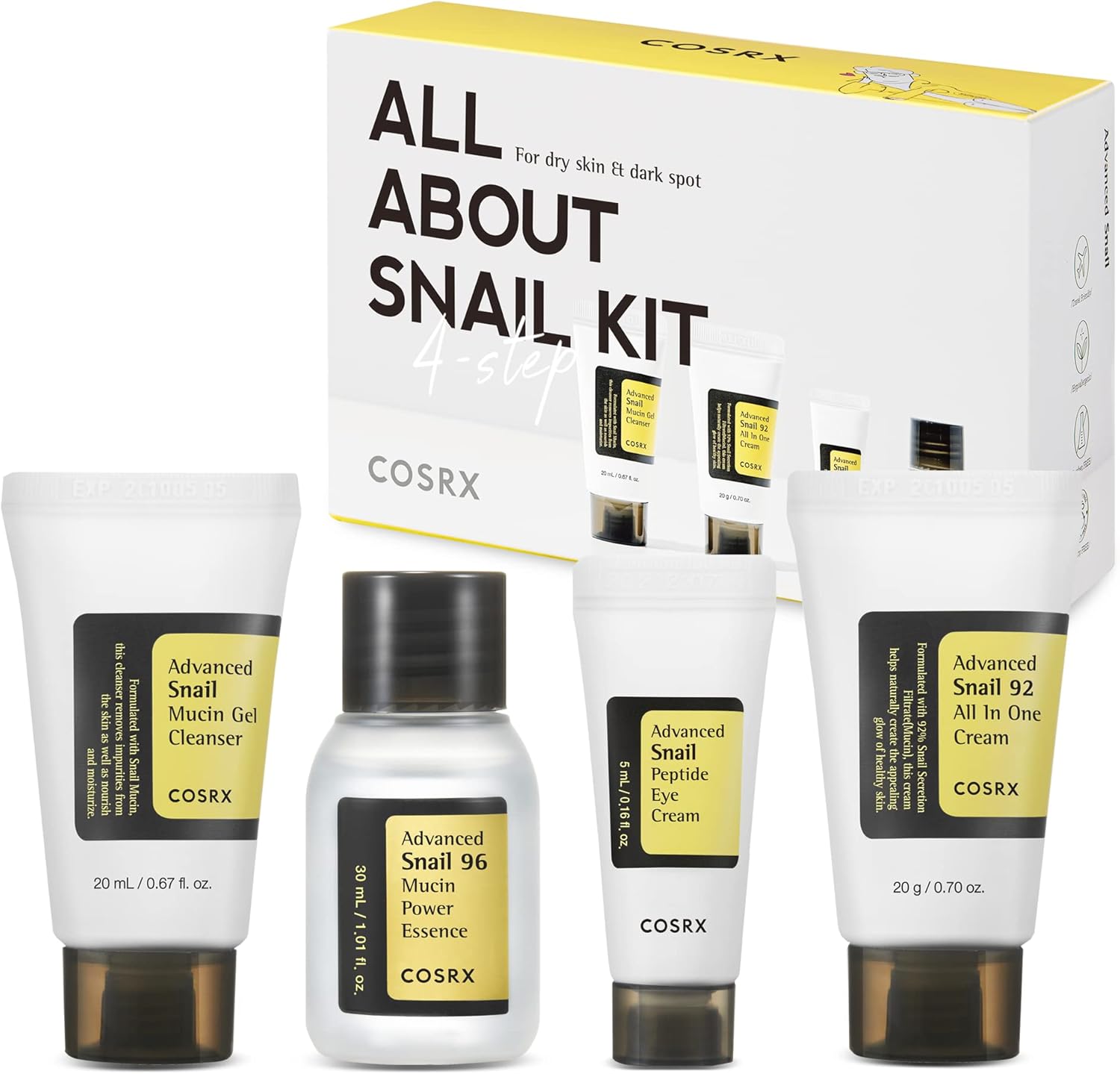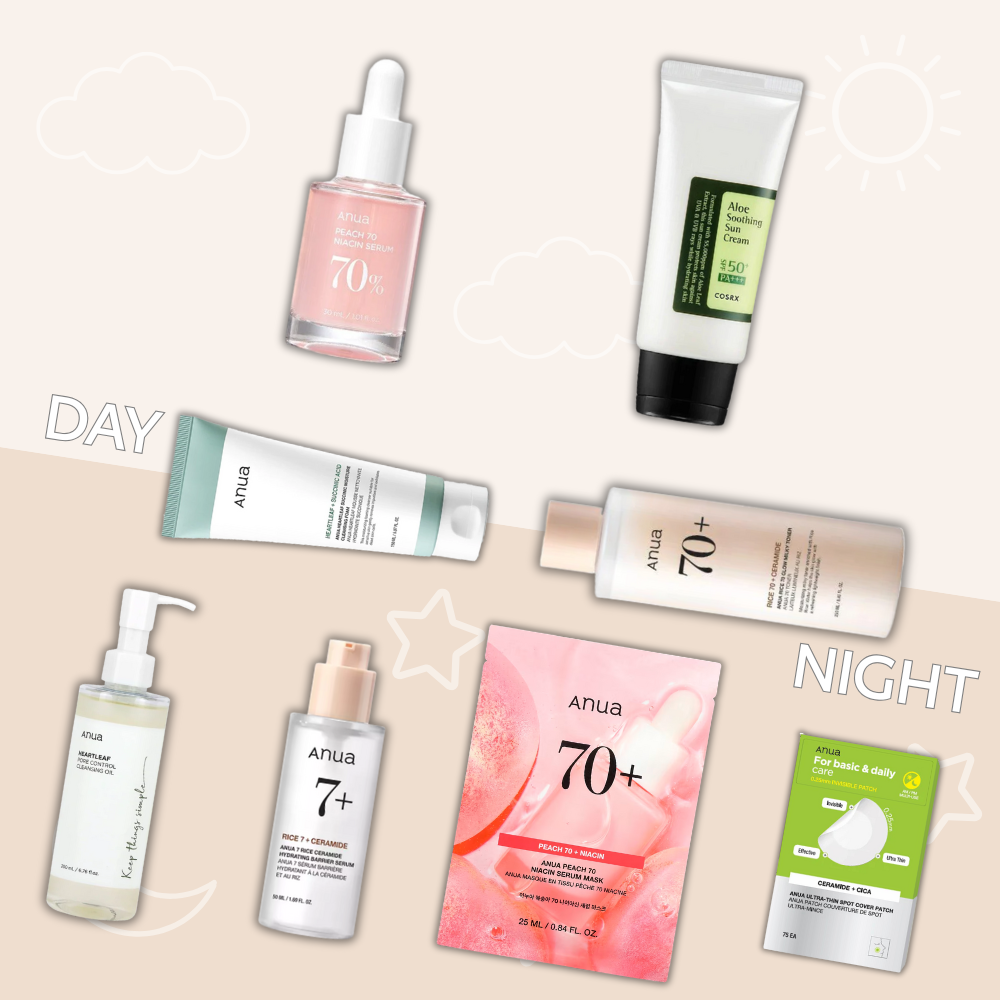

K-Beauty in Australia 2026: Trendy Korean Skincare for Real Skin Problems
Korean skincare has moved well past its "10-step routine" reputation. In Australia in 2026, K-beauty is less about novelty and more about function: calming irritated skin, rebuilding a damaged barrier, and handling the specific stress that Australian conditions put on your face — harsh UV, dry inland air, and constant aircon. Whether you're 19 and battling breakouts or 55 and focused on skin firmness, there's a Korean skincare approach built for you.
This guide breaks down what's actually trending, why it matters for Australian skin, and how to match it to the skin problem you're dealing with right now — not just what's popular on social media.
Why Korean Skincare Keeps Growing in Australia
Australia's climate is genuinely tough on skin. Strong year-round UV accelerates pigmentation and premature ageing, while air conditioning indoors and dry heat outdoors strip moisture from the skin barrier. Korean formulations were built around exactly this kind of repair-and-protect philosophy, using lightweight textures that hydrate deeply without feeling heavy in Australian humidity or heat. That's a big part of why K-beauty has settled into everyday routines from Melbourne to Perth, rather than staying a niche interest.
The Biggest Korean Skincare Trends for 2026
1. "Bloom Skin" Replaces "Glass Skin"
Glass skin — the ultra-glossy, poreless look — is giving way to "bloom skin": even-toned, strengthened and genuinely healthy-looking skin rather than a high-shine finish. The goal is a strong skin barrier first, glow second. For anyone with reactive or damaged skin, this shift is good news, because the routines behind it prioritise repair over intensity.
2. Regenerative Ingredients: PDRN, Exosomes and NMN
The ingredient story of 2026 is biotech. PDRN (a repair-focused molecule derived from salmon DNA fragments), exosomes, and NMN are appearing in ampoules and serums aimed at supporting the skin's own renewal process, rather than just sitting on the surface. These are increasingly used for regeneration and long-term skin quality, not just anti-ageing.
3. Derma-Cosmetics and Clinical-Grade Formulas
Korean brands are blurring the line between skincare and pharmacy-grade treatment, with clinically tested formulas becoming mainstream rather than premium-only. This "derma-cosmetic" category is particularly relevant if you're managing a persistent issue like acne, rosacea-prone skin, or a compromised barrier from over-exfoliating.
4. Simpler Routines, Smarter Layering
The multi-step routine hasn't disappeared, but the emphasis has shifted to consistency over complexity. Cleanse gently, hydrate deeply, treat with purpose, and protect daily — that four-part structure is replacing the idea that more steps automatically means better skin.
5. Oil Cleansing, Refined
Double cleansing with an oil-based first step remains a K-beauty staple, but 2026 formulas are more barrier-conscious, designed to remove sunscreen and makeup without stripping the skin — useful for anyone using SPF daily, which in Australia should be everyone.
6. Sustainability as a Baseline Expectation
Traceable ingredient sourcing and refillable packaging are becoming standard rather than a selling point, matching a broader shift in what Australian shoppers expect from beauty brands.
Matching K-Beauty Trends to Your Skin Problem
Trend-chasing only helps if it's solving something. Here's how the current wave of Korean skincare maps onto common concerns across age groups.
| Skin Concern | What's Trending That Helps | Who It Tends to Suit |
|---|---|---|
| Acne & breakouts | Azelaic acid serums, niacinamide, gentle oil cleansing | Teens to early 30s, oily or combination skin |
| Sensitivity & barrier damage | Centella asiatica (cica), fragrance-free formulas, PDRN essences | Any age, especially after over-exfoliating or retinoid use |
| Dullness & uneven tone | Ginseng essences, niacinamide, vitamin-based brighteners | 25–45, sun-exposed or fatigued skin |
| Fine lines & loss of firmness | Peptides, PDRN + NMN blends, regenerative ampoules | 35–65 |
| Dryness from AC or dry heat | Ceramide moisturisers, hydrating essence layering | Any age, particularly office workers and inland climates |
K-Beauty Isn't Just for Women
One of the clearer shifts in the Australian market is more men adopting Korean skincare, drawn by its focus on results over gender-branded packaging. Men dealing with post-shave irritation, oiliness, or the same barrier and pigmentation issues as anyone else can follow the identical trend list above — Cica for irritation, niacinamide for oil control and tone, PDRN or peptides once fine lines start showing. The routine logic doesn't change; only the concern being treated does.
A Simple 2026-Style Routine to Start With
- Cleanse: oil-based cleanser first if you wear sunscreen or makeup, followed by a gentle water-based cleanser.


2. Treat: one targeted serum or ampoule for your main concern (acne, sensitivity, brightness, or firmness).


3. Hydrate: an essence or lightweight moisturiser with ceramides or PDRN to support the barrier.


4. Protect: broad-spectrum SPF every morning, non-negotiable given Australia's UV levels.


Introduce one new active at a time and give it two to four weeks before judging results — Korean skincare is generally built for consistency rather than overnight change.
Frequently Asked Questions
Is Korean skincare suitable for Australia's climate?
Yes. The lightweight, barrier-focused nature of most K-beauty formulas suits Australia's combination of strong UV, dry air conditioning, and dry inland heat, which all place extra stress on the skin barrier.
Is Korean skincare only for women?
No. The approach is built around skin condition, not gender, so men managing breakouts, oiliness, sensitivity or early ageing can follow the same trends and ingredients.
What is PDRN and why is it trending in 2026?
PDRN is a regenerative ingredient derived from salmon DNA fragments, used to support skin repair and hydration. It has moved from in-clinic treatments into everyday serums and ampoules over the past two years.
What age group can use K-beauty products?
Effectively any age. Younger skin often leans toward oil control and acne-focused products, while skin from the mid-30s onward tends to add peptides, PDRN and richer barrier-repair formulas.