
Our Journal

9 Skincare Mistakes That Trigger Acne You Might Be Making
Many people struggle with acne, even when they seem to be doing everything right; they continue to develop breakout after breakout. Most people have a routine they follow; they use a variety of cleansers and products as part of their routine. They typically purchase or try many kinds of acne treatment products, but still wake up to more acne breakouts each morning. Daily occurrences or habits that can affect someone’s acne include using the wrong products, using incompatible products, and taking additional actions meant to help the skin that instead cause skin irritation. By observing the habits and products misused, one can begin to develop a plan to achieve clearer, calmer skin. It is important to use the right acne care products to spot breakouts and get clear skin. Are Your Acne Care Products Working Against You? The misconception that stronger or harsher products will clear acne faster is a big mistake. When you use too many exfoliating agents and combine them with other active ingredients all at once, you may actually aggravate the skin and create more breakouts rather than helping clear them up. Choosing an exfoliating agent or acne medication designed for oily skin when you actually have sensitive skin can lead to greater inflammation and more breakouts. Additionally, using the wrong type of acne products could damage your skin barrier, resulting in difficulty for your skin to maintain a healthy balance, as well as to fight against bacterial infection. When this barrier becomes damaged, your pores become clogged more easily, there will be greater irritation of the skin, and the likelihood of an unprovoked increase in acne. Once you have determined what areas require adjustment to improve your habits, you will be able to create a more effective routine for addressing your acne while avoiding developing new skin problems as a result of the routine. 9 Skincare Mistakes That Might Be Triggering Your Breakouts 1. Over-Cleansing or Using Harsh Cleansers Cleansing is a vital part of maintaining healthy skin; however, if done too frequently or using a product containing ingredients that strip away skin’s natural oils, it can do more harm than good. Cleansing too often will strip away essential protective oils from your skin, which will then cause your sebaceous glands to overproduce oil, creating excess oil (when combined with the irritation caused by harsh surfactants, which will clog your pores and lead to chronic acne. Using a cleanser formulated specifically to be gentle on your skin will keep your pores clean without disturbing the natural balance of your skin. 2. Skipping Moisturizer Because You Think It Causes Acne A common misconception is that moisturizers exacerbate acne. In actuality, when skin becomes dehydrated, it will try to compensate for the lack of water by increasing oil production. Using lightweight, non-comedogenic moisturizers can help strengthen and protect the skin barrier while reducing the risk of pore blockages. All types of skin, even those that are oily or vulnerable to developing acne, require ongoing hydration.. BEST SELLING ACNE CONTROL & TREATMENT PRODUCTS 3. Overusing Physical or Chemical Exfoliants The process of exfoliation removes the dead skin cells present at the surface of your skin; however, if you overuse this method (too often/), you risk causing issues for your skin such as redness, irritation, and micro-tears. All of these conditions will cause an increase in severity of acne subsequently. When you frequently exfoliate your skin, you will also cause damage to the moisture barrier of your skin, therefore limiting the ability of your skin to recover from its current state of inflammation. For those suffering from acne-prone skin, using exfoliating products once or twice a week is typically best, and even better if you use gentle products that contain fruit enzyme and or 'mild' acids. 4. Not Washing Makeup Brushes and Sponges Regularly Not cleaning your brush regularly can lead to the development of bacteria, oils, and makeup on your skin; therefore, it is important to regularly clean your brushes. The build-up of these things in the pore may cause the creation of whiteheads & blackheads and inflamed (irritated) areas (e.g., pimples). If a person uses a liquid product, then they need to wash the brush more frequently than once every week. 5. Layering Too Many Active Ingredients at Once There's no denying that all of these actives have great potential for skin improvement; however, they do not work well together and can instead cause skin to become irritated, weaken its defenses, and increase the likelihood of breakouts. Rather than having a complicated regimen filled with high concentrations of strong actives that can clash, it is far more effective to have a simple, balanced regimen. 6. Ignoring Your Skin Type When Choosing Products The application of products that do not match your skin type is one of the leading causes of acne. For instance, applying thick cream to oily skin or lightweight gel to dry skin will upset the moisture level in both cases and cause the pores to become clogged. Determining your skin type (i.e., whether you have oily, dry, sensitive, or combination skin) helps you select products that will support your complexion and not create further problems. 7. Sleeping Without Properly Removing Sunscreen and Makeup Sunscreen is non-negotiable, but many formulas are long-wearing and require thorough cleansing to remove. Sleeping with residue on your skin allows it to settle into pores, mix with oil, and create an acne-friendly environment. Double-cleansing, especially using a gentle oil or balm first, is the best way to ensure your skin is completely clean. 8. Touching Your Face Throughout the Day Your hands come in contact with countless surfaces, picking up bacteria, oils, and irritants. Touching your face, even casually, transfers these impurities directly onto your pores. This habit also spreads existing acne-causing bacteria, leading to new breakouts and worsening existing ones. 9. Skipping Recovery Products After Using Acne Treatments Acne treatments tend to be drying, and when the skin is not replenished afterward, it becomes more vulnerable to irritation, redness, and new breakouts. Reinforcing the moisture barrier with hydrating toners, lightweight moisturizers, and calming ingredients is essential. A well-hydrated barrier helps your acne treatments work better without harming the skin. How to Adjust Your Routine for Clearer Skin Once you've identified factors that contribute to the development of acne, reevaluate your cleansing practices and take time to create an effective regimen for maintaining healthy skin. Start by incorporating gentle methods of maintaining balance between hydration levels within the body and providing protection from environmental factors. Incorporate cleaning agents that effectively cleanse away dirt and oil, and nourish the barrier with soothing properties. Look for ingredients such as centella asiatica, allantoin, hyaluronic acid, and botanical extracts; all are beneficial for helping the skin heal from acne-related damage. Being consistent is far more important than how much effort you put into your routine. Properly performing gentle daily rituals will ultimately lead to achieving clearer, calmer skin over time.. Strengthening Your Barrier Helps Reduce Acne Long-Term The health of your skin barrier has a major influence on the skin's ability to fight bacterial infections, modulate oil production, and heal after inflammation. Including skin barrier defense ingredients like ceramides and hydrating toners into your skin care products can have a dramatic effect on keeping those factors in check. Incorporating a pH balancing toner in your daily skin care routine helps return the skin's natural acidity to its proper level, allowing the skin to keep harmful bacteria under control and retaining the proper level of moisture. A toner also prepares the skin for the use of other skin care products (serums and moisturizers), allowing them to function as they are supposed to and greatly reducing the chance of new acne breakouts occurring. Conclusion Acne doesn’t always come from one major problem, often, it stems from small daily mistakes that go unnoticed. By cleansing gently, moisturizing properly, choosing the right products, and protecting your barrier, you can significantly reduce breakouts and maintain clearer, healthier skin. When your routine is balanced and barrier-friendly, acne becomes easier to manage, and your complexion becomes more resilient with time.
Learn more
The Correct Order to Apply Your Skincare (And Why It Actually Matters)
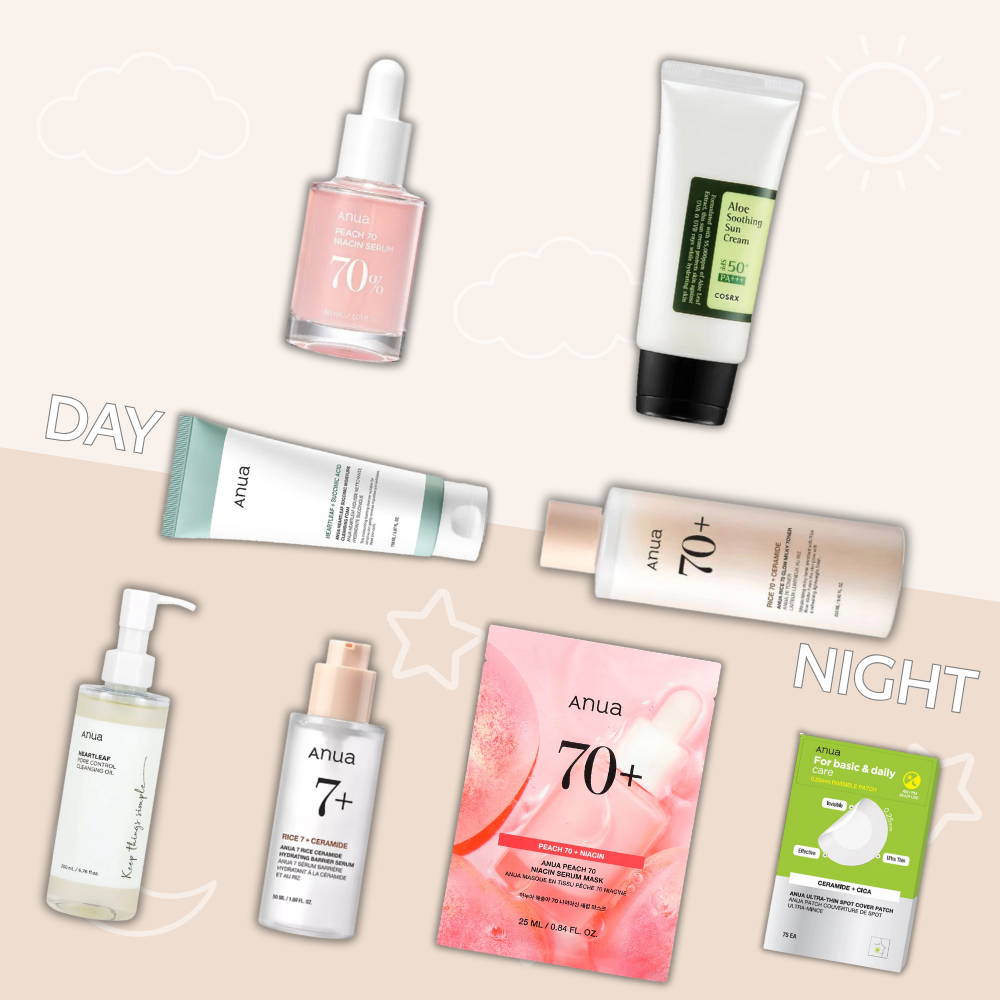
Let’s be honest — skincare can feel like a puzzle. You’ve got toners that look like serums, essences that feel like moisturisers, and serums that insist they should go first. So what’s the actual order to apply your skincare — and does it really make a difference? Spoiler: yes. Think of your skincare routine like a recipe — the ingredients (aka your products) might be great on their own, but they only deliver that Michelin-star glow when layered in the right order. Step 1: Cleanse (Twice If You Want Bonus Points) If you wear makeup, SPF or just live in the real world, your skin collects a cocktail of buildup every day. Start with a balm or oil cleanser to melt away impurities, then follow with a gel or foam cleanser to lift off the residue. K-Beauty Tip: The “double cleanse” was born in Korea for a reason — it’s gentle, thorough, and sets the stage for every product that follows. Step 2: Tone (or Essence — or Both) Toner isn’t the harsh astringent your mum used in the 2000s. The modern toner — or its glowier sibling, essence — preps your skin to better absorb everything else.Pat, don’t rub. Think of this step as your skincare’s warm-up stretch. Pretty Skin loves toners packed with hydrating humectants like hyaluronic acid, birch sap, and glycerin — they balance your skin and give that “freshly misted” feel. Step 3: Serum Here’s where the magic happens. Serums are your targeted treatments — the overachievers of skincare. Whether you’re tackling dullness, fine lines or pigmentation, this is your step to customise. Pro tip: Layer thinnest to thickest. Water-based serums (like niacinamide or hyaluronic acid) go first, oil-based serums last. Step 4: Eye Cream Tiny jar, big impact. The skin around your eyes is thinner and more delicate than anywhere else, so give it something soothing and rich. Gently tap it in with your ring finger — the one least likely to tug. If your formula includes peptides or caffeine, even better. Those are the skincare world’s version of an oat latte and a pep talk. Step 5: Moisturiser Seal it all in. Your moisturiser locks in hydration and keeps the active ingredients working overtime. Morning or night, this is non-negotiable — your skin barrier will thank you. If you’re using multiple creams (say, a light gel and a night cream), go light first, heavy second. Step 6 (Morning Only): SPF Repeat after us: SPF is non-negotiable. It’s the final and most important step of your morning routine — the skincare equivalent of locking your front door before you leave the house. Look for broad-spectrum SPF 30+ or higher, and make it the last thing you apply before makeup. If you take one thing from this entire blog, let it be this: Sunscreen is the most effective anti-aging product you’ll ever own. Step 6 (Night Only): Sleeping Mask or Treatment Your skin repairs itself while you sleep — so night is the perfect time to bring in the big guns. A sleeping mask adds an extra layer of nourishment, while retinols or night serums do their best work after hours. Pop one on, sleep like a baby, wake up with glass skin. Lazy girl beauty at its absolute finest. The Pretty Skin Philosophy There’s no one-size-fits-all approach to skincare — but there is an order that makes everything work harder for you. We like to think of it as skincare choreography: every product has its moment, and when it’s applied in rhythm, the result is harmony (and glow). So whether you’re a minimalist three-stepper or a maximalist layering queen, remember: it’s not about how many products you use. It’s about how you use them.
Learn more
The Rise of Korean Skincare in Australia: Why Aussies Can’t Get Enough
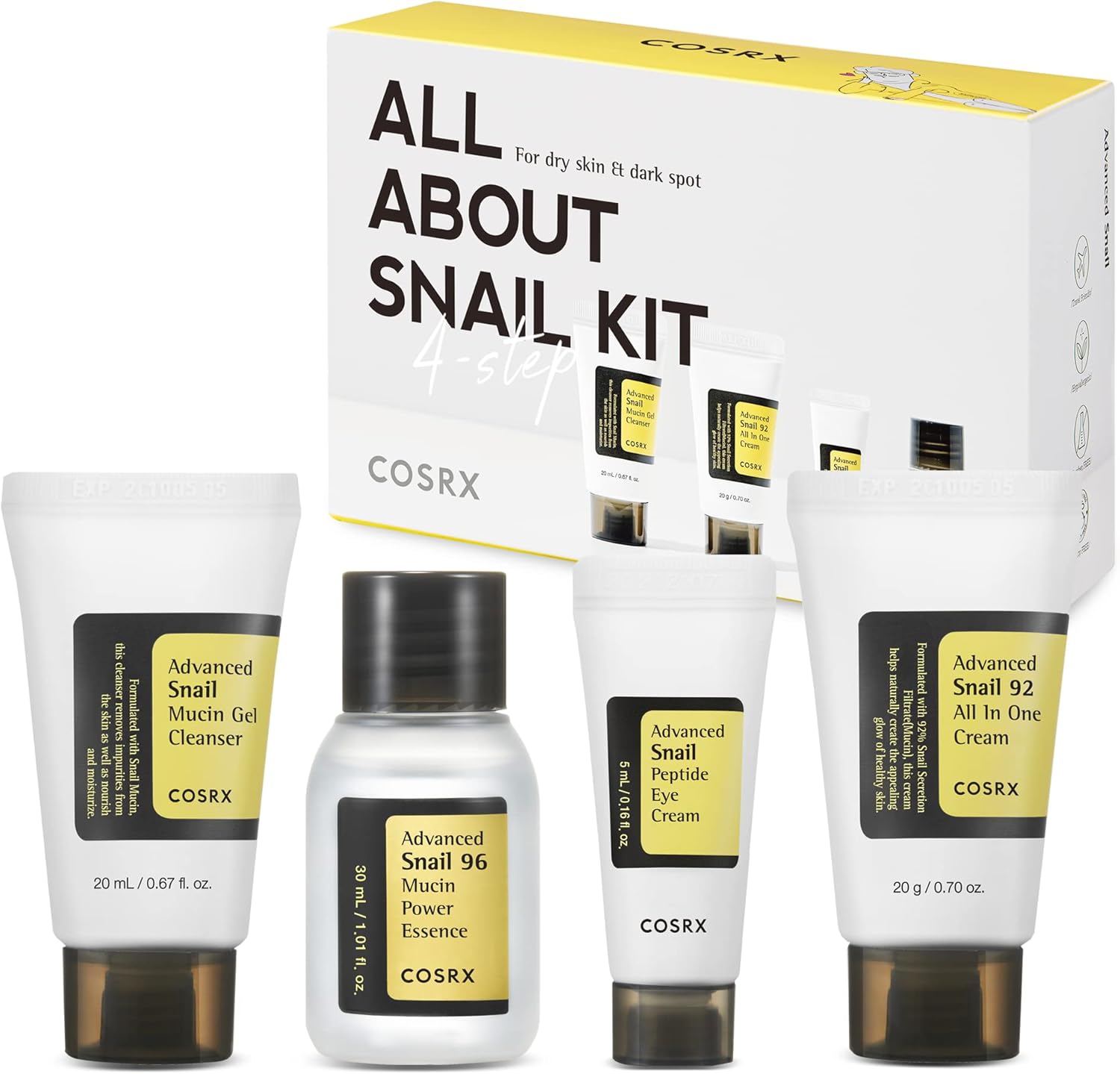
If you’ve ever wandered the beauty aisles in Sydney, Melbourne or online haven shops, you’ll likely spot shelves brimming with cushion compacts, glass-skin serums, jelly masks, and toners that smell like melon or birch sap. Korean skincare—once a niche “K-beauty” trend—is no longer a fad; it has quite literally transformed the Australian skincare landscape. In this article, we’ll explore why Korean skincare is booming in Australia, the key trends shaping its success, and how beauty lovers (like you) can ride this glow wave to better skin. Market Momentum: The Numbers Speak The Australian K-beauty market is projected to grow from USD 104.79 million in 2023 to USD 213.09 million by 2032, with a compound annual growth rate (CAGR) of around 8.19%. Another forecast suggests Australia’s K-beauty sector could hit USD 11,185 million by 2030, growing at ~11.6% CAGR (2023–2030). Australians are among the biggest per capita spenders on Korean beauty products outside Korea itself. The Australian overall skincare market (beyond just Korean) is also rising: valued at USD 3.3 billion in 2024, expected to reach USD 4.7 billion by 2033. These numbers underscore a clear trend: K-beauty is no longer fringe. It’s becoming a core pillar of the Australian skincare ecosystem. Why Korean Skincare Resonates in Australia So what’s fueling this surge? Let’s unpack the major drivers. 1. Innovation & Efficacy + Affordable Price Korean skincare is known for launching novel textures, ingredient combos (snail mucin, bakuchiol, fermented enzymes, centella asiatica), and fun formats (ampoules, sleeping masks, sheet masks). Australians love that many of these advanced formulations come at mid-tier or accessible price points, giving “prestige performance” without exclusive price tags. 2. The Social Media & K-culture Effect K-dramas, K-pop and Korean influencers have fueled the fascination with Korean aesthetics and beauty culture. When your favourite Korean actor has impossibly dewy skin, the effect ripples: beauty consumers in Australia begin chasing that same glow. TikTok, Instagram and YouTube tutorials showcasing “glass skin routines” or 10-step regimens accelerate discovery and adoption. 3. Skin-First & Preventative Philosophy Rather than heavy makeup, the Korean skincare philosophy emphasizes healthy skin — consistent care, hydration, barrier repair, sun protection. Many Aussie consumers increasingly prefer to nurture their skin over masking it. The K-beauty ethos aligns with that. 4. E-commerce & Cross-Border Access Online stores, direct-to-consumer shipping, international beauty marketplaces, and social media shops have made it easier and faster to import K-beauty into Australia. No longer do you have to travel to Seoul or trust obscure resellers. Many K-beauty brands now have local distribution or Australian-friendly websites. 5. Retail Retailers Responding Major Australian beauty retailers like MECCA, Sephora Australia, and niche Asian beauty importers have heavily expanded their K-beauty assortments. Local multi-store chains like W Cosmetics are also capitalising on K-beauty demand — W Cosmetics reportedly has 38 stores in Australia and over AUD $200 million in revenue. The Australian Spotlight: What Products & Trends are Leading the Way When it comes to K-beauty, there’s something irresistibly fun about the ritual. It’s not about perfection — it’s about play. The soft-bubbled cleansers, the glassy toners, the milky emulsions that feel like silk between your fingers — Korean skincare has turned the daily routine into an act of self-worship. Right now, these are the trends stealing bathroom-shelf real estate across Australia: 1. The Era of Dew Forget matte — Australians are chasing the glow. Dewy, bouncy, “I-just-had-a-facial” skin is in. Products like essence toners and lightweight serums have replaced thick creams and heavy oils, helping skin stay hydrated even in the most chaotic climates. The result? A lit-from-within finish that feels equal parts effortless and luxurious. 2. Sleep, But Make It Skincare Overnight masks have become a secret weapon. Pop one on before bed, wake up to skin that looks eight hours more rested than you feel. Think of it as skincare that multitasks while you dream — lazy girl beauty at its finest. 3. The Rise of the “Glass Skin” Routine It’s no longer about layering ten random products. Instead, Australians are embracing curated rituals — three to five steps that focus on glow, barrier health, and hydration. Double cleanse, tone, serum, moisturise, SPF. Simple. Intentional. Effective. 4. Ingredients With Main Character Energy If you haven’t heard of snail mucin by now, where have you been? This ingredient isn't trendy, it's iconic. Calming, brightening, and deeply reparative, it's become a staple for Aussie skin types that battle sun, wind, and unpredictable weather. 5. Minimalism Meets Max Results Ironically, the biggest trend to come out of a culture famous for its 10-step routines is… less. The new wave of Korean skincare is about paring it back — choosing multi-benefit formulas that do more with less. It’s beauty without burnout, and we’re absolutely here for it. Why Australians Fell So Hard for K-Beauty There’s a certain charm to Korean skincare that feels almost cinematic — the glossy packaging, the calm routines, the quiet luxury of investing a few extra minutes in yourself. In a country obsessed with sun, surf, and simplicity, K-beauty struck the perfect balance: indulgent yet uncomplicated, results-driven yet soft around the edges. It’s also deeply human. K-beauty doesn’t promise to erase pores or reverse time — it invites you to care for your skin the way you’d care for someone you love. And that philosophy resonates. Pretty Skin’s Take At Pretty Skin Cosmetics, we’ve always believed in skincare that feels like self-respect — formulas that are fun, effective, and a little bit magical. The rise of Korean skincare in Australia isn’t just proof of its innovation; it’s proof that beauty can be cultural, emotional, and connective all at once. So whether you’re chasing that dewy finish, experimenting with snail mucin, or simply looking for something that makes your skin happy, consider this your invitation to glow a little differently.
Learn more