
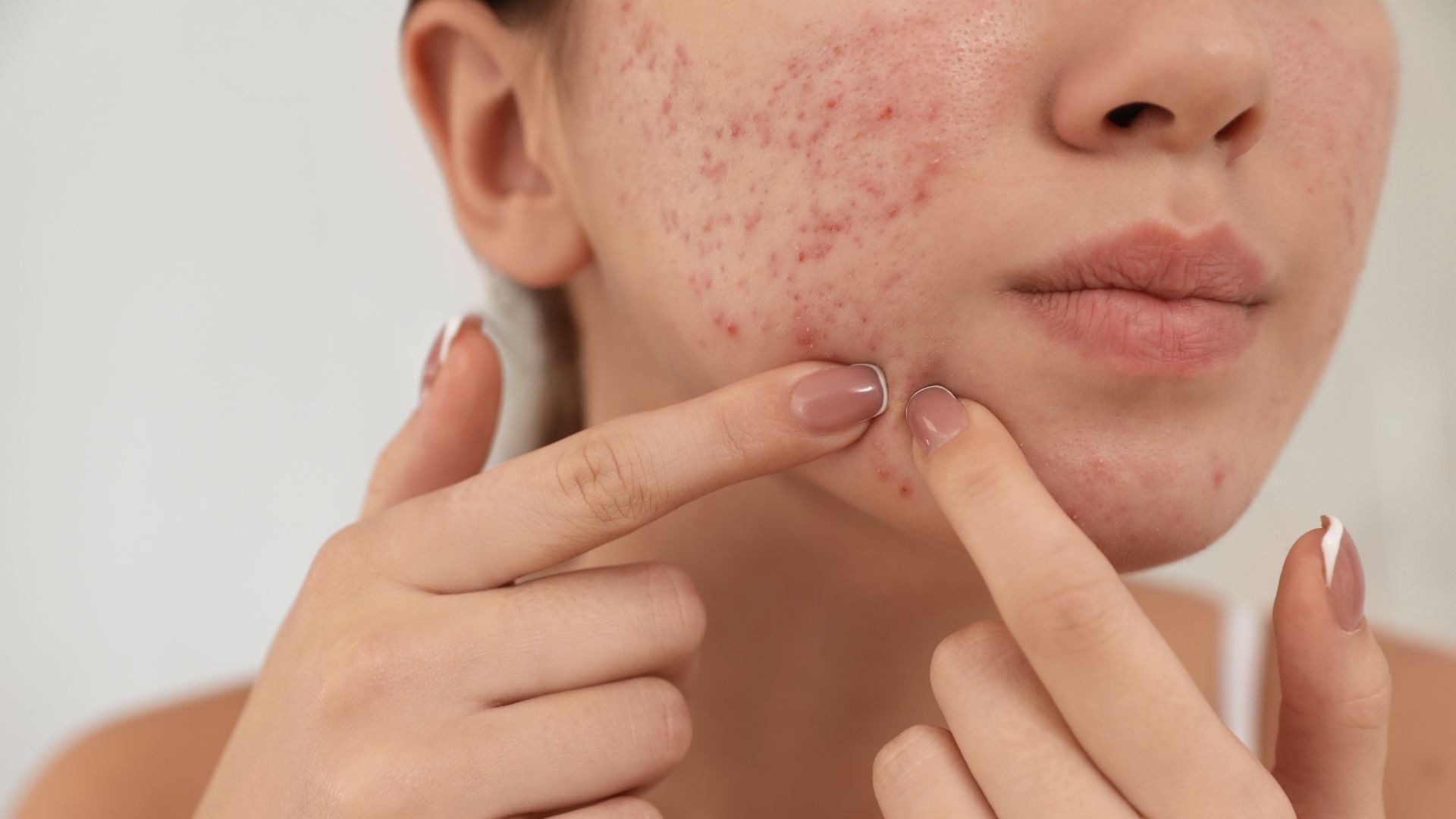
Many people struggle with acne, even when they seem to be doing everything right; they continue to develop breakout after breakout. Most people have a routine they follow; they use a variety of cleansers and products as part of their routine. They typically purchase or try many kinds of acne treatment products, but still wake up to more acne breakouts each morning.
Daily occurrences or habits that can affect someone’s acne include using the wrong products, using incompatible products, and taking additional actions meant to help the skin that instead cause skin irritation. By observing the habits and products misused, one can begin to develop a plan to achieve clearer, calmer skin. It is important to use the right acne care products to spot breakouts and get clear skin.
Are Your Acne Care Products Working Against You?
The misconception that stronger or harsher products will clear acne faster is a big mistake. When you use too many exfoliating agents and combine them with other active ingredients all at once, you may actually aggravate the skin and create more breakouts rather than helping clear them up. Choosing an exfoliating agent or acne medication designed for oily skin when you actually have sensitive skin can lead to greater inflammation and more breakouts.
Additionally, using the wrong type of acne products could damage your skin barrier, resulting in difficulty for your skin to maintain a healthy balance, as well as to fight against bacterial infection. When this barrier becomes damaged, your pores become clogged more easily, there will be greater irritation of the skin, and the likelihood of an unprovoked increase in acne.
Once you have determined what areas require adjustment to improve your habits, you will be able to create a more effective routine for addressing your acne while avoiding developing new skin problems as a result of the routine.
9 Skincare Mistakes That Might Be Triggering Your Breakouts
1. Over-Cleansing or Using Harsh Cleansers
Cleansing is a vital part of maintaining healthy skin; however, if done too frequently or using a product containing ingredients that strip away skin’s natural oils, it can do more harm than good. Cleansing too often will strip away essential protective oils from your skin, which will then cause your sebaceous glands to overproduce oil, creating excess oil (when combined with the irritation caused by harsh surfactants, which will clog your pores and lead to chronic acne.
Using a cleanser formulated specifically to be gentle on your skin will keep your pores clean without disturbing the natural balance of your skin.
2. Skipping Moisturizer Because You Think It Causes Acne
A common misconception is that moisturizers exacerbate acne. In actuality, when skin becomes dehydrated, it will try to compensate for the lack of water by increasing oil production. Using lightweight, non-comedogenic moisturizers can help strengthen and protect the skin barrier while reducing the risk of pore blockages. All types of skin, even those that are oily or vulnerable to developing acne, require ongoing hydration..
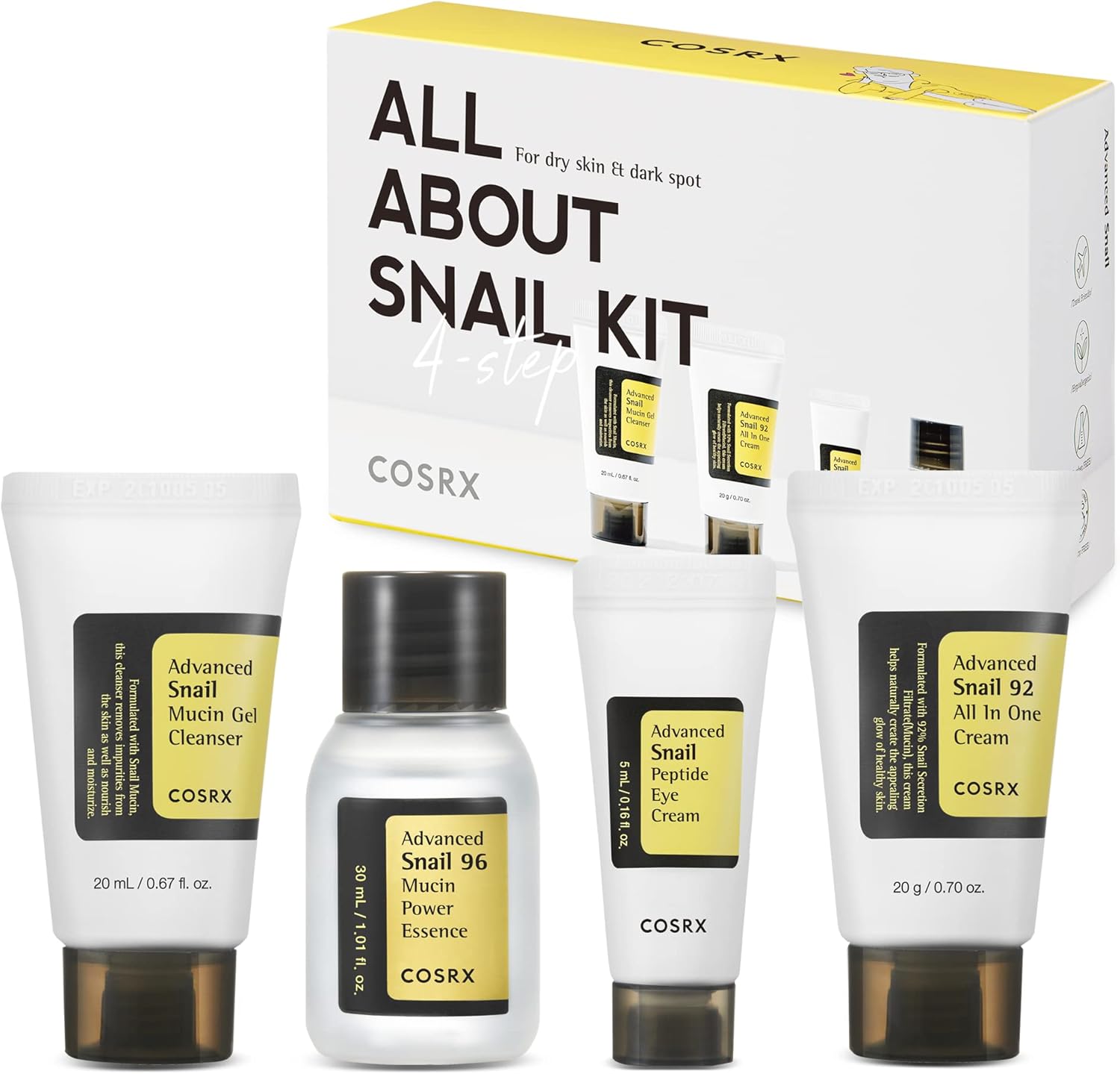
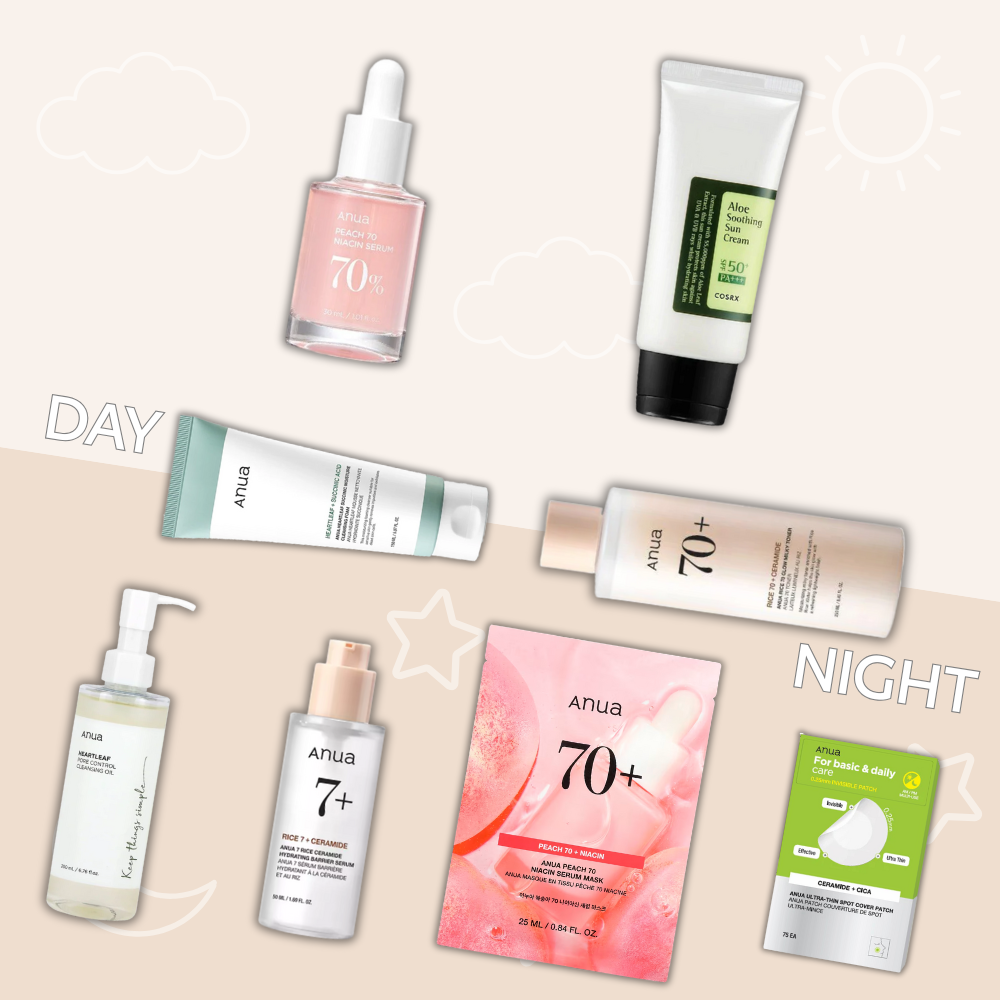
BEST SELLING ACNE CONTROL & TREATMENT PRODUCTS


3. Overusing Physical or Chemical Exfoliants
The process of exfoliation removes the dead skin cells present at the surface of your skin; however, if you overuse this method (too often/), you risk causing issues for your skin such as redness, irritation, and micro-tears. All of these conditions will cause an increase in severity of acne subsequently. When you frequently exfoliate your skin, you will also cause damage to the moisture barrier of your skin, therefore limiting the ability of your skin to recover from its current state of inflammation. For those suffering from acne-prone skin, using exfoliating products once or twice a week is typically best, and even better if you use gentle products that contain fruit enzyme and or 'mild' acids.
4. Not Washing Makeup Brushes and Sponges Regularly
Not cleaning your brush regularly can lead to the development of bacteria, oils, and makeup on your skin; therefore, it is important to regularly clean your brushes. The build-up of these things in the pore may cause the creation of whiteheads & blackheads and inflamed (irritated) areas (e.g., pimples). If a person uses a liquid product, then they need to wash the brush more frequently than once every week.
5. Layering Too Many Active Ingredients at Once
There's no denying that all of these actives have great potential for skin improvement; however, they do not work well together and can instead cause skin to become irritated, weaken its defenses, and increase the likelihood of breakouts. Rather than having a complicated regimen filled with high concentrations of strong actives that can clash, it is far more effective to have a simple, balanced regimen.
6. Ignoring Your Skin Type When Choosing Products
The application of products that do not match your skin type is one of the leading causes of acne. For instance, applying thick cream to oily skin or lightweight gel to dry skin will upset the moisture level in both cases and cause the pores to become clogged. Determining your skin type (i.e., whether you have oily, dry, sensitive, or combination skin) helps you select products that will support your complexion and not create further problems.
7. Sleeping Without Properly Removing Sunscreen and Makeup
Sunscreen is non-negotiable, but many formulas are long-wearing and require thorough cleansing to remove. Sleeping with residue on your skin allows it to settle into pores, mix with oil, and create an acne-friendly environment. Double-cleansing, especially using a gentle oil or balm first, is the best way to ensure your skin is completely clean.
8. Touching Your Face Throughout the Day
Your hands come in contact with countless surfaces, picking up bacteria, oils, and irritants. Touching your face, even casually, transfers these impurities directly onto your pores. This habit also spreads existing acne-causing bacteria, leading to new breakouts and worsening existing ones.
9. Skipping Recovery Products After Using Acne Treatments
Acne treatments tend to be drying, and when the skin is not replenished afterward, it becomes more vulnerable to irritation, redness, and new breakouts. Reinforcing the moisture barrier with hydrating toners, lightweight moisturizers, and calming ingredients is essential. A well-hydrated barrier helps your acne treatments work better without harming the skin.
How to Adjust Your Routine for Clearer Skin
Once you've identified factors that contribute to the development of acne, reevaluate your cleansing practices and take time to create an effective regimen for maintaining healthy skin. Start by incorporating gentle methods of maintaining balance between hydration levels within the body and providing protection from environmental factors. Incorporate cleaning agents that effectively cleanse away dirt and oil, and nourish the barrier with soothing properties. Look for ingredients such as centella asiatica, allantoin, hyaluronic acid, and botanical extracts; all are beneficial for helping the skin heal from acne-related damage.
Being consistent is far more important than how much effort you put into your routine. Properly performing gentle daily rituals will ultimately lead to achieving clearer, calmer skin over time..
Strengthening Your Barrier Helps Reduce Acne Long-Term
The health of your skin barrier has a major influence on the skin's ability to fight bacterial infections, modulate oil production, and heal after inflammation. Including skin barrier defense ingredients like ceramides and hydrating toners into your skin care products can have a dramatic effect on keeping those factors in check.
Incorporating a pH balancing toner in your daily skin care routine helps return the skin's natural acidity to its proper level, allowing the skin to keep harmful bacteria under control and retaining the proper level of moisture. A toner also prepares the skin for the use of other skin care products (serums and moisturizers), allowing them to function as they are supposed to and greatly reducing the chance of new acne breakouts occurring.
Conclusion
Acne doesn’t always come from one major problem, often, it stems from small daily mistakes that go unnoticed. By cleansing gently, moisturizing properly, choosing the right products, and protecting your barrier, you can significantly reduce breakouts and maintain clearer, healthier skin. When your routine is balanced and barrier-friendly, acne becomes easier to manage, and your complexion becomes more resilient with time.