

Type: Bundles
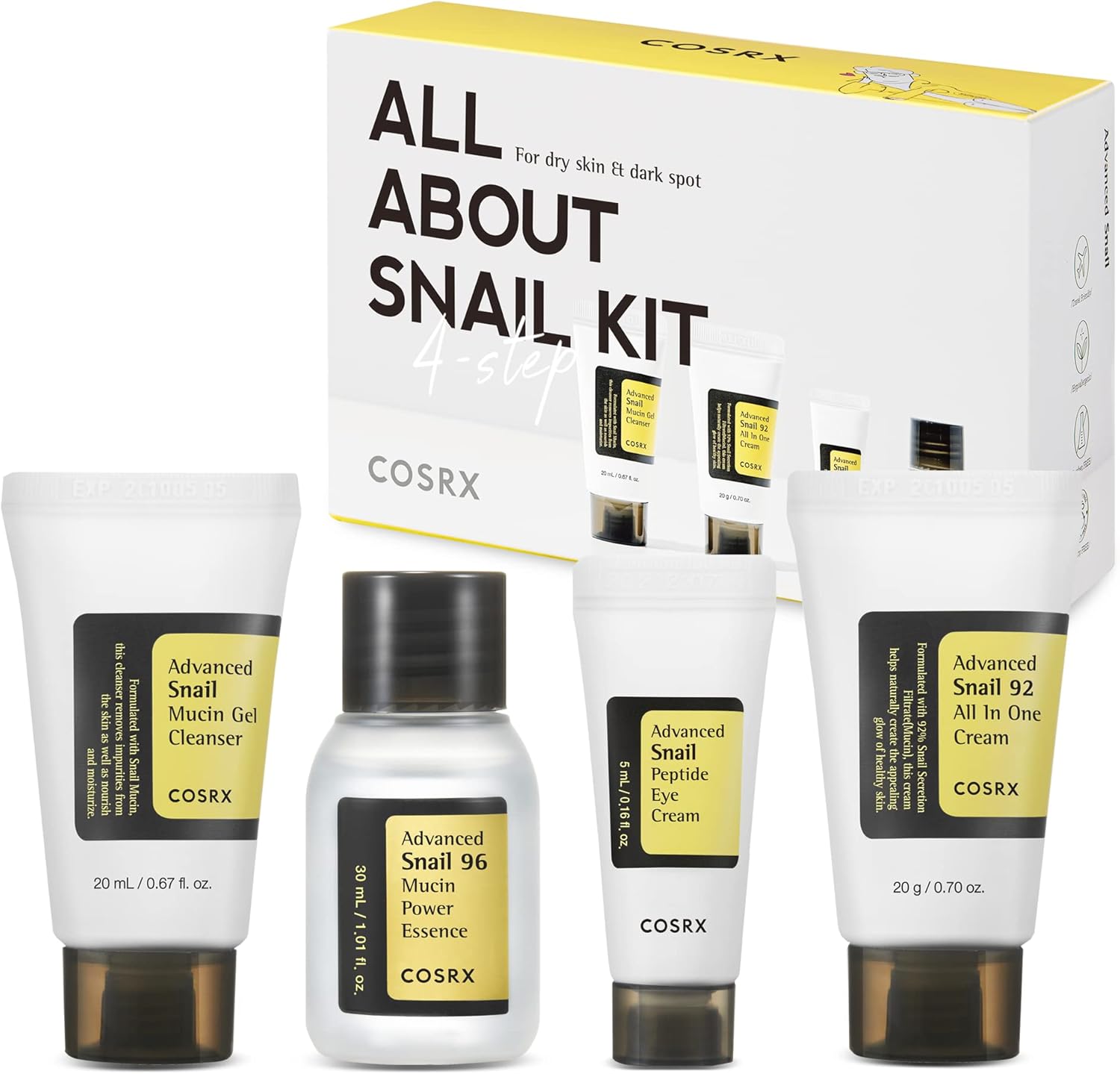
Acne-Prone (Day & Night Bundle)


Type: Bundles
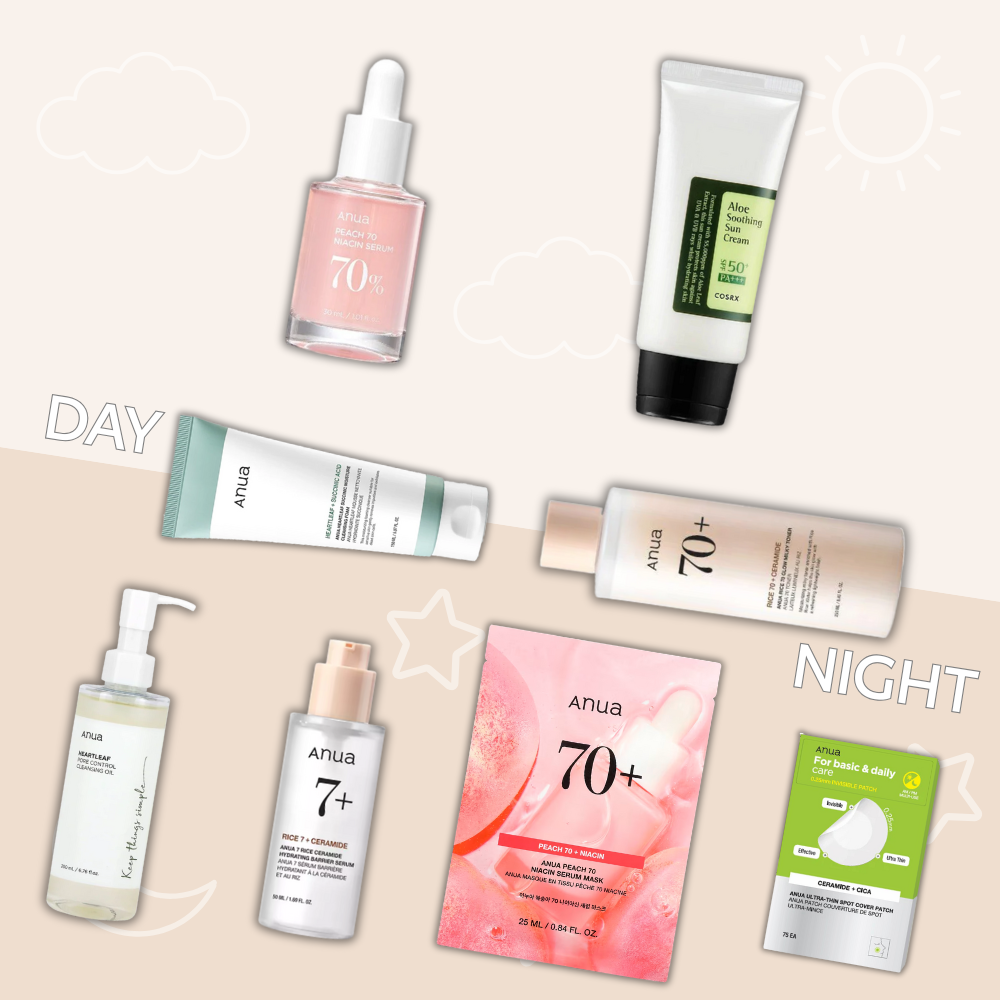
Anti-Ageing (Day & Night Bundle)



Type: Bundles
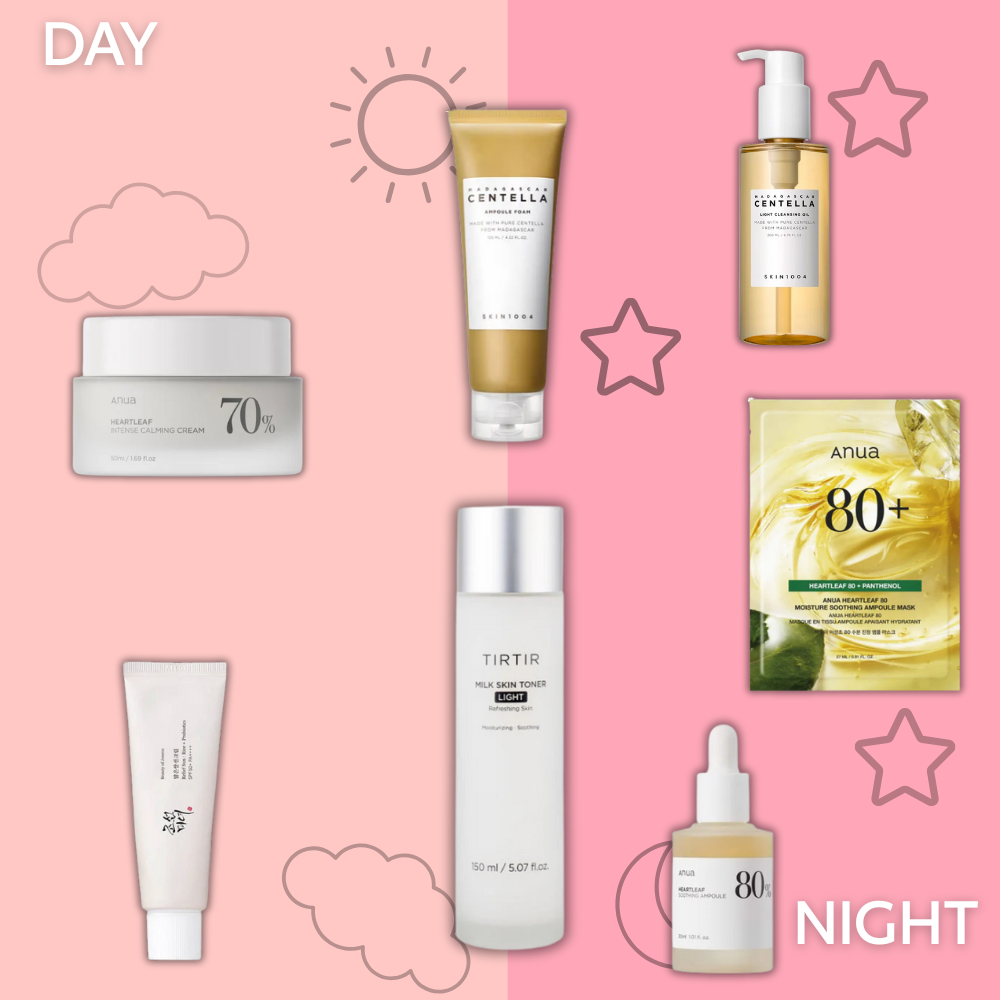
Mattifying and Pore Minimizing (Day & Night Bundle)


Type: Bundles
Radiance (Day & Night Bundle)


Type: Bundles
Skin Hydrating (Day & Night Bundle)


Recently viewed products
Our Journals

How to Fix a Damaged Skin Barrier (And the Actives to Avoid)
How to Fix a Damaged Skin Barrier (And the Actives to Avoid) Your skin barrier is your body's first line of defence against environmental aggressors, pollution, and moisture loss. When this protective barrier becomes compromised, it can lead to irritation, dryness, sensitivity, and a host of other skin concerns. Understanding how to repair and maintain your skin barrier is crucial for achieving healthy, resilient skin. What Is Your Skin Barrier? The skin barrier, also known as the stratum corneum, is the outermost layer of your skin. Think of it as a brick wall where the "bricks" are dead skin cells (corneocytes) and the "mortar" is made up of lipids, including ceramides, cholesterol, and fatty acids. This structure works together to: Lock in moisture Keep irritants and bacteria out Regulate skin pH Maintain skin elasticity and smoothness Signs Your Skin Barrier Is Damaged Recognising the symptoms of a compromised skin barrier is the first step toward healing: Physical Signs Persistent dryness and flakiness Increased sensitivity to products you previously tolerated Redness and inflammation Rough, uneven texture Increased breakouts Stinging or burning sensations Loss of skin elasticity Functional Signs Products that used to work no longer provide benefits Makeup doesn't apply smoothly Skin feels tight throughout the day Increased reaction to weather changes Common Causes of Skin Barrier Damage Understanding what damages your skin barrier helps prevent future issues: Over-Exfoliation Using too many exfoliating products or using them too frequently strips away the protective lipid layer. Harsh Cleansers Cleansers with high pH levels or sulfates can disrupt the skin's natural acid mantle. Environmental Factors Extreme weather conditions Air conditioning and heating Pollution and UV exposure Low humidity environments Lifestyle Factors Chronic stress Poor sleep quality Inadequate nutrition Smoking and excessive alcohol consumption Medical Conditions Eczema and dermatitis Rosacea Psoriasis The Actives to Avoid When Your Barrier Is Compromised When your skin barrier is damaged, certain ingredients can worsen the condition: Strong Exfoliating Acids Alpha Hydroxy Acids (AHAs) like glycolic acid and lactic acid Beta Hydroxy Acids (BHAs) such as salicylic acid Poly Hydroxy Acids (PHAs) in high concentrations Retinoids and Retinol While beneficial for many skin concerns, retinoids can be too harsh for compromised barriers and should be temporarily discontinued. High-Concentration Vitamin C Particularly L-ascorbic acid in concentrations above 10% can cause irritation when the barrier is weakened. Benzoyl Peroxide This acne-fighting ingredient can be overly drying and irritating for damaged skin. Essential Oils and Fragrances These can trigger inflammatory responses in sensitive, barrier-compromised skin. Alcohol-Based Toners Products containing denatured alcohol can further strip the skin of its natural oils. How to Repair Your Damaged Skin Barrier 1. Simplify Your Routine Strip your skincare routine down to the basics: Gentle, low-pH cleanser Hydrating toner or essence Barrier-repairing serum or treatment Moisturizer Broad-spectrum SPF (morning only) 2. Focus on Barrier-Supporting Ingredients Ceramides These lipids are naturally found in the skin barrier and help restore the protective layer. Look for products containing: Ceramide NP Ceramide AP Ceramide EOP Niacinamide Also known as Vitamin B3, niacinamide helps: Strengthen the skin barrier Reduce inflammation Regulate oil production Improve skin texture Hyaluronic Acid This powerful humectant can hold up to 1,000 times its weight in water, providing intense hydration without irritation. Peptides These amino acid chains help stimulate collagen production and support skin repair. Pretty Skin Cosmetics' Top picks for Repairing the skin barrier Toner Tir Tir Milk Toner light Skin1004 Centella Toning Toner Serum Anua Heartleaf Soothing Purito Seoul Wonder Releaf Centella Skin1004 Madagascar Centella Ampoule Moisturiser Dr. Reju-All Advanced LC Ceramide Barrier Cream Anua Heartleaf 70% Intense Calming Cream Dr. Althea Barrier Repair Cream
Learn more
Why Is a Skin-Balancing Lotion a Staple in Every Korean Woman's Routine?
Open a Korean woman's skincare shelf and you will almost always find one product sitting between the cleanser and the serum that Western routines skip entirely. It might be called a lotion, a softener, a first essence, or a prep step. Whatever the label, its function is the same: it sets the skin's condition before anything else is applied. That step is what many people are missing. What a Skin-Balancing Lotion Actually Is In Western skincare, a lotion usually means a moisturiser. In Korean skincare, the word lotion refers to a lightweight fluid - thinner than a serum in many cases - that is applied early in the routine to hydrate, balance pH, and prepare the skin's surface for absorption. A skin-balancing lotion specifically targets the skin's equilibrium. After cleansing, even with a gentle low-pH cleanser, the skin's pH shifts slightly. Active sebum, dead cells, and surface bacteria need to be brought back into a stable state. That is what this product category does. It is a reset step. The pH Logic Behind the Product Healthy skin sits at a pH of roughly 4.5 to 5.5. This acidity supports the acid mantle - the protective film on the skin's surface that keeps bacteria, irritants, and moisture loss in check. Cleansing disrupts this balance temporarily. Applying serums and actives to skin that has not yet rebalanced means those products are working in a slightly compromised environment. A good skin-balancing lotion brings the pH back to an optimal level within minutes. This is not just theoretical - products applied to properly pH-balanced skin absorb more efficiently and cause fewer reactions. The skin-balancing lotion is essentially making everything else work better. BEST SELLING TONER/LOTIONS Why Korean Routines Prioritise This Step Korean skincare culture is built on the concept of skin health as daily maintenance. The goal is not to fix problems with a single powerful product but to keep conditions consistently good so problems rarely form. A balancing step supports this philosophy because it prevents the micro-disruptions that accumulate into visible skin issues over time. Korean dermatologists frequently note that skin sensitivity and reactivity are often traced back to compromised surface conditions rather than ingredient sensitivities. By keeping the surface balanced consistently, the skin stays in a state where it can tolerate, absorb, and benefit from other products. Key Ingredients in Effective Lotions Witch hazel or green tea extract - natural astringents that tighten pores and calm oiliness without drying Niacinamide - regulates sebum production and reinforces the barrier while evening out tone Centella asiatica - anti-inflammatory support that calms reactive skin after cleansing Glycerin and hyaluronic acid - lightweight humectants to restore surface hydration immediately Fermented extracts - improve absorption of subsequent layers and support microbiome balance Who Benefits Most From This Product People with combination skin - oily in the T-zone but dry on the cheeks - get one of the clearest benefits. An effective lotion helps reduce oil in congested areas without pulling moisture from drier zones. It is one of the few skincare steps that genuinely addresses both issues in one application. Those with sensitive or reactive skin also benefit significantly. The stabilising effect on pH and surface condition means their more active products - acids, retinol, brightening serums - are introduced to skin that is calm and prepared rather than slightly stressed from cleansing. How to Use It Correctly in a Routine Timing and Application Apply after cleansing and before any serums or essences. The skin should still be slightly damp from rinsing. Pat the lotion gently onto the face rather than wiping or swiping - this minimises friction on freshly cleaned skin and encourages even absorption. Wait 30 to 60 seconds before applying the next layer. Morning vs Evening Use Morning use focuses on preparation - getting the skin ready to absorb SPF and any antioxidant serums effectively. Evening use focuses on recovery - resetting the skin after daily exposure to pollution, UV, and stress before applying repair-focused products like retinol or ceramides. Both serve different but equally valid purposes. Popular Korean Approaches to Skin Balancing Some Korean routines use a toner and a lotion as two separate early steps. The toner removes the last traces of impurities and adds the first layer of hydration. The balancing lotion follows to anchor the skin's condition before serums. Others combine both functions in a single balancing toner-lotion hybrid. The 7-skin method - a well-known Korean technique of patting a lightweight toner or lotion onto the skin in seven thin layers - grew out of this balancing philosophy. The idea is that each thin layer absorbs fully before the next is added, building deep hydration gradually rather than in one heavy application. What Happens When You Skip This Step Skin that goes from cleanser directly to serum without a balancing step often shows patchy absorption. Some areas take up the serum well, others do not. Active ingredients can cause irritation on spots where the pH is still off. Over time, this inconsistency contributes to uneven results and skin that seems unpredictable. You should invest in good products available at Pretty Skin Cosmetics and start taking care of your skin now. Skipping the balance step also means the serums that follow need to do extra work compensating for surface inconsistencies. Products last shorter, results are less reliable, and the routine feels less effective than the ingredient quality should deliver. FAQ Q1: Is a balancing skin lotion the same as a toner? Ans: Not exactly. Toners vary widely in function - some are astringent, some are purely hydrating. A skin-balancing lotion is more specific in purpose: it targets pH correction and skin condition stability. Some toners perform this function, but not all toners are balancing lotions. Q2: Can I use a balancing lotion if I have dry skin? Ans: Yes. Many balancing lotions are formulated with hydrating humectants that suit dry skin well. The key is to choose one without alcohol or strong astringents. Look for centella, glycerin, or fermented ingredient-based formulas if your skin tends toward dryness. Q3: How is a Korean skin-balancing lotion different from a Western face lotion? Ans: A Western face lotion is a moisturiser - it is the final step in a routine. A Korean skin-balancing lotion is a preparatory step applied early in the routine. The consistency is much thinner and the function is completely different - it is about creating optimal surface conditions, not about sealing in moisture.
Learn more
How Brightening Essences and Serums Can Transform Dull Skin in Weeks
Dull skin is one of the most common complaints people bring to skincare conversations. It is not the same as dry skin or oily skin. Dullness is a specific problem where the surface of your skin stops reflecting light the way healthy skin does. It looks flat, grey, or uneven, and it tends to make everything else about your complexion look worse. The good news is that dullness is one of the more responsive skin concerns when you target it correctly. Brightening essences and serums are designed specifically for this, and with the right formulas and consistent use, the change can be visible within a matter of weeks. Why Skin Becomes Dull in the First Place Skin becomes dull for several interconnected reasons. Dead skin cells accumulate on the surface faster than they are naturally shed, creating an uneven texture that scatters light. Dehydration reduces the skin's volume and plumpness, making the surface appear flat. Melanin clusters from old sun damage or post-acne marks create uneven patches that break up the skin's natural clarity. Pollution, stress, poor sleep, and an inconsistent routine all accelerate this process. The result is skin that looks tired even when you are not. What Brightening Essences Do An essence sits between a toner and a serum in a skincare routine. It is lighter than a serum but more concentrated than a standard toner. Brightening essences deliver a first layer of active ingredients directly after cleansing, when the skin is at its most receptive. For dull skin, the most effective essences contain galactomyces ferment filtrate, niacinamide, or rice bran extract. These ingredients improve cell turnover, even out pigmentation, and add a layer of hydration that makes the skin look more awake and reflective. Glowing skin products at this stage of the routine create the base that everything applied afterwards builds on. BEST BRIGHTENING ESSENCES What Brightening Serums Do Serums are more concentrated than essences and target concerns at a deeper level. A brightening serum applied after an essence works on the specific mechanisms driving your dullness, whether that is pigmentation, slow cell turnover, or dehydration at a deeper layer. The most effective brightening serums combine multiple actives that complement each other. Vitamin C provides antioxidant protection and inhibits melanin production. Niacinamide interrupts the transfer of pigment to the skin's surface. Alpha-arbutin targets dark spots without the irritation that stronger acids can cause. How Essences and Serums Work Together Using an essence and a serum together is not doubling up unnecessarily. They work at different speeds and depths. The essence provides rapid, surface-level brightening and hydration that you can feel immediately. The serum drives longer-term change by working deeper into the skin tissue. Together, they create a compounding effect. The essence prepares and hydrates the skin so the serum can penetrate more effectively. The serum delivers the actives that produce visible change over weeks. This is why the combination consistently outperforms using either one alone. Building a Brightening Routine That Works Step 1 - Start With the Right Cleanser Brightening starts with clean skin. A low-pH gel cleanser removes dead cell buildup and pollution without stripping the moisture that your subsequent products need to work with. Avoid high-foaming cleansers that leave skin feeling tight. Step 2 - Layer Your Essence Apply your brightening essence to slightly damp skin immediately after cleansing. Press it gently into the skin with your hands rather than rubbing it in. This application technique improves absorption and triggers a warming response that helps the skin accept the active ingredients. Step 3 - Apply Your Brightening Serum Wait 30 to 60 seconds after your essence before applying your serum. Use three to four drops and warm them between your fingers before pressing them into the skin. Focus on areas with uneven tone, dark marks, or visible dullness. Step 4 - Lock in With Hydrating Skincare Hydrating skincare at this stage is essential. Brightening actives like vitamin C and niacinamide work best in a well-hydrated environment. A moisturiser with ceramides and hyaluronic acid seals in the previous layers and keeps the skin barrier intact so the actives can do their work without causing sensitivity. Step 5 - SPF Every Morning Without Exception Every brightening ingredient in your routine is working to reduce pigmentation. UV exposure reverses that work in real time. SPF 30 at minimum, applied as the final morning step, is not optional when you are using a brightening routine. It is what makes the routine actually work. Results You Can Expect Week by Week Week 1 - skin feels more hydrated and looks less flat Week 2 - surface texture begins to smooth as cell turnover improves Week 3 to 4 - overall radiance visibly increases, skin looks more awake Week 5 to 6 - dark marks and uneven patches begin to fade noticeably Week 8 and beyond - skin tone is significantly more even and reflective Which Skin Types Respond Best Dull skin responds to brightening routines across all skin types, but the formula choices should match your skin's characteristics. Oily skin does best with lightweight Hydrating essence and vitamin C serums that do not add heaviness. Dry skin benefits from essences with added humectants and richer serums with hyaluronic acid built in. Sensitive skin responds well to galactomyces-based formulas and niacinamide rather than higher concentrations of vitamin C. What Slows Results Down Inconsistent application - skipping days resets the progress the formula is building No SPF in the morning - UV exposure drives new pigmentation faster than serums can fade it Using too many activities at once - adding multiple new products simultaneously causes irritation that stalls progress Expecting overnight results - brightening is a gradual process that requires at least four weeks of daily use FAQ Q: Can I use a brightening essence and serum if I have acne-prone skin? Ans: Yes. Look for formulas with niacinamide as the primary brightening active. It is anti-inflammatory, helps regulate sebum, and fades post-acne marks without triggering breakouts. Q: Is vitamin C safe to use every day? Ans: Yes, when the concentration is appropriate for your skin type. Start with ten percent concentration and build up gradually. Use it in the morning and pair it with SPF, since UV exposure degrades vitamin C rapidly. Q: Why does my skin still look dull after using brightening products for weeks? Ans: The most common reason is SPF skipping, which allows new pigmentation to form faster than the serum can fade existing marks. The second most common reason is dehydration. Brightening actives work poorly on skin that lacks sufficient moisture. Add a hydrating essence or toner to your routine and ensure your moisturiser contains ceramides.
Learn more