
Serums are lightweight formulas for skin care. They contain active ingredients in high concentration. They are made to target specific skin concerns: dullness, ageing, dryness, or uneven texture. Serums feel light on the skin. They absorb quickly. They reach deeper layers compared to heavier creams. This makes them an important part of modern skincare routines.
Serums come in small packages but deliver mighty benefits. A few drops often go a long way to cover the whole face. In this view, serums are cost-effective and efficient. They blend well with other products. They also suit various skin types. Most people can get a serum that meets their needs.
Why Serums Stand Out
Serums stand out because they have quicker results compared to many basic skincare products. Their formulation is designed to have a high concentration of active ingredients that work on cell repair and hydration. This is why serums show visible improvements sooner.
Serums are also versatile: You can choose one for brightness, one for smoothness, one for firmness. You can even choose formulas that support sensitive skin. All this flexibility makes them suitable for different lifestyles.
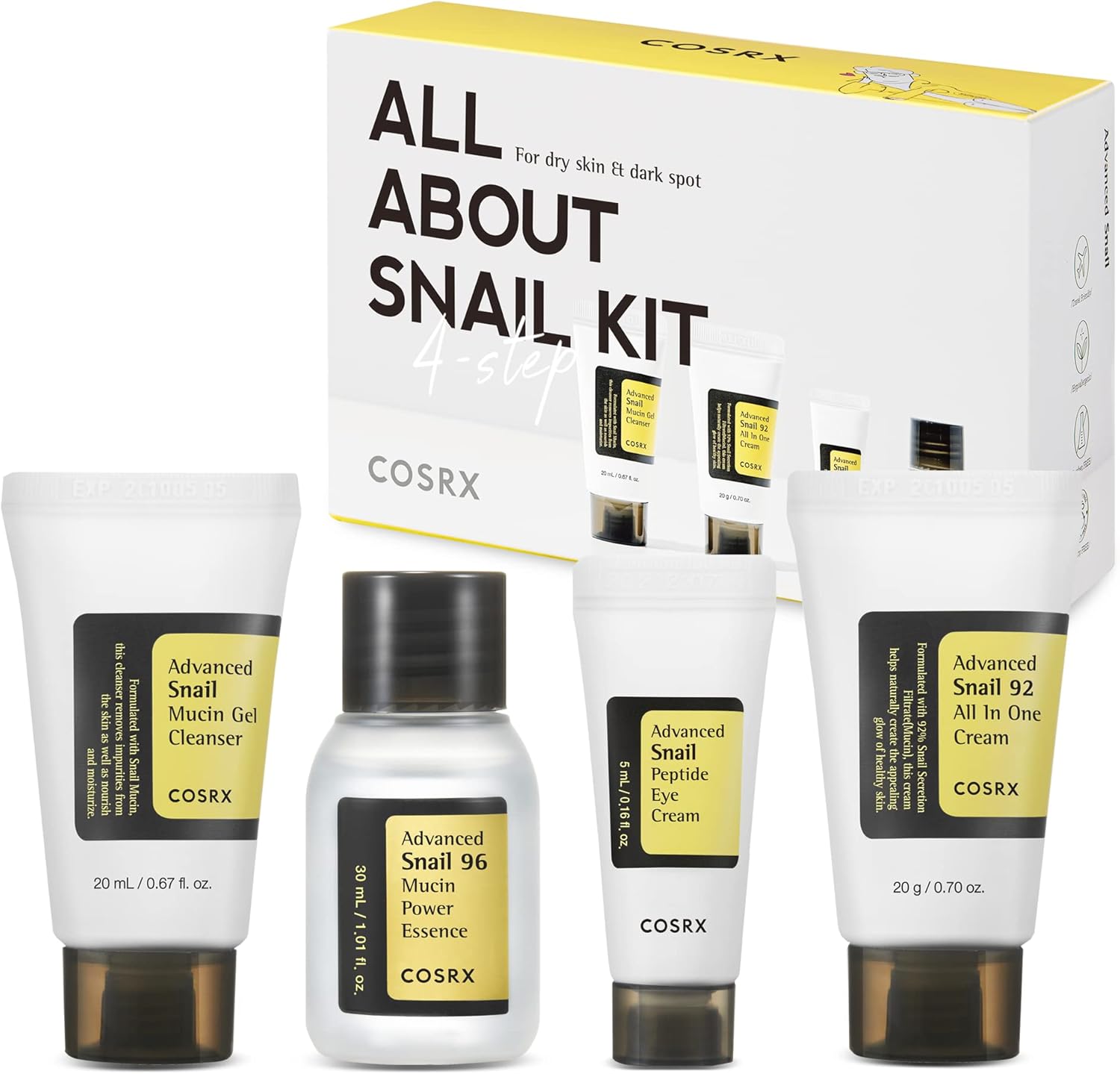
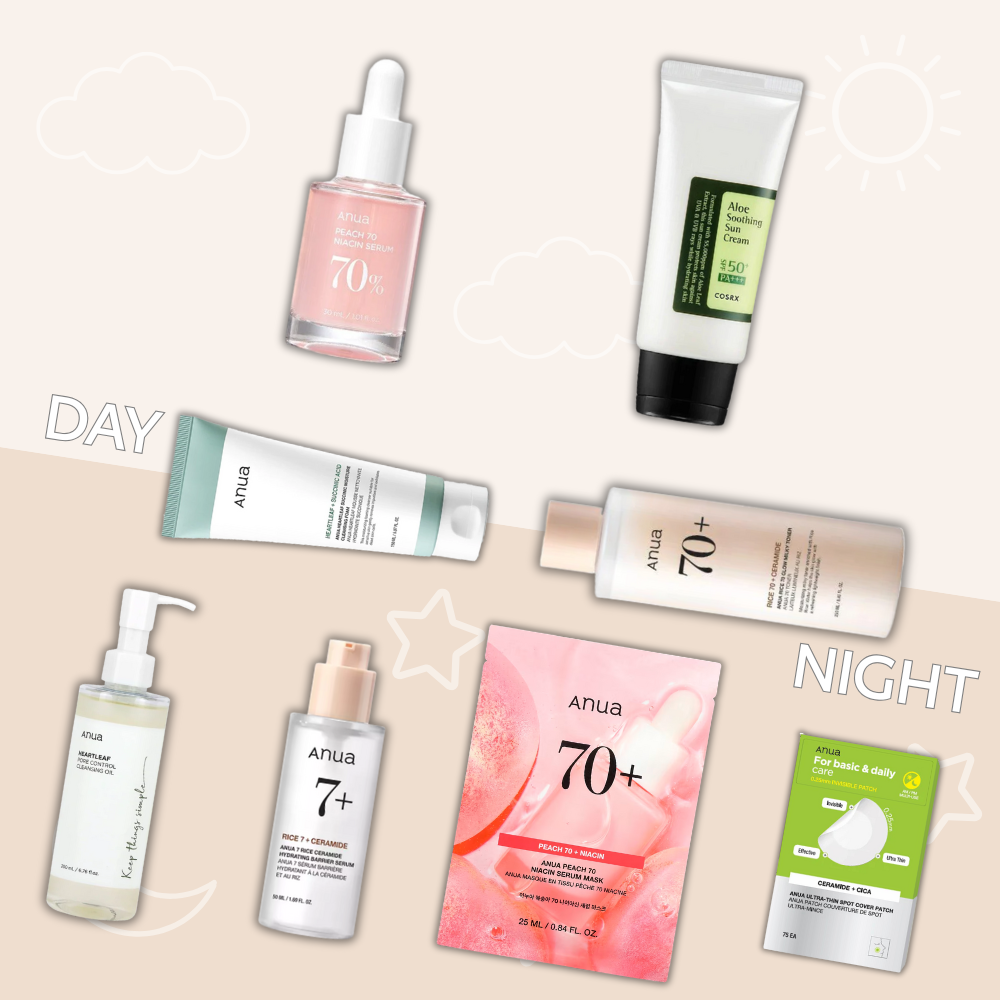
BEST SELLING ESSENCES/SERUM


Different Types of Serums
There are quite a few types of serums, each of which works for some particular concern. The main ones are:
-
Hydration Serums
Hydration serums focus on moisture. Hyaluronic acid is one of the most common ingredients used. It helps the skin hold water. This keeps skin plump and soft. Hydration serums work great for dry skin. They also work well with oily skin by evening out the levels of water. -
Anti-Ageing Serums
These contain ingredients such as peptides and retinol. These help in the reduction of the lines. They improve firmness. They support smoother skin over time. Anti-ageing serums work best when applied consistently. -
Serums With Brightening Properties
A brightening serum aims to smooth the skin tone. It lessens dullness. It fades marks. It gives a fresh look. Most people with uneven tones tend to go for this type. -
Relaxing Serums
Calming serums are for sensitive or irritated skin. They usually contain such ingredients as centella or chamomile. These serums reduce redness and support skin recovery. -
Pore Refining Serums
These are made for people who want a smooth texture. They help absorb the excess oil. They help to unblock pores. They can provide a more even look.
When to Apply Serums
Serums work best after cleansing and before moisturiser. The skin absorbs the active ingredients much better when it is clean. Seal the benefits with a moisturiser afterwards.
The best time of application also depends on the type of serum. Hydration serums work well both in the morning and at night. Anti-ageing or retinol serums usually go on at night. Brightening formulas can be used during the day if paired with sunscreen.
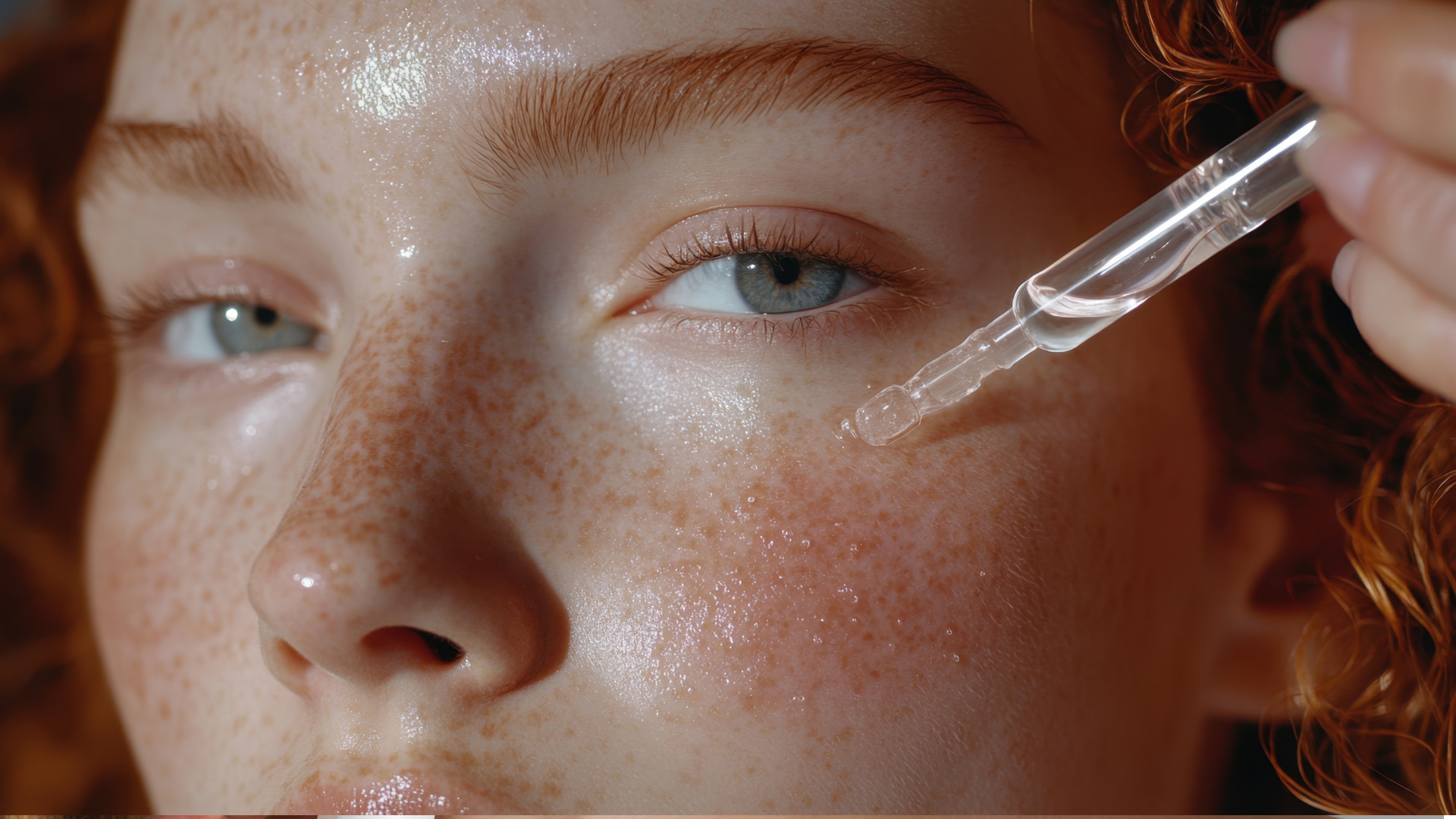
Apply only a few drops, spread them gently, let the serum sit for a moment, and then proceed with other steps in your routine.
How Serums Work with Other Products
Serums work well in a layered routine. They blend with cleansers, toners, moisturizers, and sunscreen. Many are also combining serums with face oils for that extra nourishment.
A typical Korean toner often acts as a hydration boost right before serum. It preps the skin. It opens up a fresh surface for better absorption. This technique has become a favorite in multi-step skin-care routines.
If using more than one, always apply the lightest serum first. Heavier formulas follow later. Always seal with moisturiser to lock everything in.
Choosing a Serum Based on Skin Type
The skin type has to be considered in choosing a serum.
-
For Dry Skin
Choose moisturising formulas: They add water and retain moisture. Look for hyaluronic acid or glycerin. -
For Oily Skin
Water-based serums are best. A light texture works well. Niacinamide-based serums can be used to regulate oil. -
For Sensitive Skin
Opt for calming serums. Avoid strong actives. Instead, use gentle formulations that comfort irritations. -
For Combination Skin
Go for multi-tasking serums. Look for formulas that give hydration but remain light. -
For Mature Skin
Anti-ageing serums help with firmness. Ideal ingredients would include peptides.
Why Serums are So Important in Modern Routines
People now want skincare that works fast. They want to see results. They want deeper nourishment. Serums offer all of this.
They blend in with daily skincare products. They enhance routines. They put power into simple steps that help maintain long-term skin health.
Serums have become very important for several individuals. They suit busy schedules since they take only a few seconds to apply. Yet, they make a big difference in the skin.
Common Mistakes to Avoid
- Some people apply too much serum, irritating the skin. Only apply as much as is needed.
- Some mix too many actives. That can cause redness. It is better to keep things simple.
- Another mistake is skipping sunscreen. Many active serums increase sun sensitivity. Sunscreen during the day is always a must.
- Also, avoid applying serums on dirty skin; always cleanse first for better absorption.
When Will You See Results
Results depend on the type of serum and skin concern, though. Hydrating results come fast; in a short time, skin can look much plumper. Skin brightening may take some weeks to show. Anti-aging serum takes longer because skin renewal is very slow.
Consistency is key. Use the serum daily. Follow instructions. Supportive products go well with this. This helps your skin improve over time.
The Future of Serums
Serums will continue to remain essential. Skincare research is increasing. New ingredients are cropping up. People want cleaner formulations. They want gentle ways. They want noticeable effects. Serums do just that.
Modern routines are effortless. They depend on intelligent products. Serums blend in with that approach. They are small, yet mighty. They fit into every lifestyle, which means they are here to stay as the future core step in skincare.
Frequently Asked Questions
Q1: What is a serum mainly used for?
A1: A serum is formulated to address particular skin concerns and acts promptly by delivering active ingredients deep into the skin.
Q2: Can I use more than one serum?
A2: Yes. Use them in layers from lightest to heaviest. Avoid mixing strong actives without guidance.
Q3: At what age should I start using serums?
A3: People can start as early as their early twenties. It all depends on skin needs and concerns.
Q4: Can serums cause irritation?
A4: Some strong formulas irritate sensitive skin. It's a good idea to do a patch test before using the formula regularly.